Inside Xiaomi’s Pilot Platform: What Drives the SU7’s Autonomous Capabilities
For buyers and tech enthusiasts looking at the Xiaomi SU7, the vehicle’s autonomous driving system, known as Xiaomi Pilot, stands as one of the most scrutinized components of the brand’s EV strategy. Unlike many competitors that rely on third-party integration, Xiaomi has leaned into an in-house development model that links vehicle perception directly with the broader HyperOS ecosystem.
Understanding how this system functions requires looking past the marketing and at the physical hardware installed on the vehicle. The current iteration of the system relies on a tiered hardware architecture designed to handle varying levels of assisted driving, from standard highway pilot features to more advanced parking maneuvers.
Core Hardware Architecture
The foundation of the Xiaomi Pilot platform is built on high-performance computing and a robust sensor suite. The vehicles are equipped with either one or two NVIDIA DRIVE Orin system-on-a-chip (SoC) processors, providing the necessary compute power to process real-time data from the vehicle’s external environment.
The sensor array typically includes:
- LiDAR: A primary roof-mounted unit provides high-precision distance mapping, essential for navigation in complex urban environments.
- High-Definition Cameras: A series of wide-angle and telephoto cameras provide 360-degree coverage for lane centering and object detection.
- Ultrasonic Sensors: Primarily used for low-speed parking assistance and proximity warnings.
- Millimeter-Wave Radar: Utilized for adaptive cruise control, allowing the vehicle to maintain spacing in diverse weather conditions where optical sensors might struggle.
Software and Processing Capabilities
What differentiates Xiaomi’s approach is the BEV+Transformer+Occupancy Network architecture. This software stack is designed to create a dynamic 3D model of the vehicle’s surroundings. By using the Occupancy Network, the system can identify non-standard obstacles—objects that may not be pre-programmed in a traditional database—by detecting the space they occupy on the road.
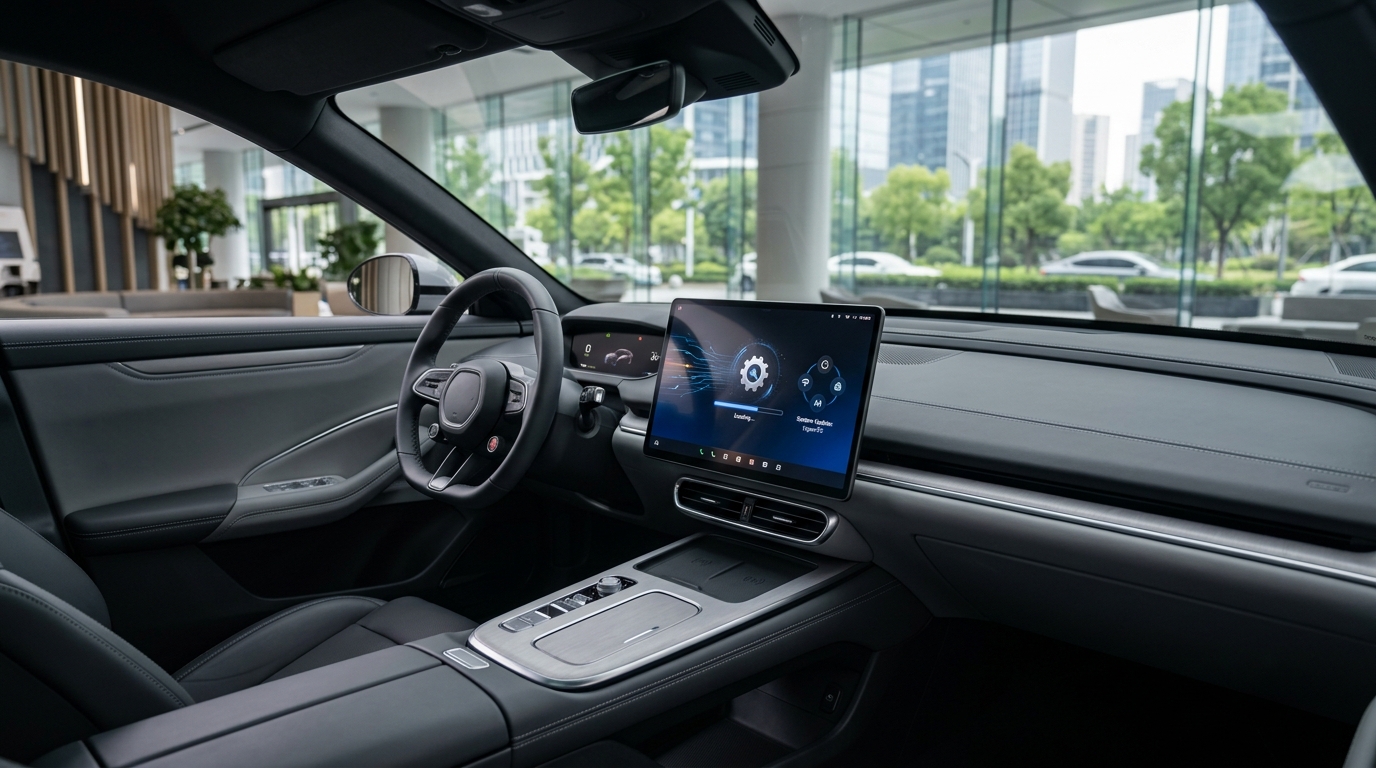
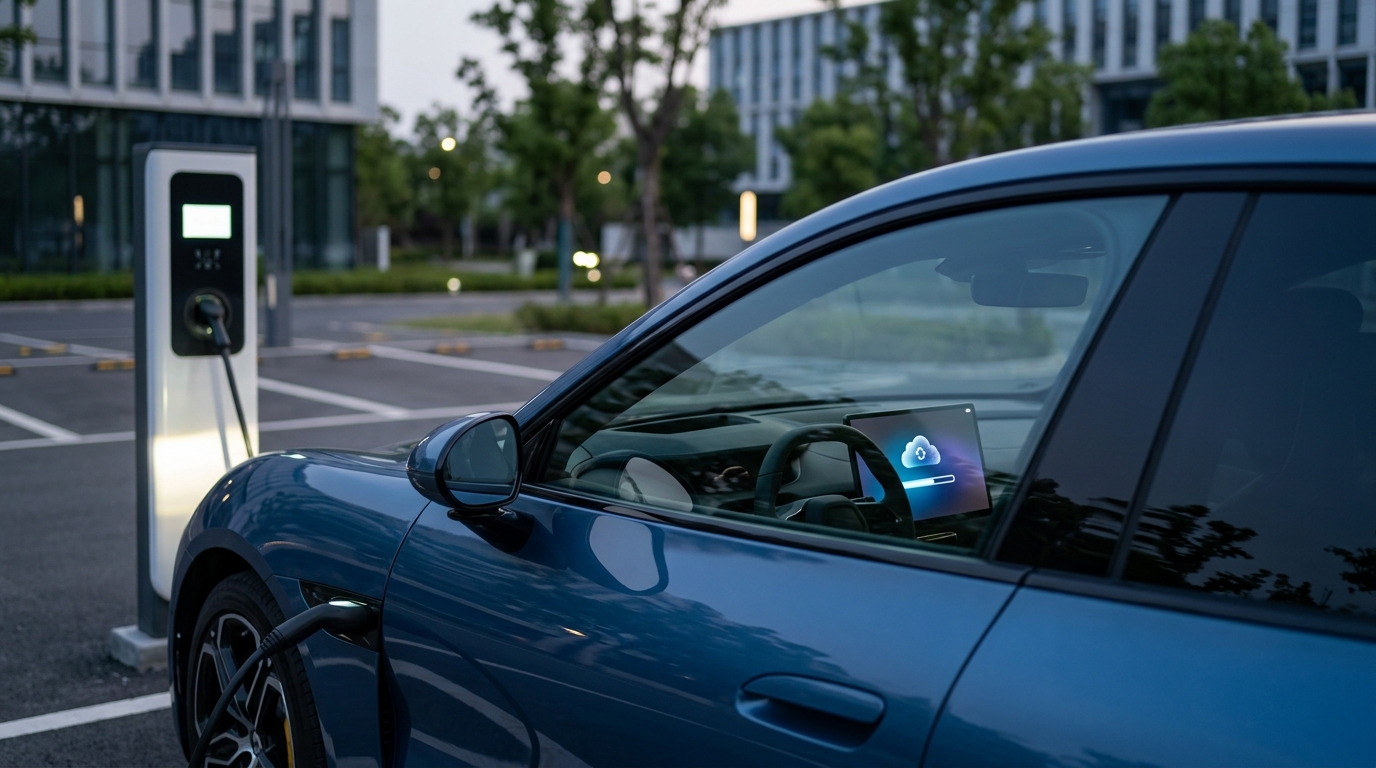
This integration is managed through the HyperOS environment, which allows for over-the-air (OTA) updates. Owners should expect iterative improvements to features like Navigate on Autopilot (NOA), which handles highway entrance and exit maneuvers, as well as automated parking, which can be engaged through the in-car infotainment display or the mobile app.
Real-World Application and Limitations
While the marketing emphasizes autonomous convenience, the current reality remains focused on Advanced Driver Assistance Systems (ADAS). The driver is always required to remain attentive and prepared to take control, regardless of the system’s active status. Variations in local traffic laws, weather conditions, and road markings mean that the system’s performance is not uniform across all regions.
Ownership and Maintenance Considerations
Because the system relies heavily on sensitive hardware like LiDAR, maintenance costs and repair procedures differ from traditional vehicles. Owners should be aware of the following:
| Feature Category | Consideration |
|---|---|
| Software Updates | OTA updates are frequent; stable Wi-Fi connection is recommended. |
| Sensor Care | Keeping the LiDAR and camera lenses clear of debris is vital for performance. |
| Data Privacy | Users can manage data sharing preferences within the vehicle settings menu. |
Editorial Disclaimer
This article is provided for educational and informational purposes only. Details can change over time, so readers should verify important information with official sources, qualified professionals, manufacturers, publishers, or relevant authorities before making decisions.