Xiaomi Adjusts EV Price Strategy as Production Efficiency Gains Momentum
As Xiaomi Auto continues to ramp up production and delivery volumes, the company is refining its EV pricing strategy to maintain a competitive edge while solidifying its position in the premium electric vehicle segment. Rather than engaging in aggressive price wars that prioritize volume over margins, the brand is leveraging its manufacturing efficiency and integrated software ecosystem to justify its current market positioning.
For prospective buyers and market observers, the recent stabilization of pricing signals a shift from the initial high-demand launch phase to a more sustainable long-term model. This strategy aims to balance the costs of advanced hardware—such as standard LiDAR suites and high-performance battery technology—against the need for a stable ownership experience.
Market Positioning and Premium Focus
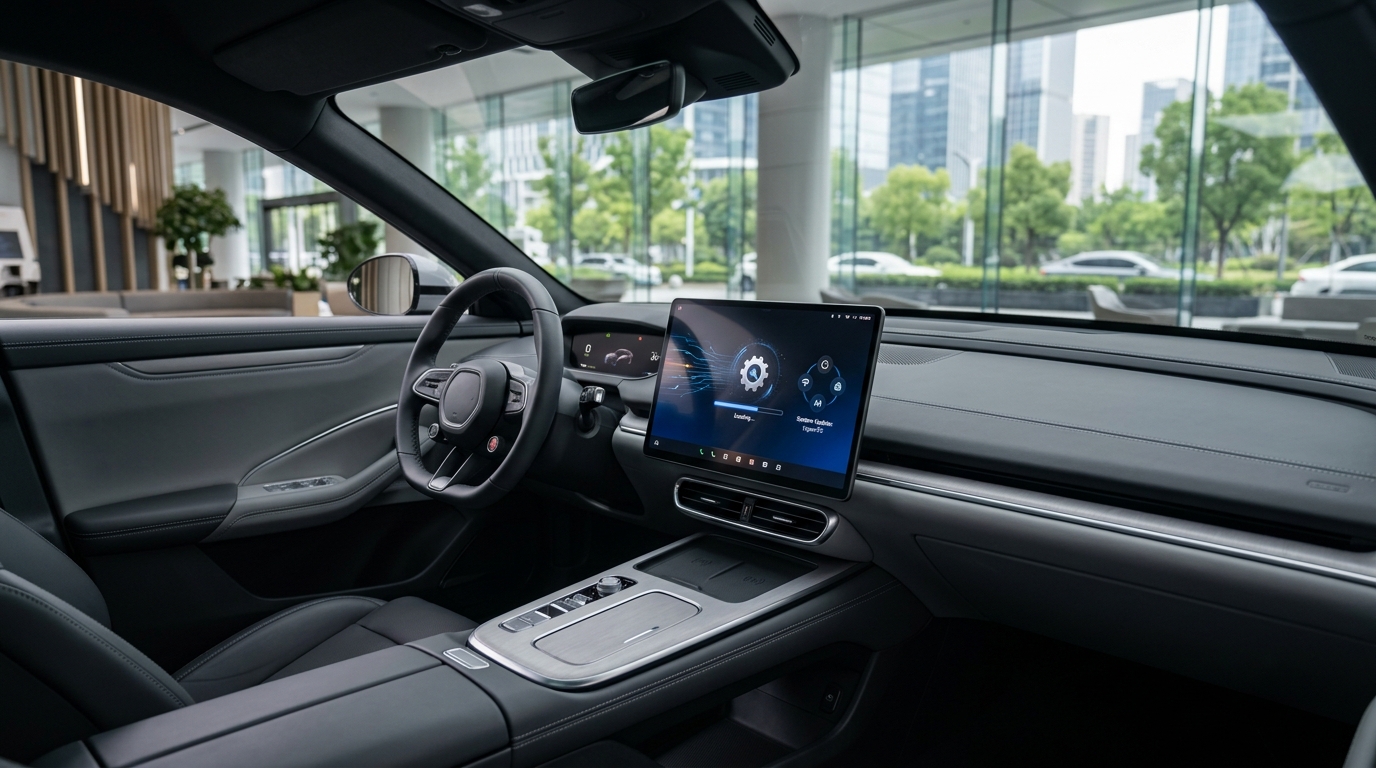
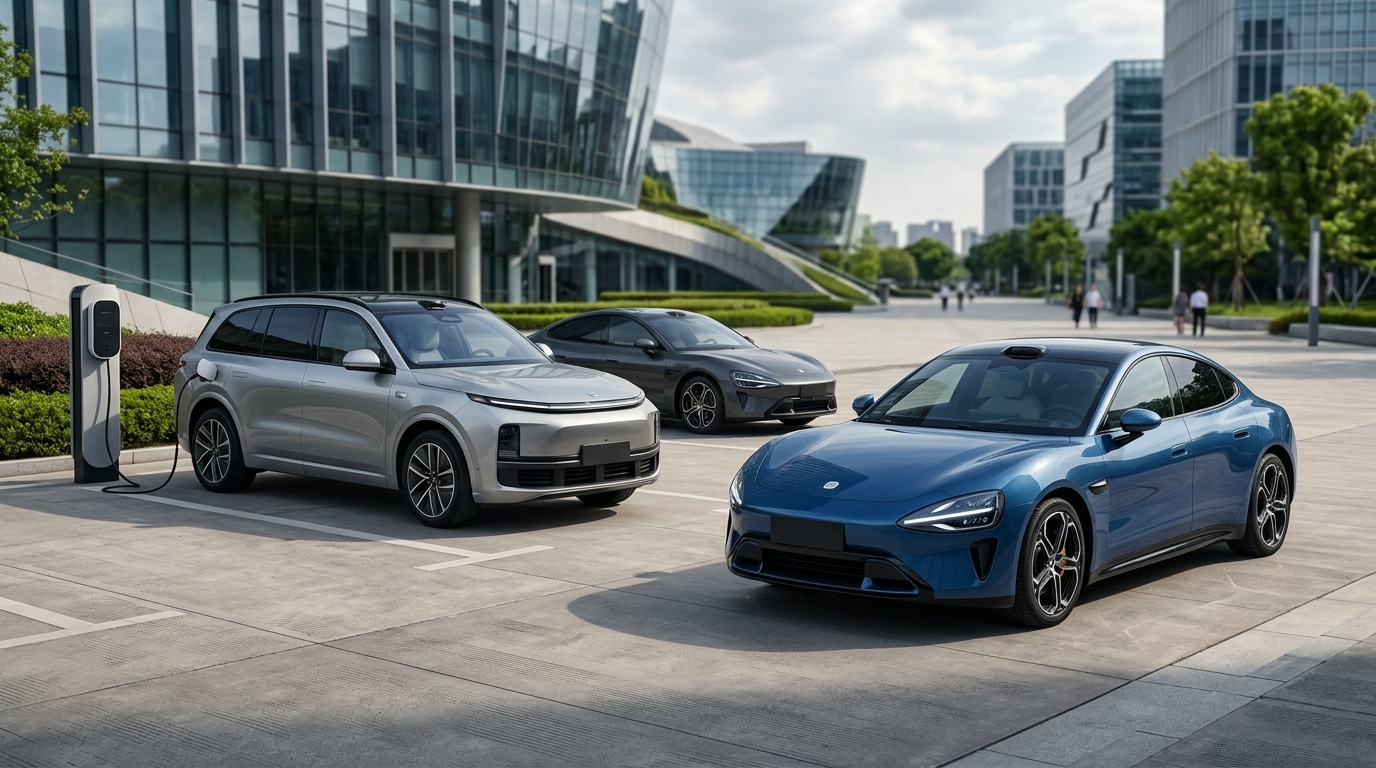
Xiaomi has maintained a firm stance against producing ultra-low-cost electric vehicles, choosing instead to focus on the premium sedan and SUV markets. By positioning its vehicles, such as the SU7 and the emerging YU7, against established rivals, the company is betting on the value of its HyperOS integration and autonomous driving capabilities to attract tech-savvy consumers.
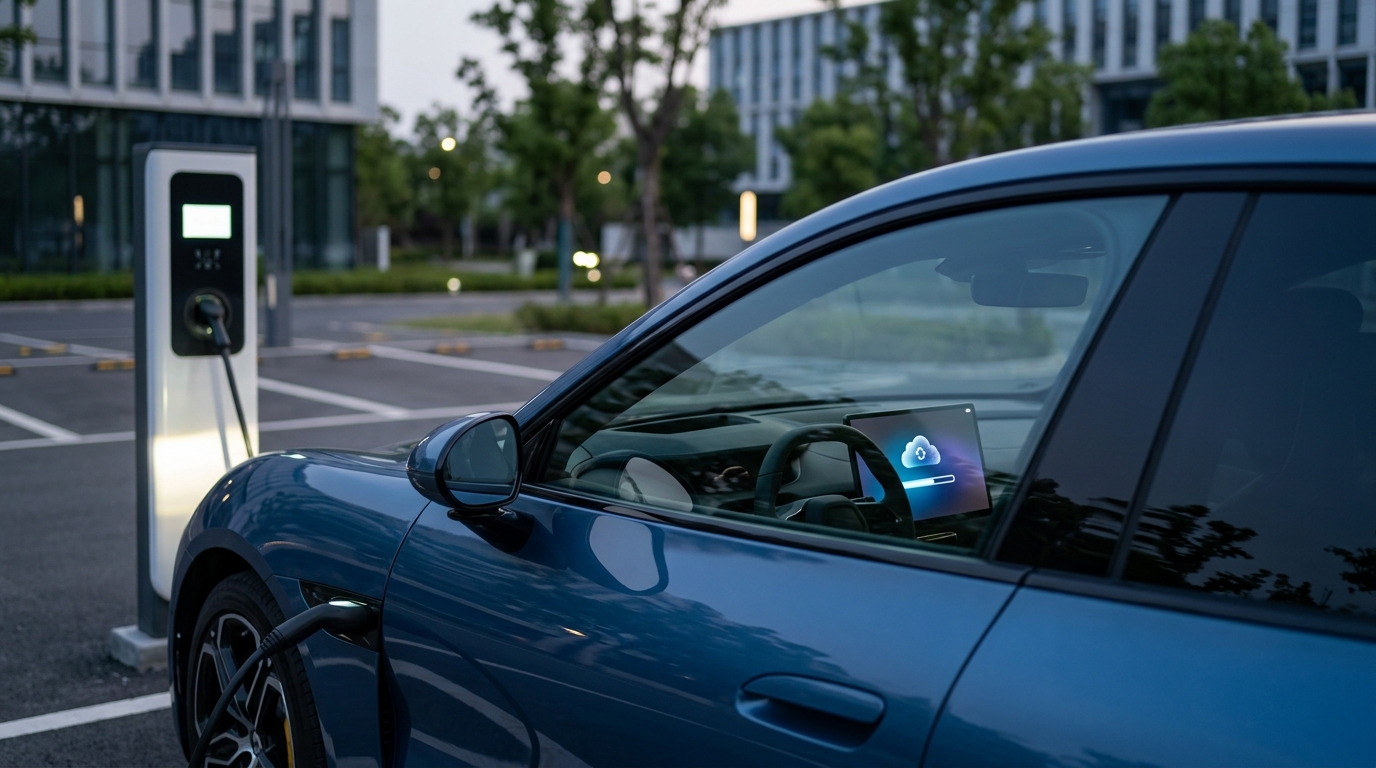
The current pricing reflects a commitment to hardware-heavy trims. By including sophisticated driver-assistance sensors and high-voltage charging architecture as standard features across the updated lineup, Xiaomi effectively eliminates the “hidden cost” of base-model limitations that often plague competitors in the segment.
Production Scaling as a Cost Lever
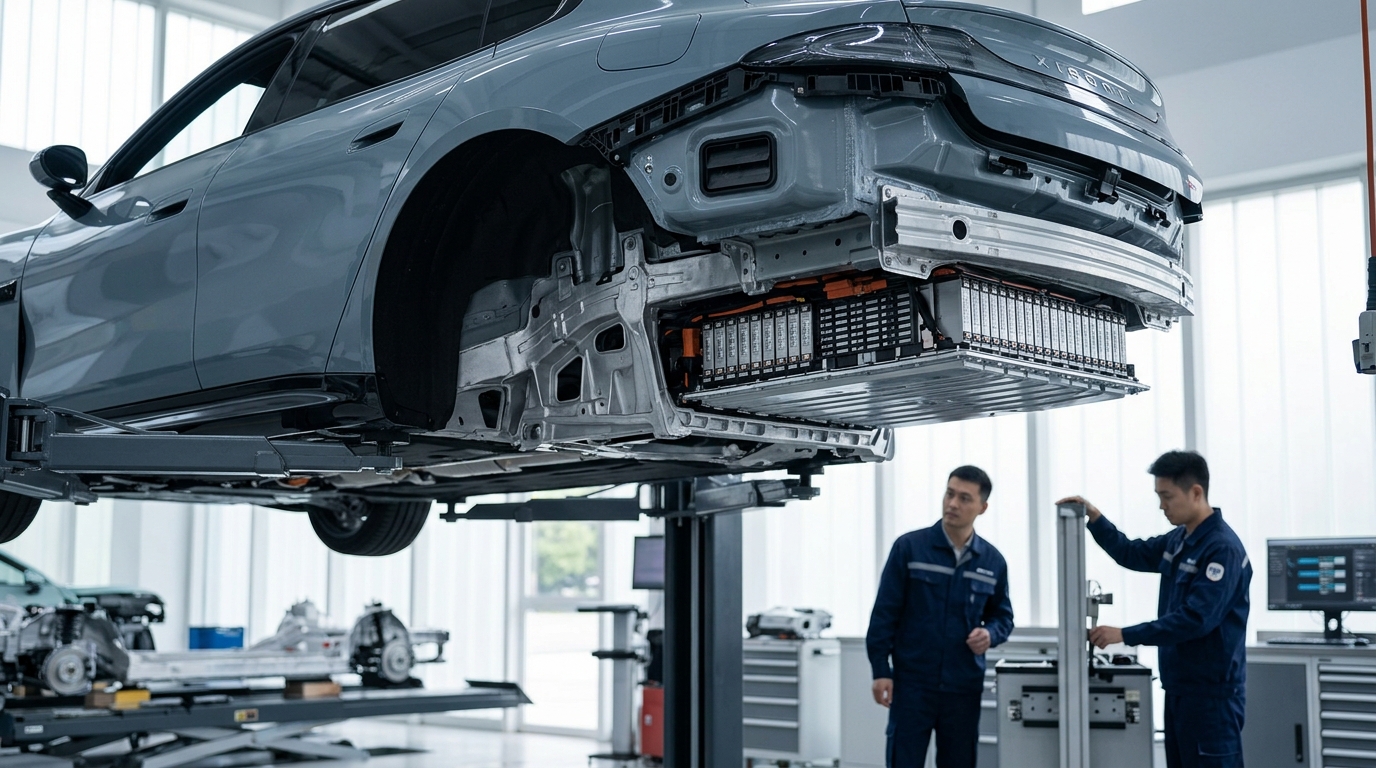
Efficiency gains within the Xiaomi factory are beginning to influence how the company approaches dealer-facing prices and consumer incentives. As production volume reaches steady-state targets, the overhead per unit decreases, allowing the company to offer more competitive financing packages without sacrificing the perceived value of its flagship products.
This approach stands in contrast to competitors that rely on frequent, reactive price cuts to drive short-term sales. Instead, Xiaomi appears to be banking on a more predictable pricing ladder, which protects the resale value for early owners and provides clarity for long-term fleet or private buyers.
What This Means for Prospective Buyers
For those monitoring the market, the current price stability is a noteworthy development. It indicates that the company is confident in its current demand levels. Prospective owners should look for value in the total package rather than waiting for significant MSRP shifts, as the brand’s focus remains on feature-rich trims rather than stripped-down, lower-priced entry levels.
If you are evaluating a move into the Xiaomi ecosystem, comparing the standard feature sets against similarly priced premium EVs from Tesla or legacy manufacturers remains the most effective way to determine the genuine value of their pricing structure.
Editorial Disclaimer
This article is provided for educational and informational purposes only. Details can change over time, so readers should verify important information with official sources, qualified professionals, manufacturers, publishers, or relevant authorities before making decisions.