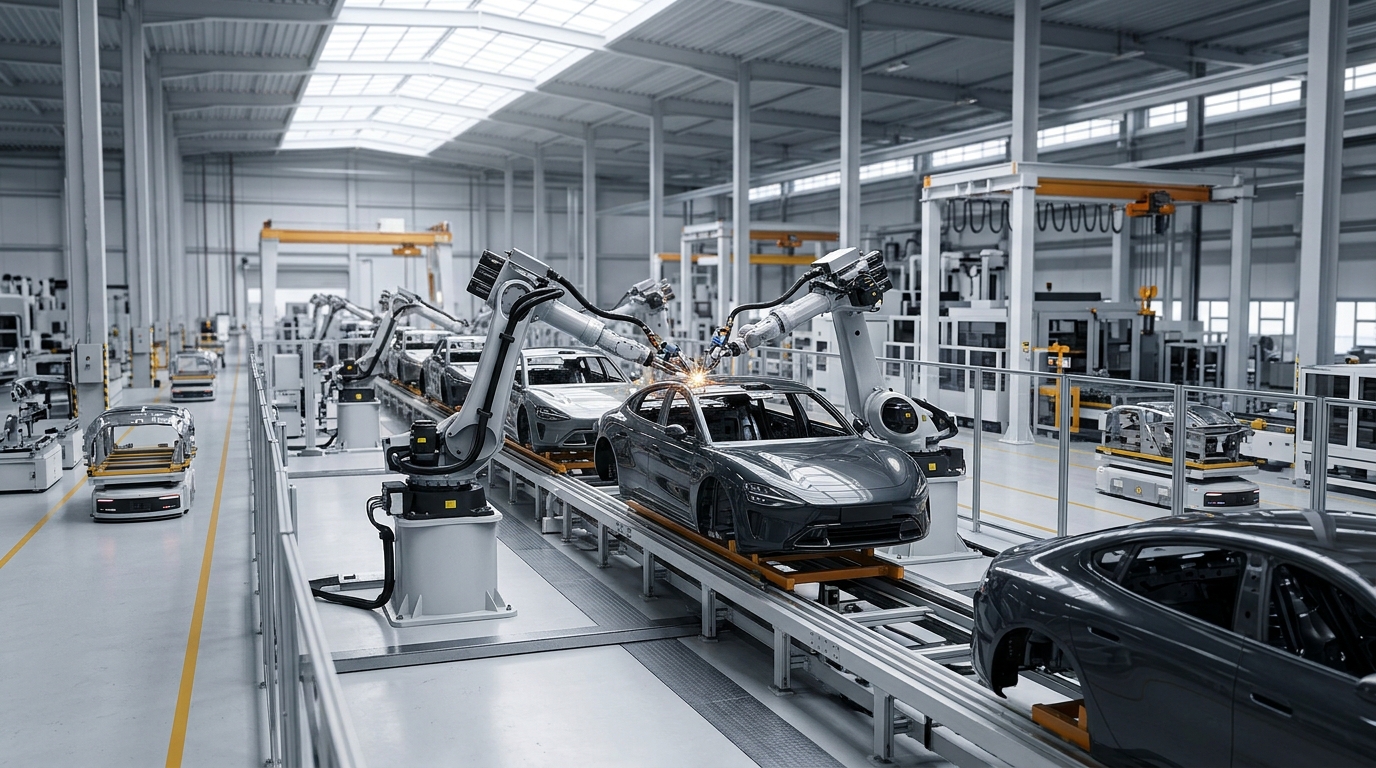
Xiaomi Adjusts Production Pacing as EV Factory Output Hits New Milestones
Xiaomi has entered a critical phase of its automotive journey, focusing on production scaling and factory efficiency to address the sustained, high-volume interest in its electric vehicle lineup. Following the initial market surge for the SU7 sedan, the company is now prioritizing manufacturing stability and consistent delivery timelines to maintain its competitive position in the global EV market.
For current owners and prospective buyers, this operational shift signifies more than just numbers; it represents a move toward shorter wait times and more predictable delivery windows. As the manufacturer optimizes its assembly lines, the focus has shifted from initial volume targets to the long-term sustainability of its production ecosystem.
Scaling Beyond Initial Launch Hurdles
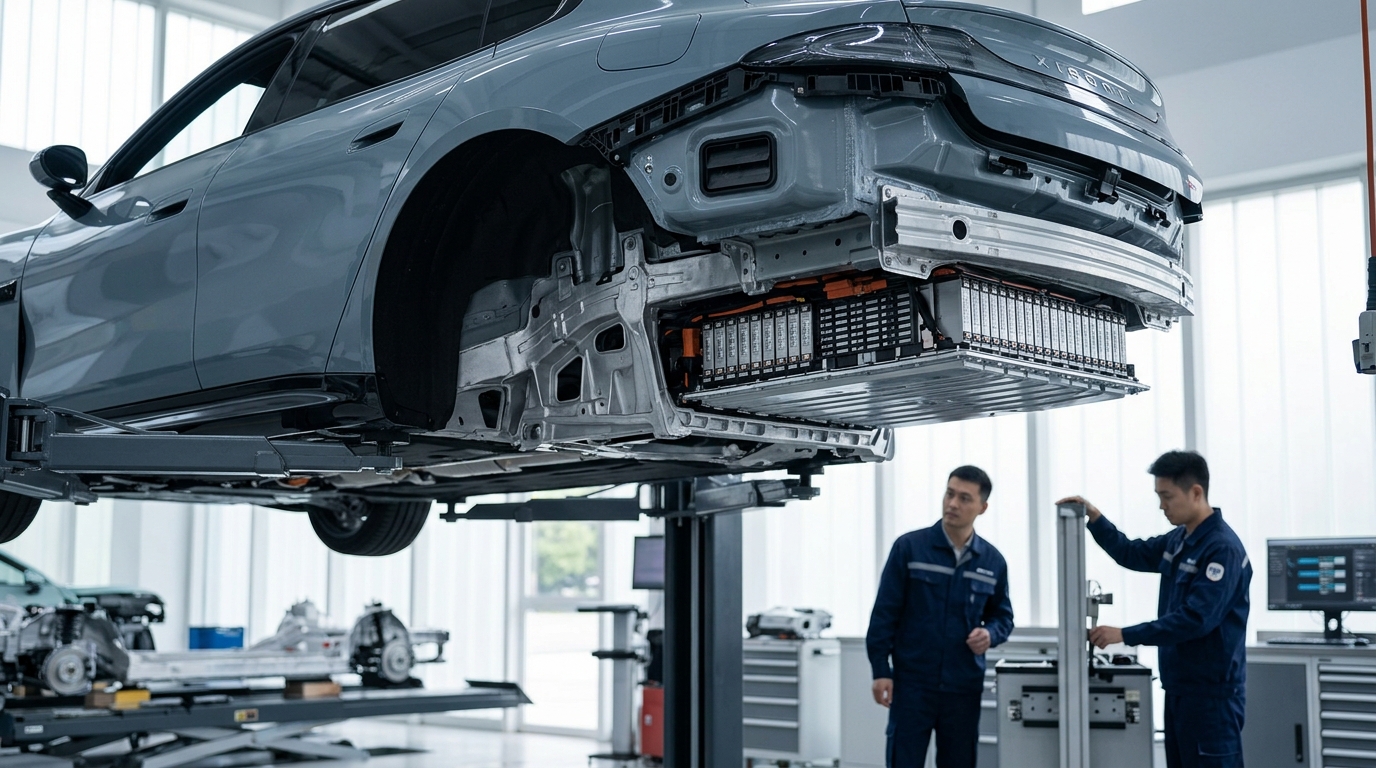
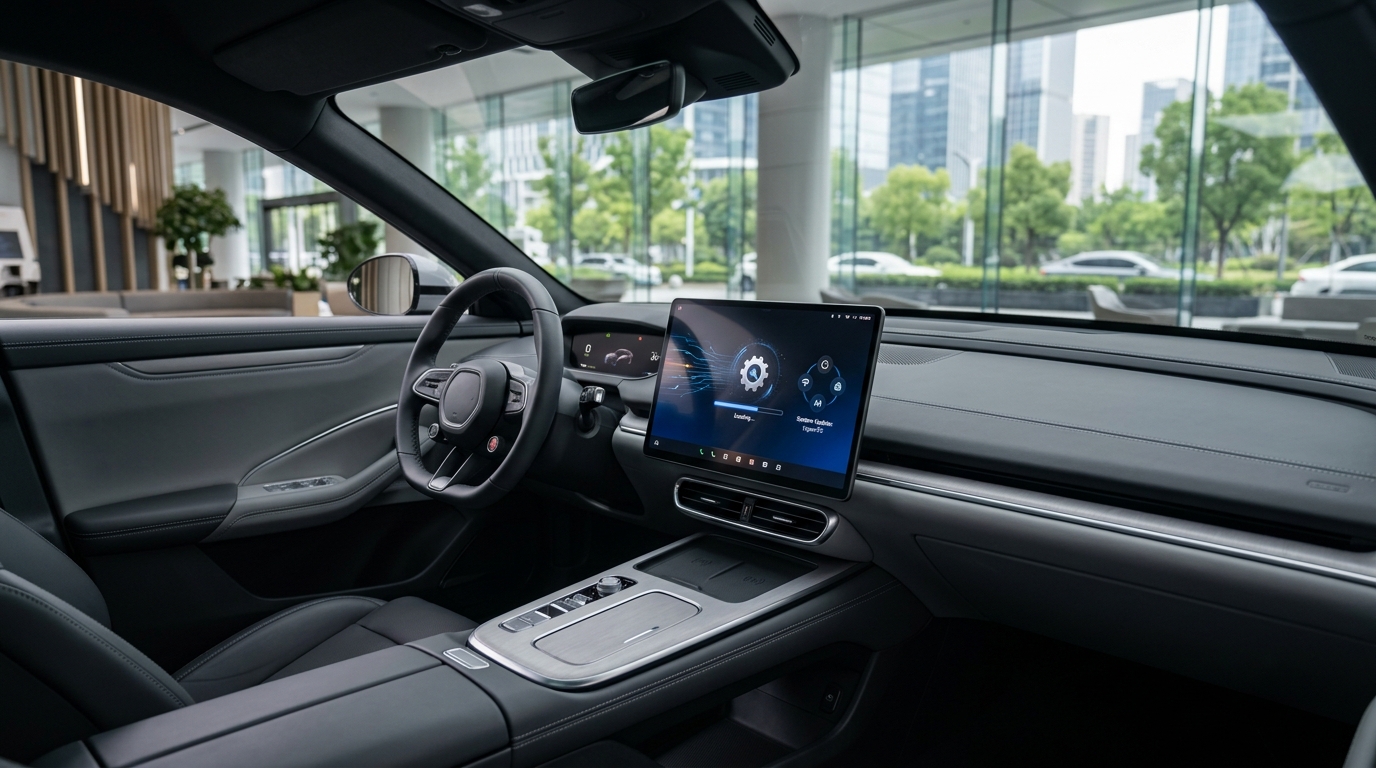
The transition from a new market entrant to a high-volume manufacturer requires rigorous refinement of assembly processes. Xiaomi’s recent efforts have centered on balancing the high precision required for its software-heavy vehicles with the speed necessary to clear order backlogs. By integrating advanced automation and real-time monitoring, the company aims to reduce the variance in build quality and assembly duration that often plagues new EV production sites.
What Increased Production Means for Buyers
As factory throughput climbs, the impact on the customer experience is becoming increasingly clear. Buyers who previously faced extended wait times are seeing more consistent updates regarding their vehicle’s build status. This stabilization is essential for maintaining brand loyalty, especially as potential customers weigh Xiaomi’s offerings against established players like Tesla and BYD.
| Focus Area | Objective |
|---|---|
| Capacity Utilization | Maximizing shift efficiency to meet rising regional demand. |
| Supply Chain Flow | Synchronizing component delivery with active assembly lines. |
| Quality Control | Automated diagnostics to ensure software and hardware parity. |
Operational Outlook
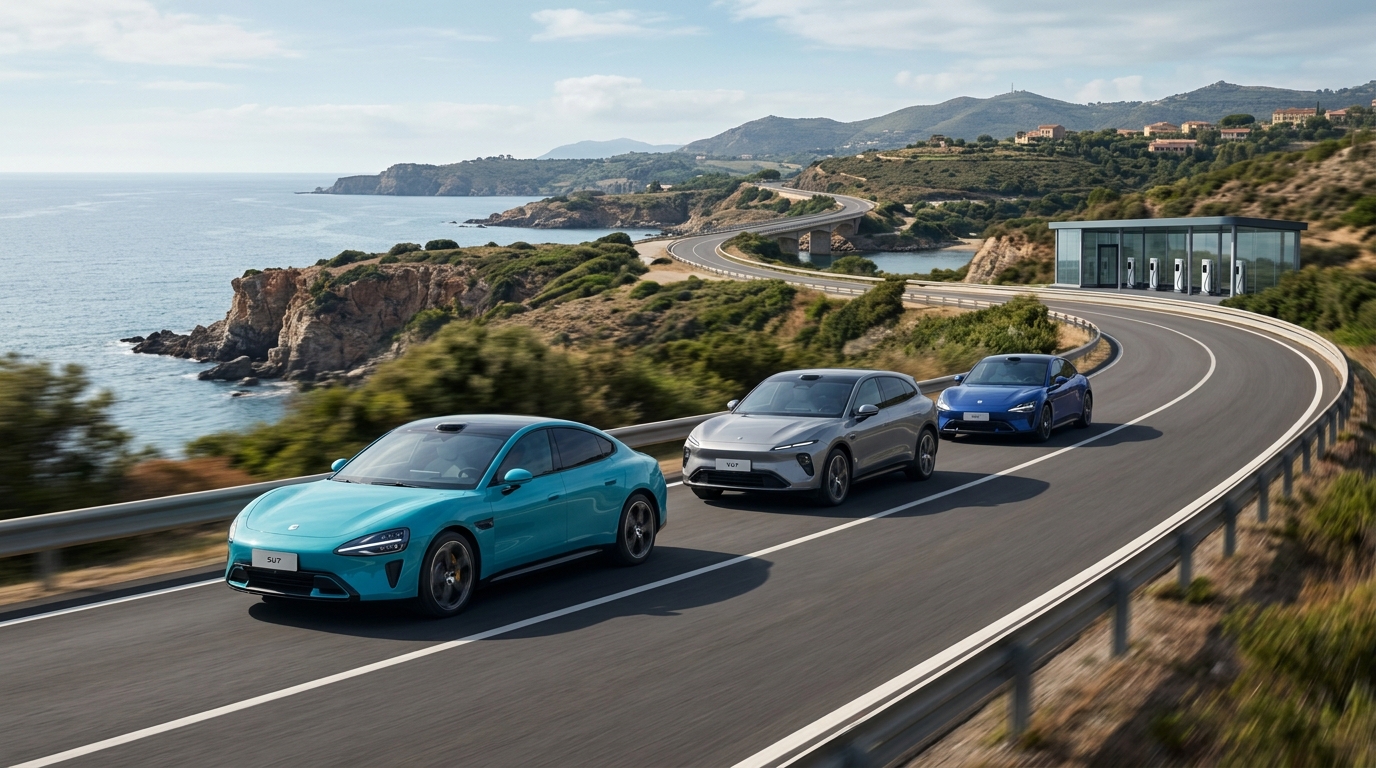
Looking ahead, the sustainability of this production model will be tested as the company expands its vehicle portfolio, including the anticipated YU7 SUV. The ability to pivot between different models on the same production floor will be the true test of Xiaomi’s factory flexibility. Investors and fans alike are watching closely to see if these manufacturing gains translate into sustained profitability and the ability to meet international demand should the brand proceed with its global expansion plans.
Editorial Disclaimer
This article is provided for educational and informational purposes only. Details can change over time, so readers should verify important information with official sources, qualified professionals, manufacturers, publishers, or relevant authorities before making decisions.