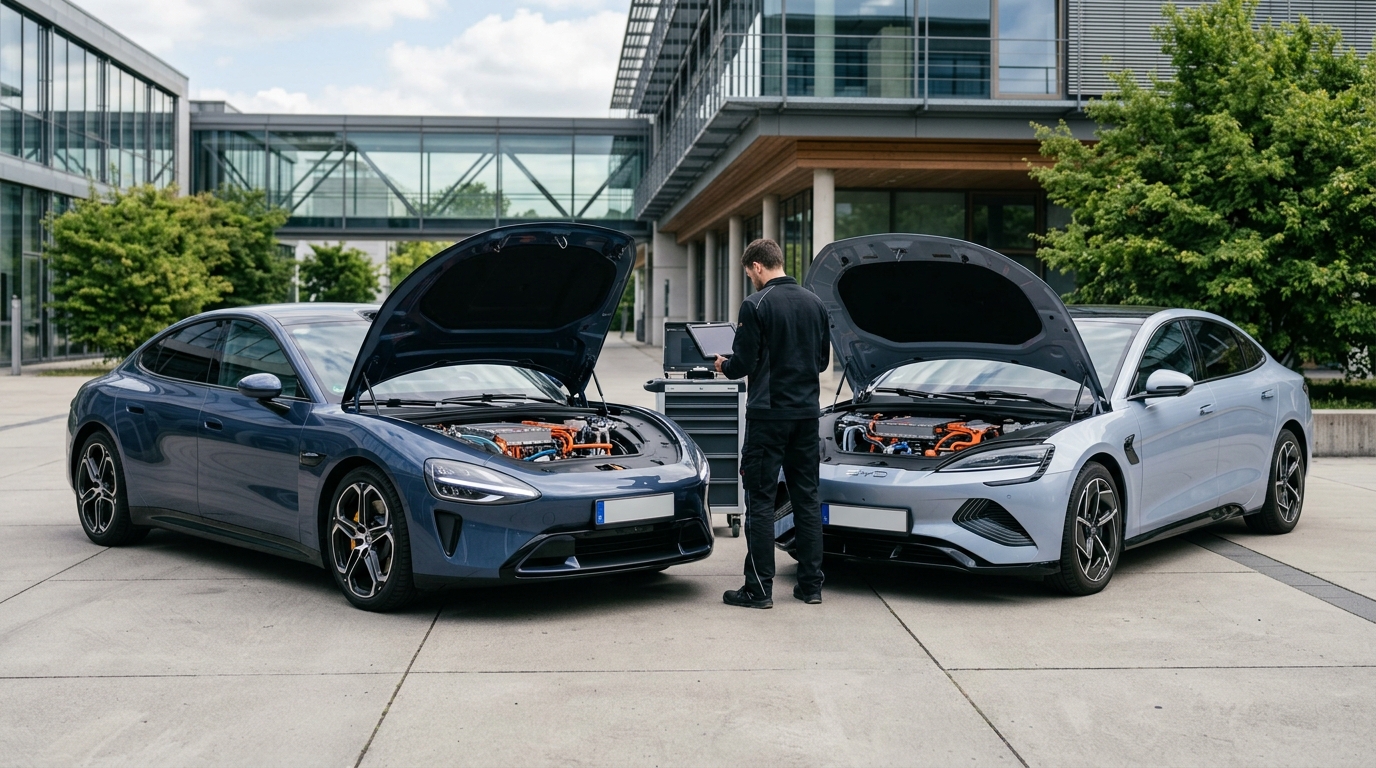
Xiaomi vs. BYD: How Their Battery Safety Tech Stacks Up for EV Owners
For prospective electric vehicle buyers, the choice between Xiaomi and BYD often comes down to their distinct approaches to battery engineering. As these two companies compete for dominance in the global EV market, their underlying philosophies on battery safety, thermal management, and structural integration have become critical decision points for tech-focused owners.
While both brands prioritize safety, they utilize different technical foundations. Xiaomi has leaned into high-performance structural integration, while BYD has built its reputation on the widespread adoption of its proprietary lithium iron phosphate (LFP) chemistry. Understanding these differences helps owners see how their vehicle handles daily charging, extreme temperatures, and long-term battery health.
Structural Integrity: Xiaomi’s CTB vs. BYD’s Blade Architecture
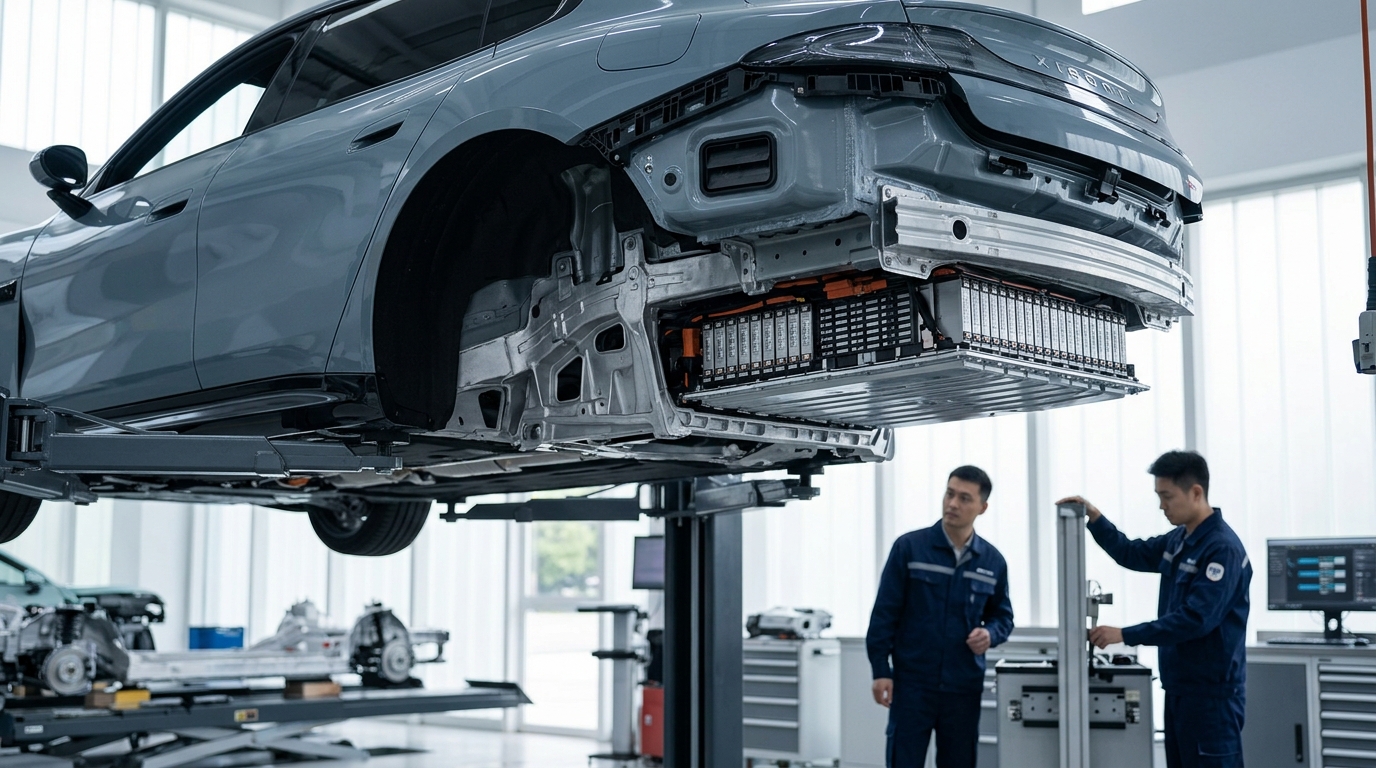
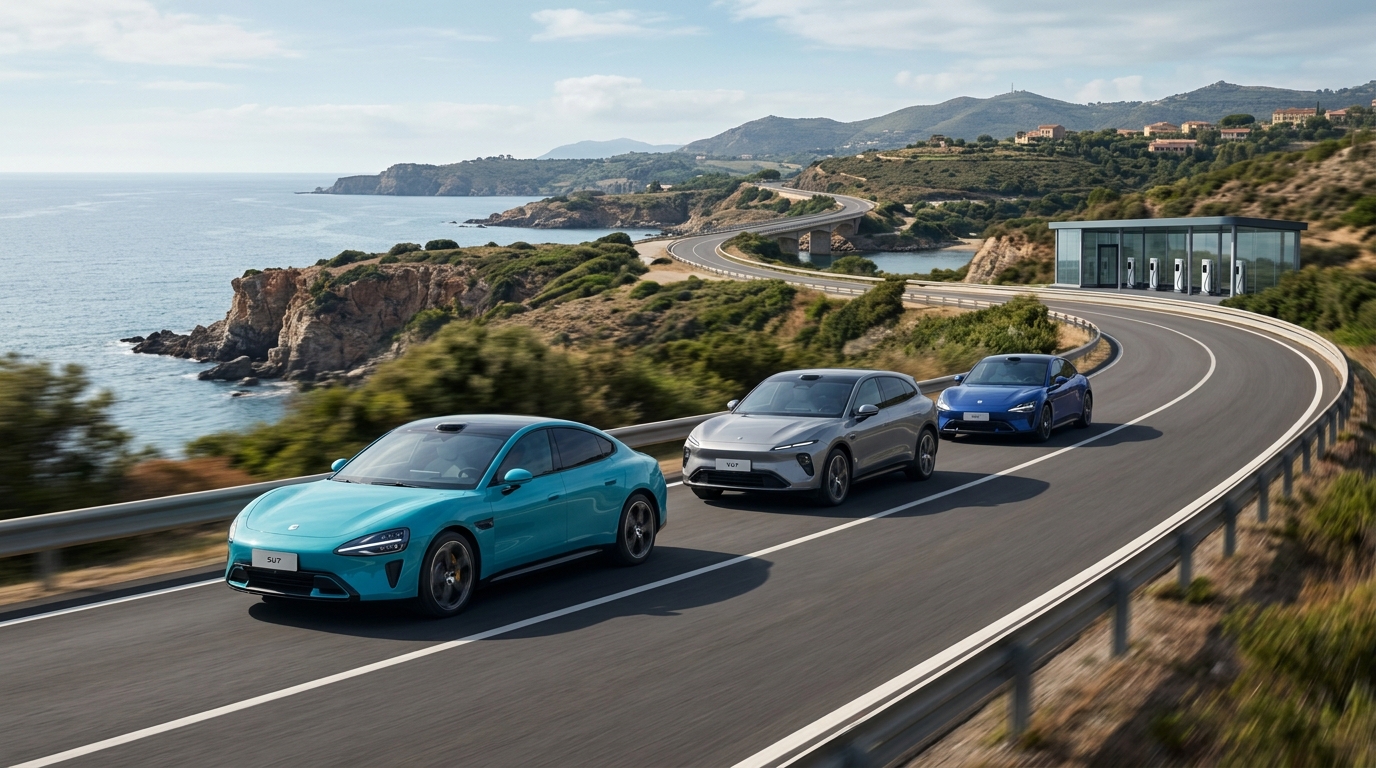
Xiaomi utilizes Cell-to-Body (CTB) technology in its SU7 lineup. This design integrates the battery pack directly into the vehicle’s chassis, which significantly improves torsional rigidity and cabin space. By treating the battery as a structural component rather than just a storage device, Xiaomi aims to offer a more responsive driving experience.
In contrast, BYD’s Blade Battery focuses on cell form factor and heat dissipation. The cells are arranged in a long, thin, blade-like configuration that inherently resists thermal runaway. Because these cells are less prone to overheating, BYD can pack them tightly without the same complex cooling requirements found in traditional battery packs, making the system exceptionally robust against physical punctures or short circuits.
Thermal Management in Real-World Conditions
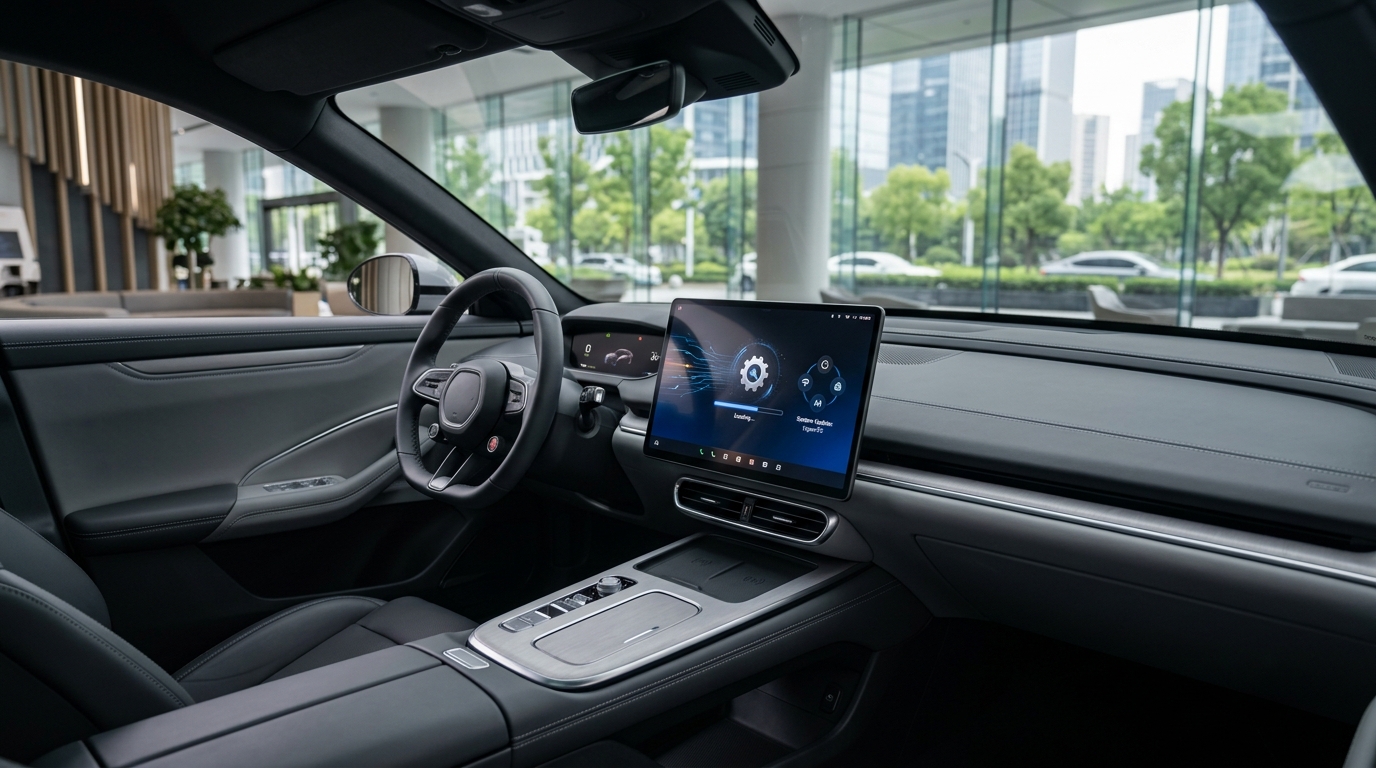
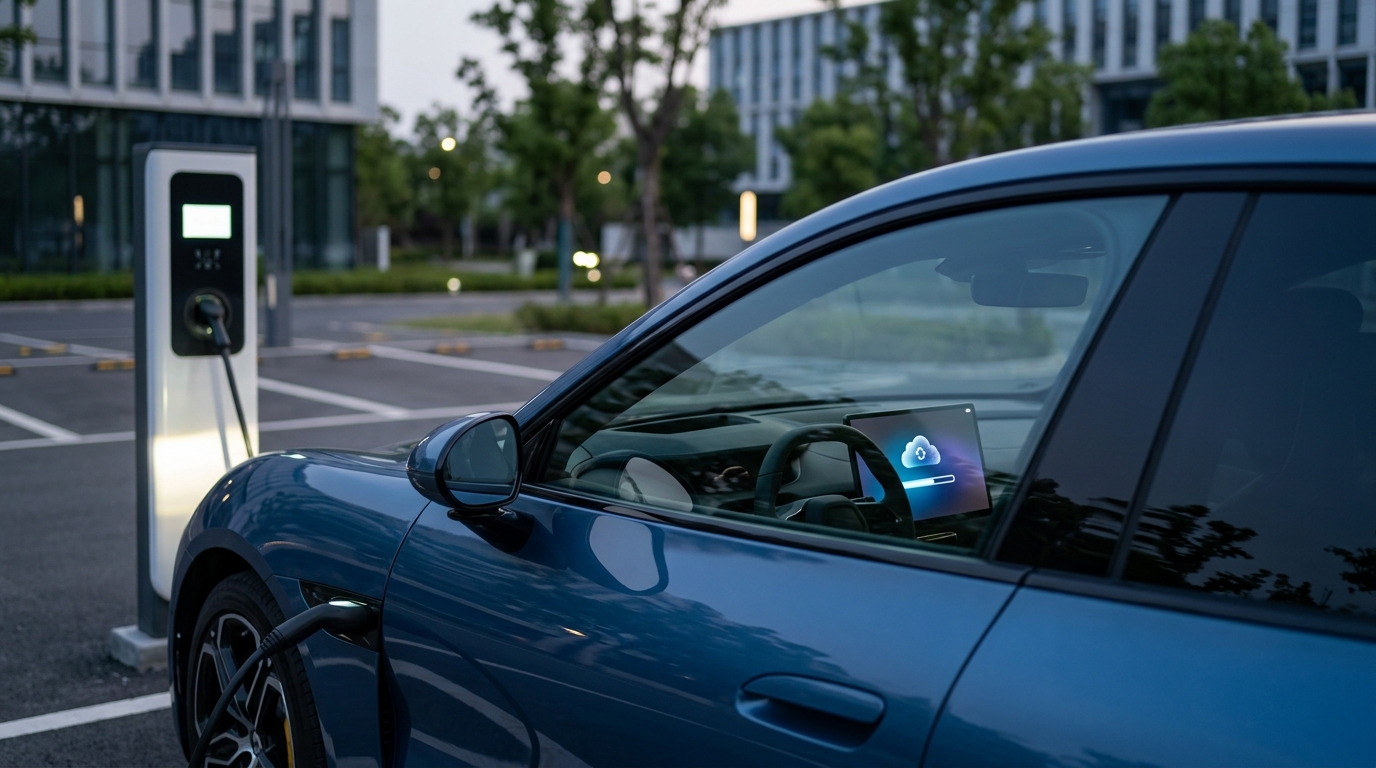
The effectiveness of these battery systems becomes most apparent during fast charging and in extreme climates. Xiaomi’s thermal management system is highly integrated with its HyperOS ecosystem, allowing the car to actively monitor and condition the battery pack based on real-time navigation data and charging station arrival times.
BYD’s approach is more hardware-centric. Because the LFP chemistry used in the Blade Battery is chemically more stable at higher temperatures, it often requires less aggressive cooling during standard operation. However, LFP batteries can experience more significant range drops in freezing temperatures compared to the ternary lithium compositions often used in performance-oriented models, though BYD has implemented advanced heat pump technology to mitigate these losses in newer iterations.
Buyer Considerations for Long-Term Ownership
When choosing between these platforms, consider how you intend to use the vehicle:
- Performance and Tech: If you prioritize software-driven efficiency, seamless ecosystem integration, and a chassis designed for handling, Xiaomi’s CTB platform offers a sophisticated, modern ownership experience.
- Durability and Simplicity: If your primary concern is long-term battery cycle life and inherent structural safety, BYD’s Blade Battery is widely regarded as one of the most stable and proven battery architectures in the industry.
What This Means for Future Buyers
The competition between Xiaomi and BYD is pushing the entire industry toward safer, more efficient battery designs. For buyers, the most important takeaway is that both companies have moved past early EV concerns regarding battery fires, shifting the conversation toward how well the vehicle manages its own thermal environment to preserve range and longevity over the life of the car.
Editorial Disclaimer
This article is provided for educational and informational purposes only. Details can change over time, so readers should verify important information with official sources, qualified professionals, manufacturers, publishers, or relevant authorities before making decisions.