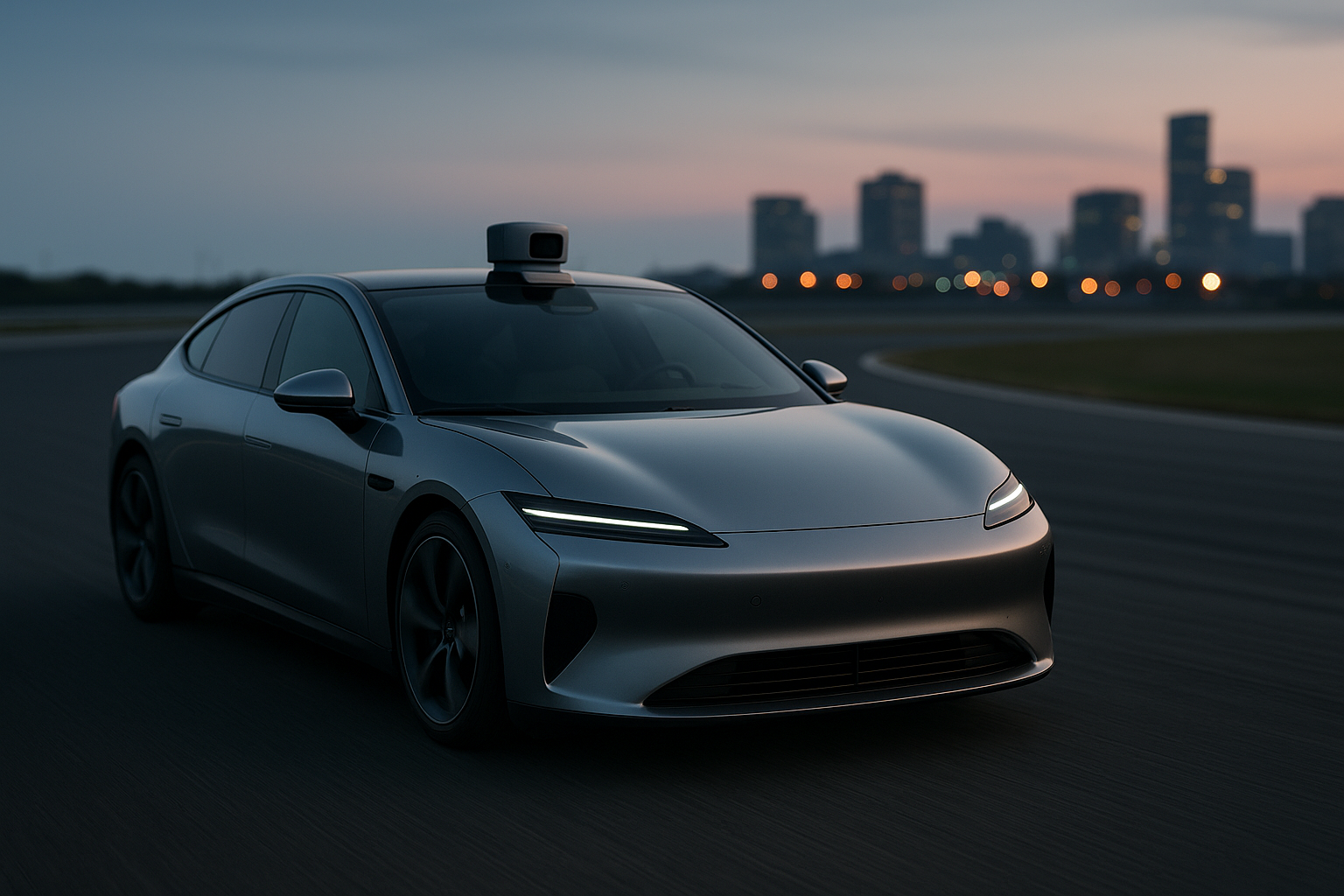
Xiaomi says new SU7 adds standard LiDAR and 700-TOPS assisted-driving compute as deliveries scale up
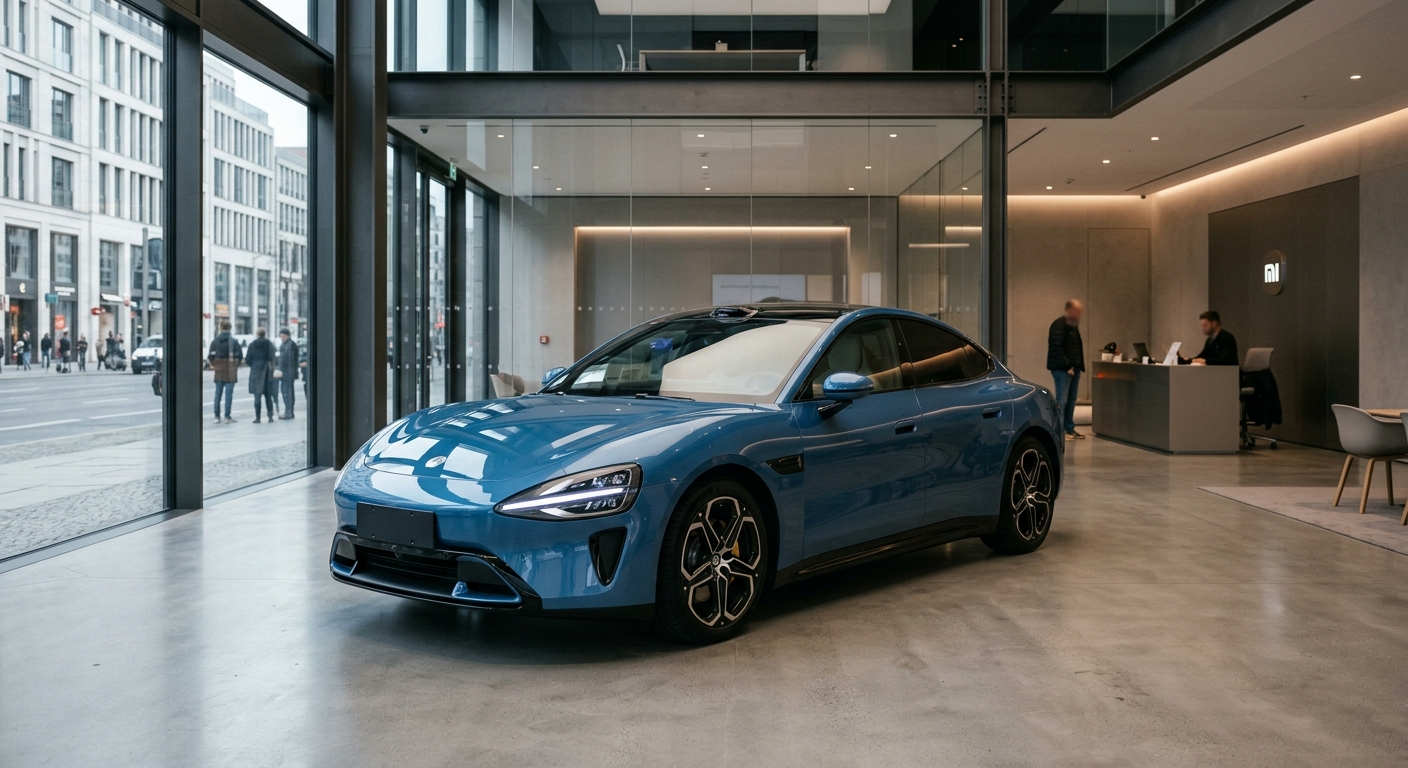
Xiaomi has made assisted driving a defining feature of its latest SU7 update, saying the new-generation sedan now comes standard with LiDAR, 700 TOPS of computing power for driver assistance and the company’s latest Xiaomi HAD system. The upgrade arrives as the automaker pushes the refreshed model into production and seeks to turn advanced driver-assistance into a more explicit commercial advantage in China’s EV market.
Xiaomi puts assisted driving at the center of the SU7 refresh
In its 2025 annual report released in March 2026, Xiaomi said the new-generation SU7 represents a “comprehensive upgrade” across safety, driving performance, intelligent experience and comfort. The company said the assisted-driving stack now uses LiDAR as standard hardware and the latest Xiaomi HAD software, powered by Xiaomi XLA architecture.
Xiaomi described the new system as a major step up for its driving-assistance technology. The company said the architecture moves the system from “imitating humans” to “truly understanding the world,” a claim that points to a broader shift toward more data-rich perception and decision-making in its assisted-driving software.
Hardware gains signal a more serious commercialization push
The new SU7’s 700 TOPS of assisted-driving compute is a notable hardware jump for Xiaomi, which is trying to compete in a segment where sensor suites and onboard processing power are increasingly central to product positioning. Standard LiDAR also indicates that Xiaomi is no longer treating advanced driver assistance as a high-end add-on for only the top trim.
The company said the refreshed SU7 starts at RMB219,900 for the Standard model, with higher trims priced at RMB249,900 and RMB303,900. Xiaomi also said locked-in orders exceeded 15,000 within 34 minutes of launch and passed 30,000 in the first three days, suggesting that the assisted-driving package is part of what is drawing early demand.
The update lands as Xiaomi scales its EV business
Xiaomi said it delivered 411,082 vehicles in 2025 and is targeting 550,000 deliveries in 2026. The company also reported that its smart EV, AI and other new initiatives segment generated RMB106.1 billion in revenue last year and turned profitable on an operating basis for the first time.
For Xiaomi, the SU7 refresh is not just a product update. It is a test of whether the company can convert assisted-driving upgrades into a repeatable sales argument in a market where Chinese EV buyers increasingly compare sensor hardware, software capabilities and driver-assistance features as closely as range or acceleration.
Source: Xiaomi annual report 2025
Date: 2026-03-24