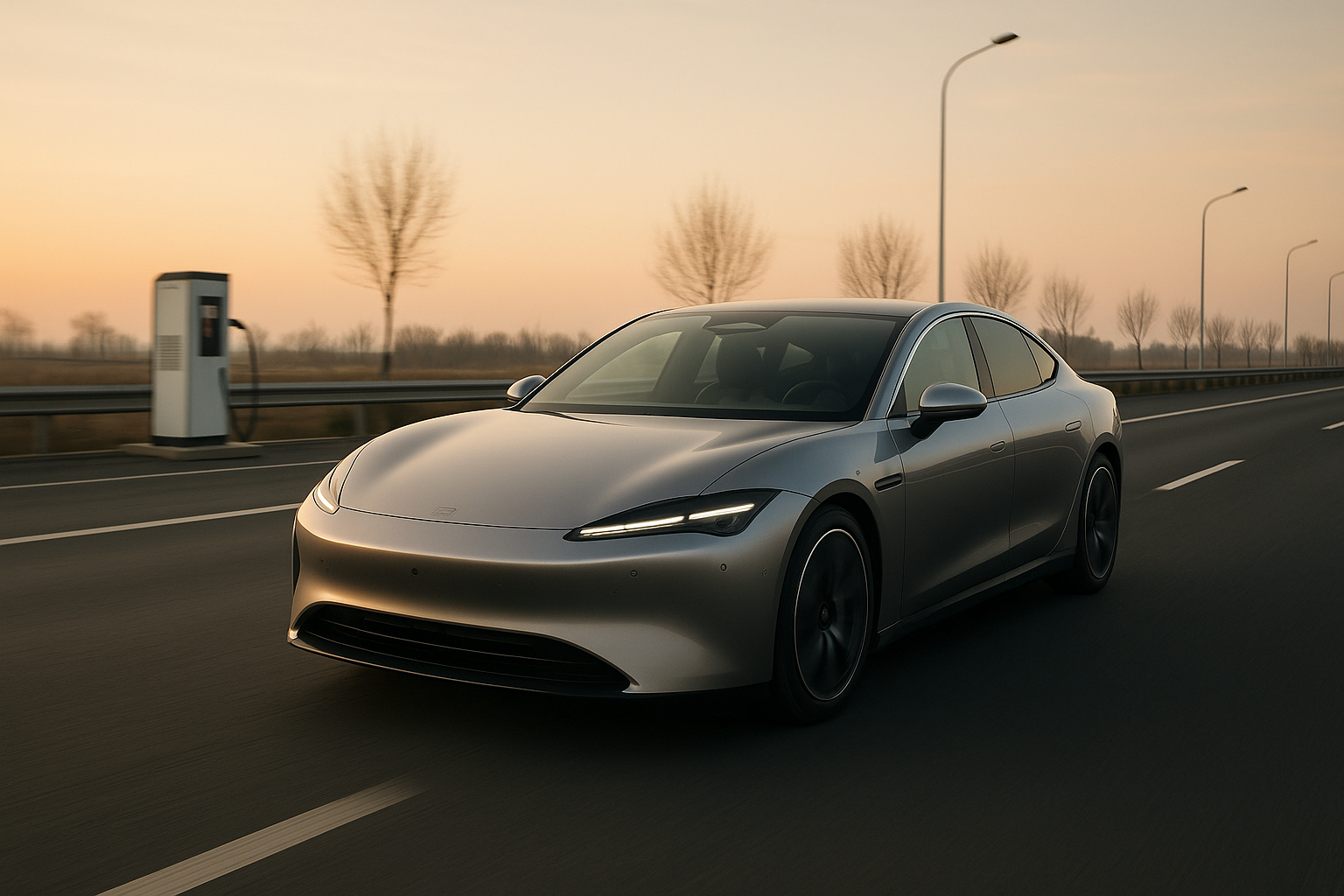
Xiaomi’s SU7 Pro takes a Beijing-to-Shanghai run as the brand pushes deeper into EV credibility
Xiaomi used a high-visibility road trip to make a simple point about its updated SU7 Pro: this is an electric sedan meant to handle real distance, not just launch-day headlines. The company’s chief executive recently drove the car from Beijing to Shanghai, a route of roughly 1,300 kilometers, and stopped to charge only once along the way.
Xiaomi turns a highway run into a product statement
The drive is notable because it frames the SU7 Pro as more than a spec-sheet exercise. In a market where Chinese EV buyers pay close attention to charging speed, thermal management and road-trip stamina, a long intercity run is one of the clearest ways to show how an electric sedan behaves outside the showroom.
For Xiaomi, that matters even more because the SU7 nameplate has to prove itself against established EV rivals on the same terms shoppers use every day: how far it goes, how often it needs to plug in and how quickly it gets back on the road.
Why the SU7’s updated hardware matters
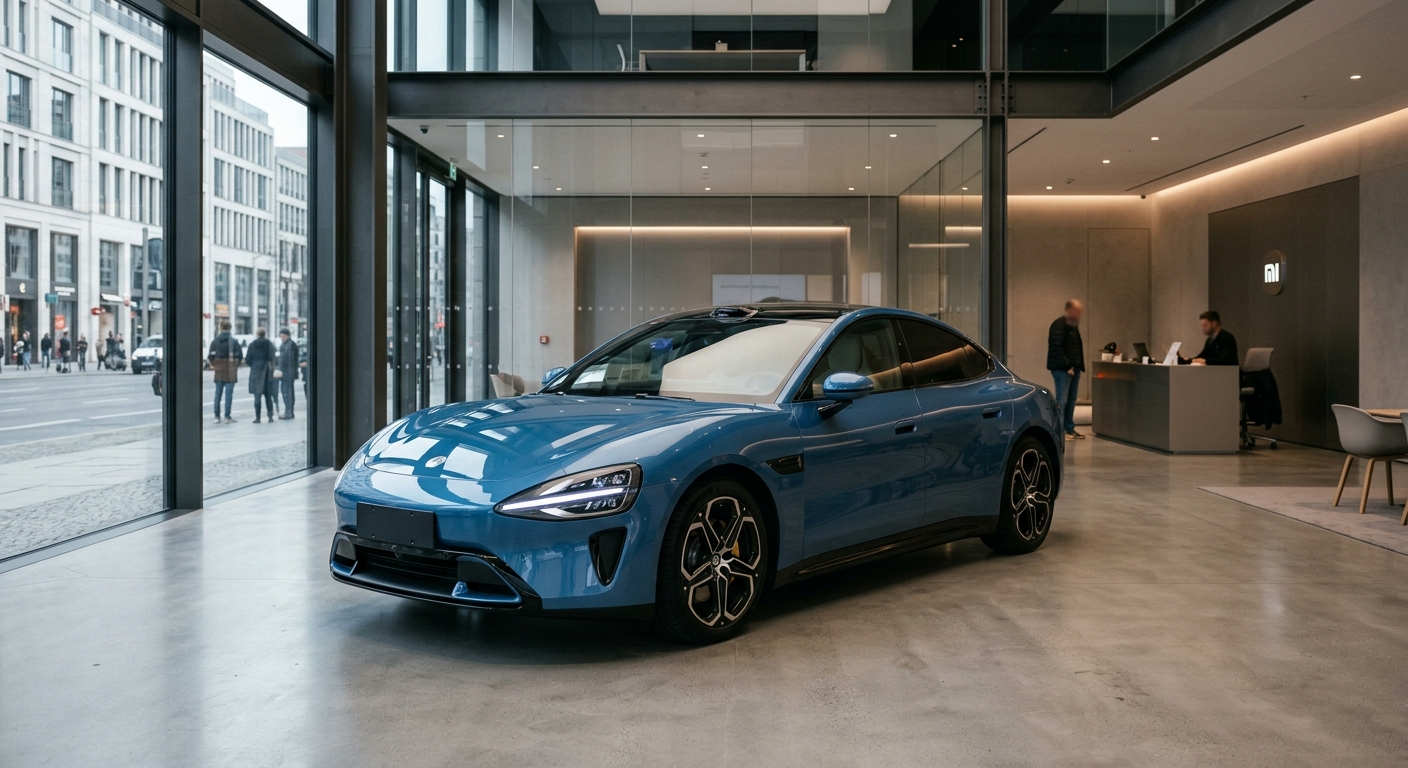
The updated SU7 line, launched in March 2026, brought a series of technical changes that sharpen the car’s efficiency and charging case. Xiaomi said the revised model range uses the V6s Plus electric motor family, and the refresh also leans on higher-end charging and driver-assistance hardware, including LiDAR on the lineup.
Those upgrades are aimed at the same problem this drive highlights. A sedan can post a headline range figure, but the real test is whether it can cover a day of interstate travel without feeling fragile or time-consuming when the battery runs down.
A sedan built to compete on use case, not novelty
The SU7 has already become the core of Xiaomi’s automotive identity, and the updated car is clearly being positioned to keep that momentum going. A long-haul Beijing-to-Shanghai run suggests the company wants the sedan to be judged less as a tech-company curiosity and more as a credible electric grand-touring machine with everyday Chinese road conditions in mind.
That is a meaningful shift for the segment. Buyers cross-shopping premium electric sedans in China are no longer asking only about acceleration and screen size; they want a car that can absorb winter temperatures, traffic, fast-charging stops and hundreds of kilometers of highway use without drama.
The road test puts pressure on the rest of the market
If Xiaomi can repeatedly demonstrate that kind of real-world efficiency, the SU7 becomes harder for rivals to dismiss as a splashy entry from a consumer-electronics giant. The brand is already using the sedan to build credibility beyond launch buzz, and the Beijing-to-Shanghai drive gives it a clean, concrete narrative that speaks to drivers rather than investors.
What comes next is whether Xiaomi can keep pairing these headline-friendly demonstrations with sustained delivery volume and consistent charging performance across the lineup. For an EV brand still young enough to be proving itself, that’s the kind of detail that matters most.
Source: Hürriyet Daily News
Date: 2026-04-24T00:00:00Z