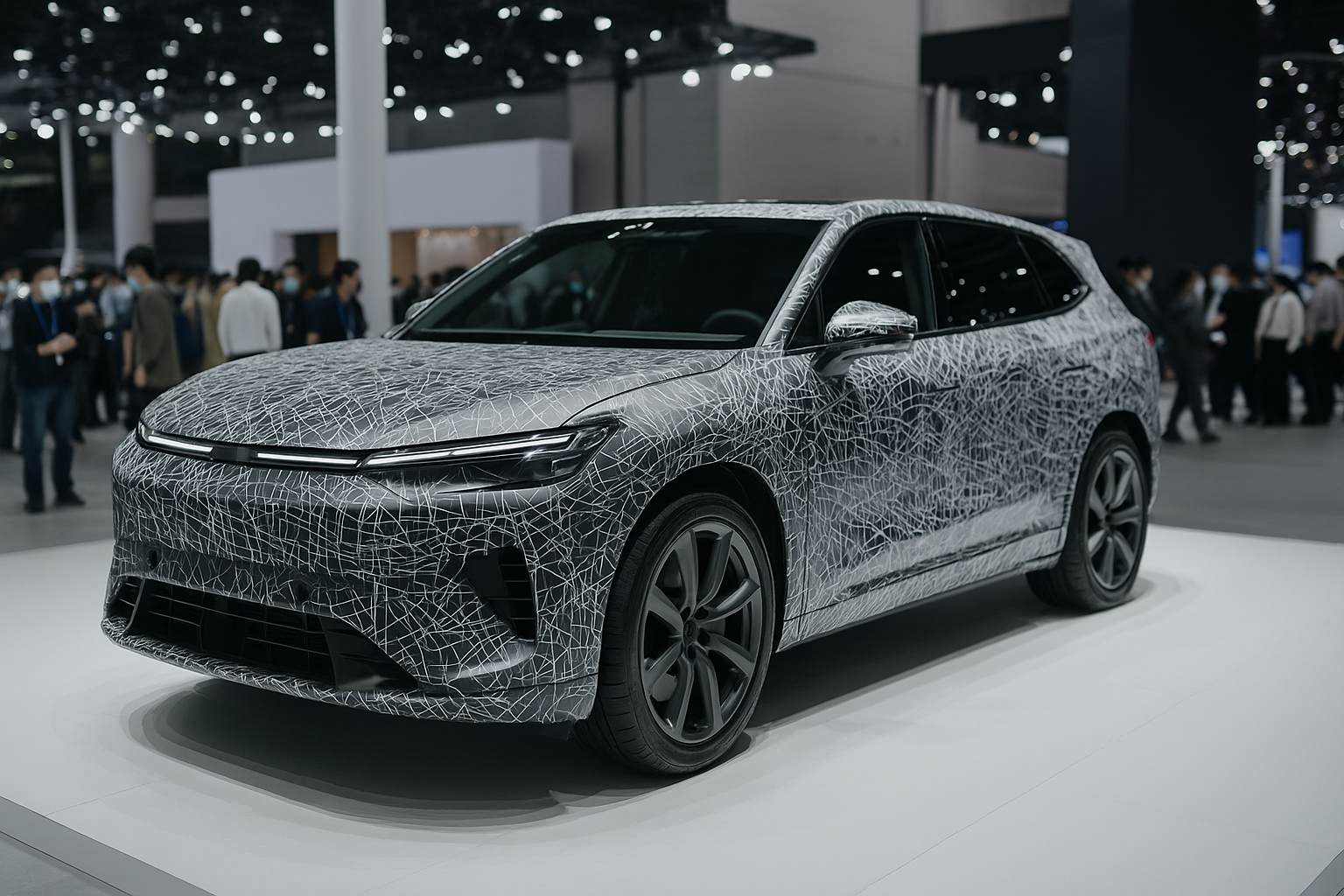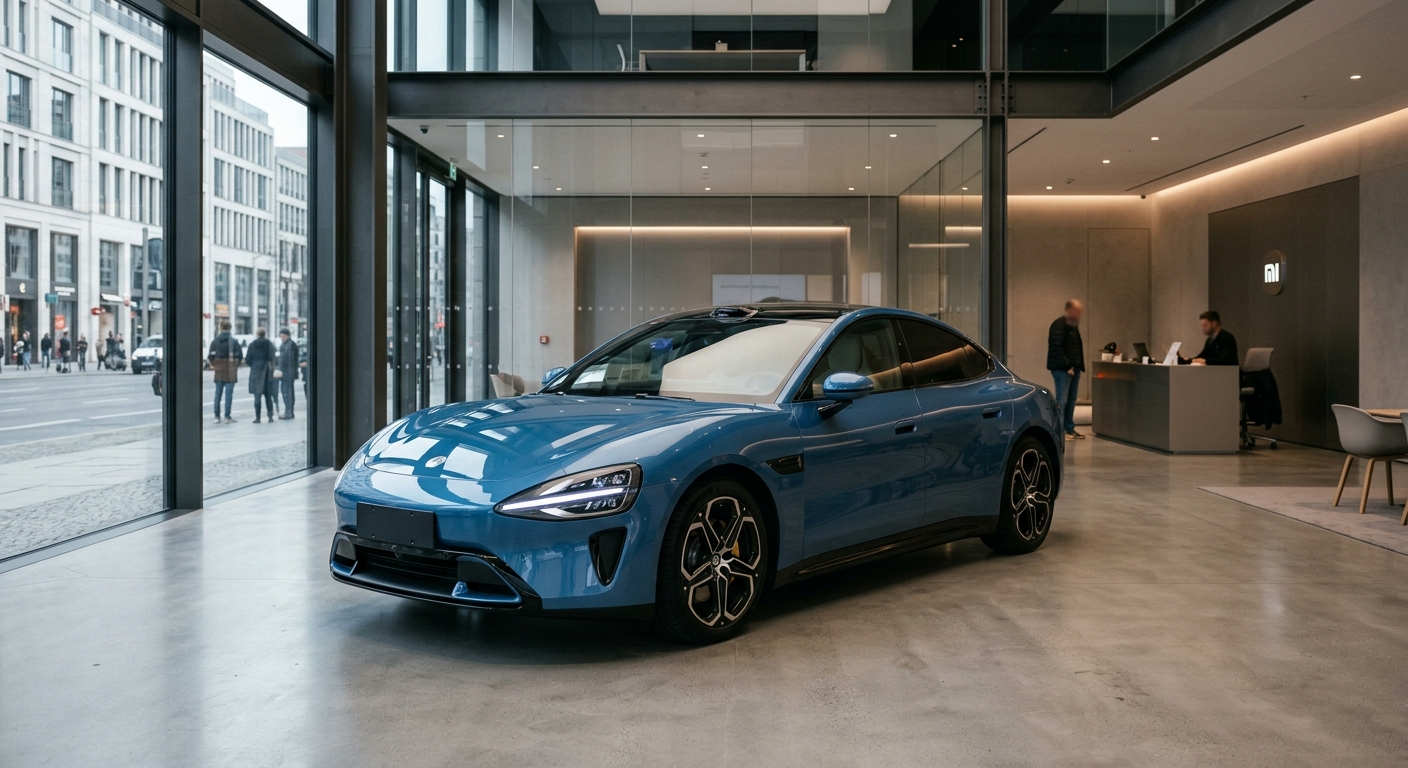
In a move that has caught the automotive industry by surprise, German automotive platform Autohelden has initiated a massive parallel import program to bring Xiaomi‘s highly anticipated electric vehicles to European roads years ahead of the manufacturer’s official timeline. The bold strategy targets the high-demand Xiaomi SU7 sedan and the newly introduced YU7 SUV, bypassing official distribution channels and setting up a potential legal showdown with the Chinese technology giant.
The Parallel Import Strategy and Ambitious Sales Targets
Led by Managing Director Christoph Wicke, Autohelden is finalizing preparations to roll out a comprehensive distribution and logistics network. The company has set an ambitious sales target of 50,000 vehicles across Europe within its first full year of operation. Approximately one-third of these deliveries, or roughly 16,000 to 17,000 vehicles, are expected to be registered in Germany alone.
To support this volume, Autohelden is establishing a network of 80 to 100 distribution locations across Europe. The importer plans to handle all customs clearance, homologation, and TÜV approvals independently. Rather than relying on a traditional manufacturer-backed franchise system, the vehicles will be sold through independent dealers who are being offered fixed margins and exclusive regional territories to prevent internal competition.
Xiaomi Mounts Legal Resistance Against Unofficial Sales
The aggressive move has met with immediate resistance from the manufacturer. Officially, Xiaomi has stated that it does not plan to launch its electric vehicles in European markets until 2027. The company is currently focusing its efforts on scaling up production to meet overwhelming domestic demand in China.
A spokesperson for Xiaomi Technology Germany issued a stark warning, stating that the company does not cooperate with Autohelden and explicitly reserves the right to take legal action. Despite the threat of litigation, Wicke remains undeterred, asserting that the platform has secured comprehensive legal assurances. According to Wicke, the vehicles are being sourced through a combination of direct purchases in China and secondary intermediaries, making the parallel import process entirely legal under European trade regulations.
Overcoming Technical Hurdles and After-Sales Logistics
Importing vehicles designed specifically for the Chinese domestic market presents several unique challenges that Autohelden must address before delivery. Because these vehicles are built to Chinese specifications, they utilize the domestic GB/T charging standard and feature infotainment systems configured for Chinese software ecosystems. Buyers will need to rely on charging adapters and navigate potential software language limitations.
To build consumer trust and mitigate these hurdles, Autohelden has structured a robust after-sales support system:
- Extended Warranty Protection: In partnership with Mobile Garantie Deutschland, the importer will offer a 3-year or 120,000-kilometer warranty, which can be extended up to 6 years with regular workshop visits.
- Anti-Corrosion Treatment: Because Chinese-market vehicles are not always optimized for harsh European winters, Autohelden will apply specialized anti-corrosion treatments to the chassis and body cavities of every vehicle prior to delivery.
- Rapid Parts Supply: Leveraging its existing automotive parts procurement network in China, the platform plans to utilize air freight to deliver urgent spare parts within days, while standard replenishment shipments will take 25 to 30 days.
While Xiaomi’s vehicles are the primary draw, the import program also includes models from other prominent Chinese brands currently lacking a full European presence, such as Zeekr, Avatr, and Jetour. As independent importers continue to exploit the gap between Chinese production capacity and official European launch dates, this parallel import initiative represents a significant test of how global manufacturers can control their brand presence in the electric vehicle era.