In the high-performance electric vehicle sector, raw power figures often overshadow real-world drivability. However, the first track reviews of the production-spec Xiaomi SU7 Ultra have revealed that its most defining characteristic is not its sheer speed, but its remarkable accessibility. Testing the vehicle on a private track in China, automotive journalists have highlighted how advanced chassis tuning and software integration have transformed a 1,526-horsepower track monster into a highly manageable driving machine.
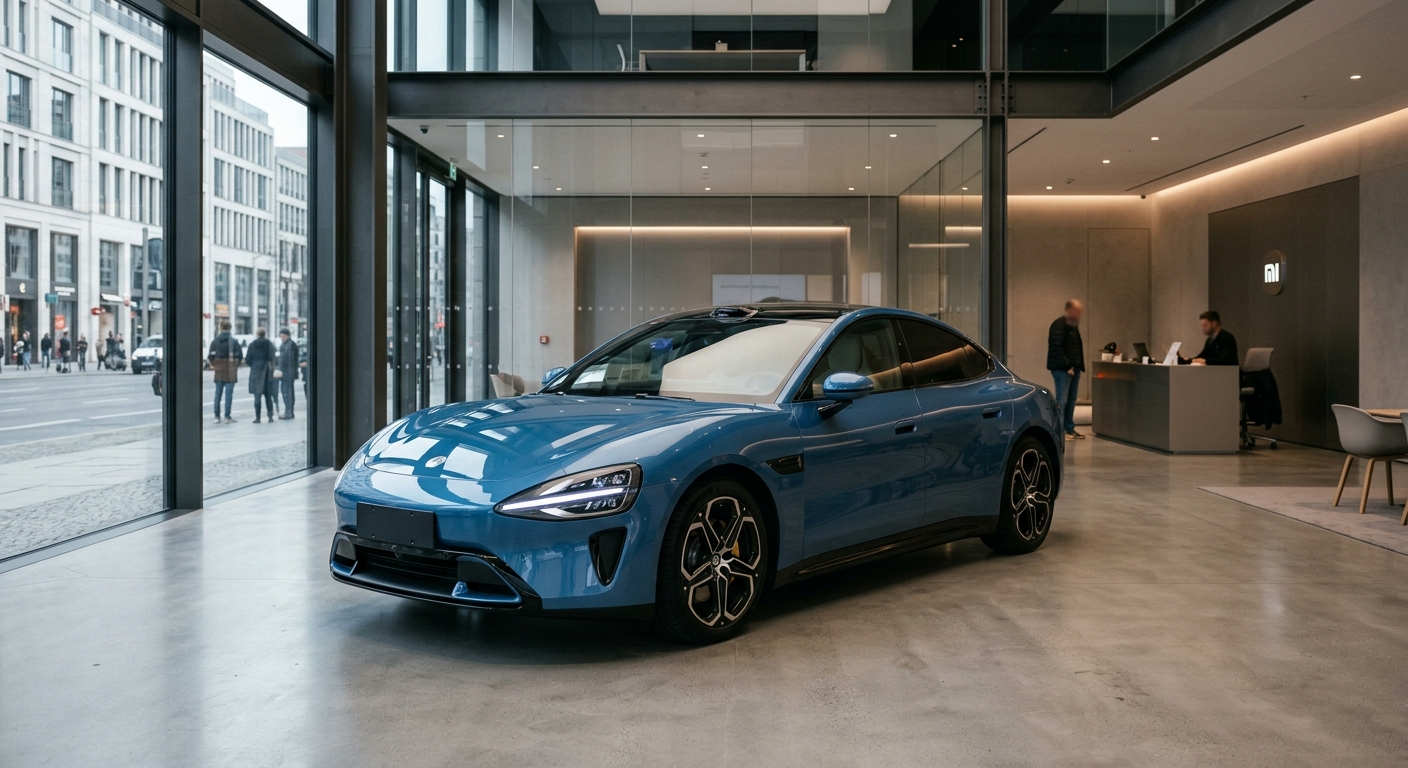
Priced from approximately $75,000 (529,900 RMB) in its domestic market, the flagship sedan aims to challenge established luxury performance benchmarks from Porsche, BMW, and Audi at a fraction of their typical retail costs. The initial driving impressions suggest that Xiaomi has succeeded in delivering hypercar-level dynamics that remain intuitive even for non-professional drivers.
Demystifying the 1,526-Horsepower Powertrain
The mechanical foundation of the Xiaomi SU7 Ultra reads like a spec sheet designed to dominate track records. The tri-motor setup features two high-revving HyperEngine V8s motors on the rear axle and a single V6s motor at the front. Together, they generate 1,526 horsepower and 1,305 lb-ft (1,769 Nm) of torque.
This immense power delivers a 0–62 mph (0-100 km/h) sprint in just 1.98 seconds, with a claimed top speed of 217 mph (350 km/h). To sustain these performance levels without thermal degradation, the vehicle utilizes a specialized 93.7 kWh CATL Qilin II battery pack. This battery boasts an extraordinary peak discharge rate of 1,330 kW, allowing the car to output up to 800 kW of power even when the battery charge drops below 20%.
Advanced Chassis Coordination Keeps Drivers Confident
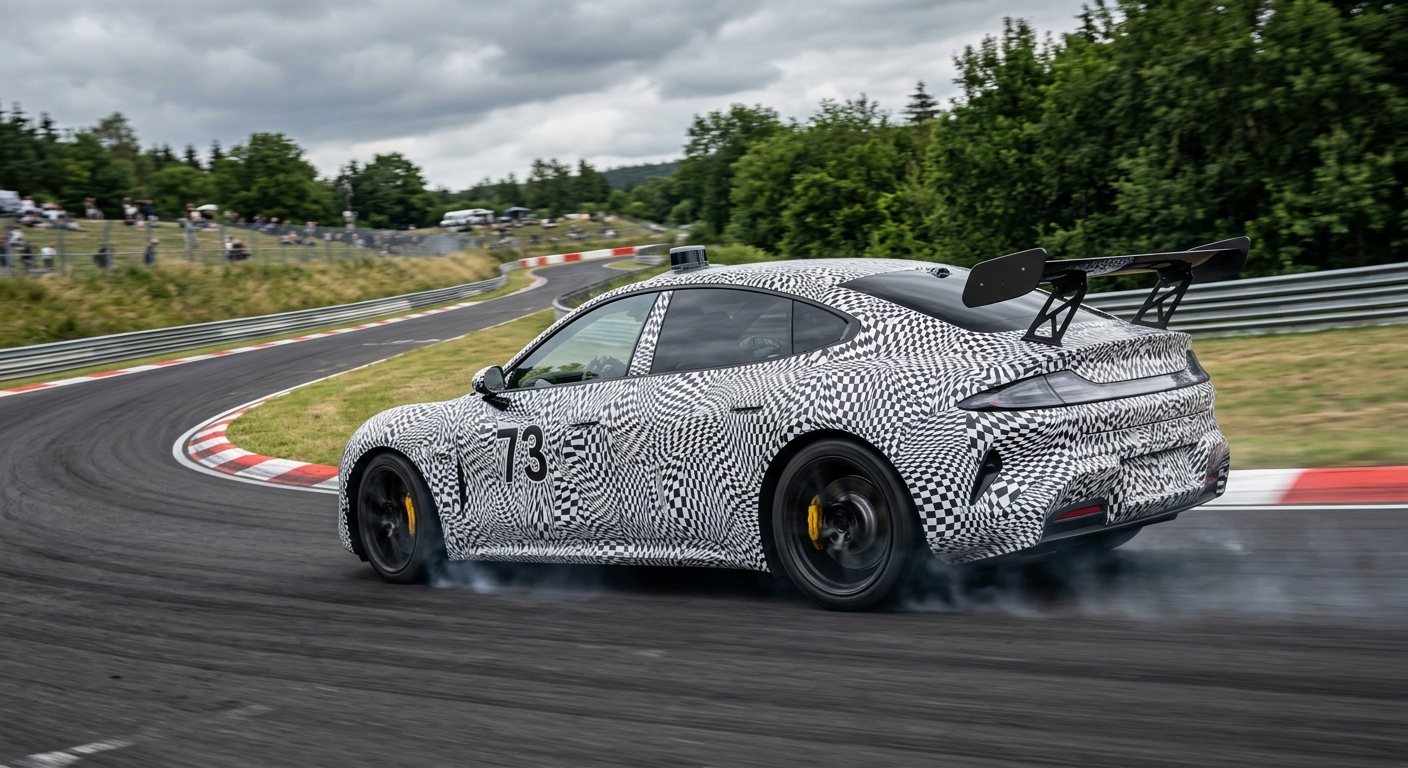
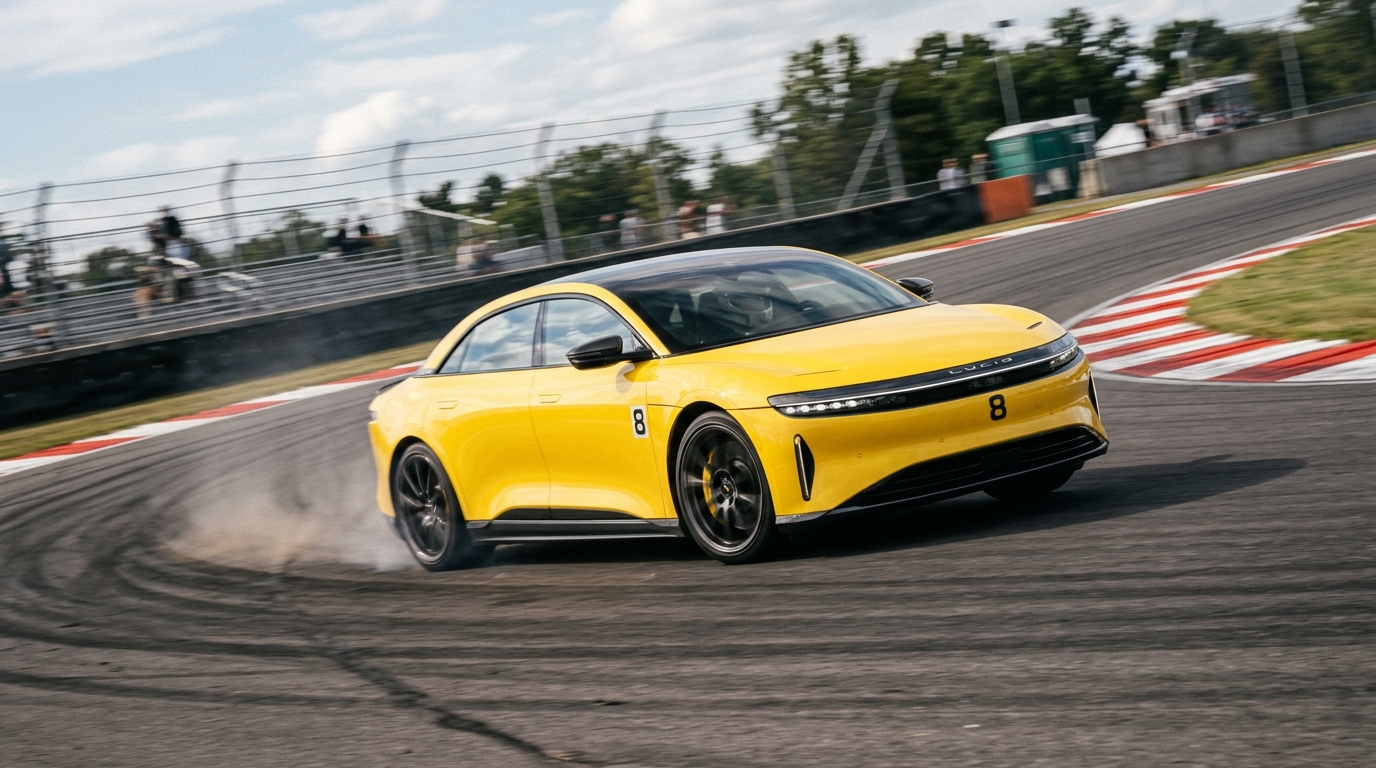
While straight-line speed is a hallmark of modern electric vehicles, the SU7 Ultra distinguishes itself through its cornering composure. Track testers noted that the vehicle’s traction control and adaptive suspension operate in tight, real-time coordination. When thrown into tight corners with excessive speed, the vehicle’s onboard systems actively manage power distribution and damper response to stabilize the chassis.
This seamless intervention prevents the rear-end instability and scuttling common in high-power rear-biased vehicles. Rather than feeling restrictive, the electronic aids work with the driver, allowing the vehicle to rotate willingly through corners while maintaining a predictable path. This approachable handling profile makes the extreme power output feel manageable rather than intimidating, contrasting sharply with legacy sport sedans that can often feel unforgiving at their limits.
Searing Braking Capacity and High-Discharge Tech
To safely manage such extreme kinetic energy, Xiaomi equipped the SU7 Ultra with massive carbon ceramic brake discs, which the company claims are the largest fitted to any production sports car. These high-performance brakes are designed to operate at temperatures reaching up to 2,300°F (1,260°C) without fading.
The mechanical brakes are heavily augmented by an aggressive regenerative braking system. The electric motors can generate up to 400 kW of regenerative energy during deceleration, pulling up to 0.6 G of braking force before the friction brakes even engage. For buyers seeking the ultimate track setup, an optional $13,000 track package adds 21-inch forged aluminum wheels, a carbon fiber roof, and a track-optimized Bilstein EVO R suspension system.
Shifting the Narrative on Chinese EV Dynamics
For years, global automotive executives and industry analysts have maintained that while Chinese EV startups excel at software, battery integration, and straight-line acceleration, they lag behind European legacy brands in ride quality and chassis dynamics. The track performance of the SU7 Ultra directly challenges this assumption.
By optimizing the chassis specifically for demanding circuits like the Nürburgring Nordschleife, where the prototype previously set a production EV record, Xiaomi has demonstrated a sophisticated understanding of vehicle dynamics. The result is a vehicle that not only matches the performance of elite Western supercars but does so with a level of driver-focused polish that signals a new era of competitiveness for Chinese automotive engineering.