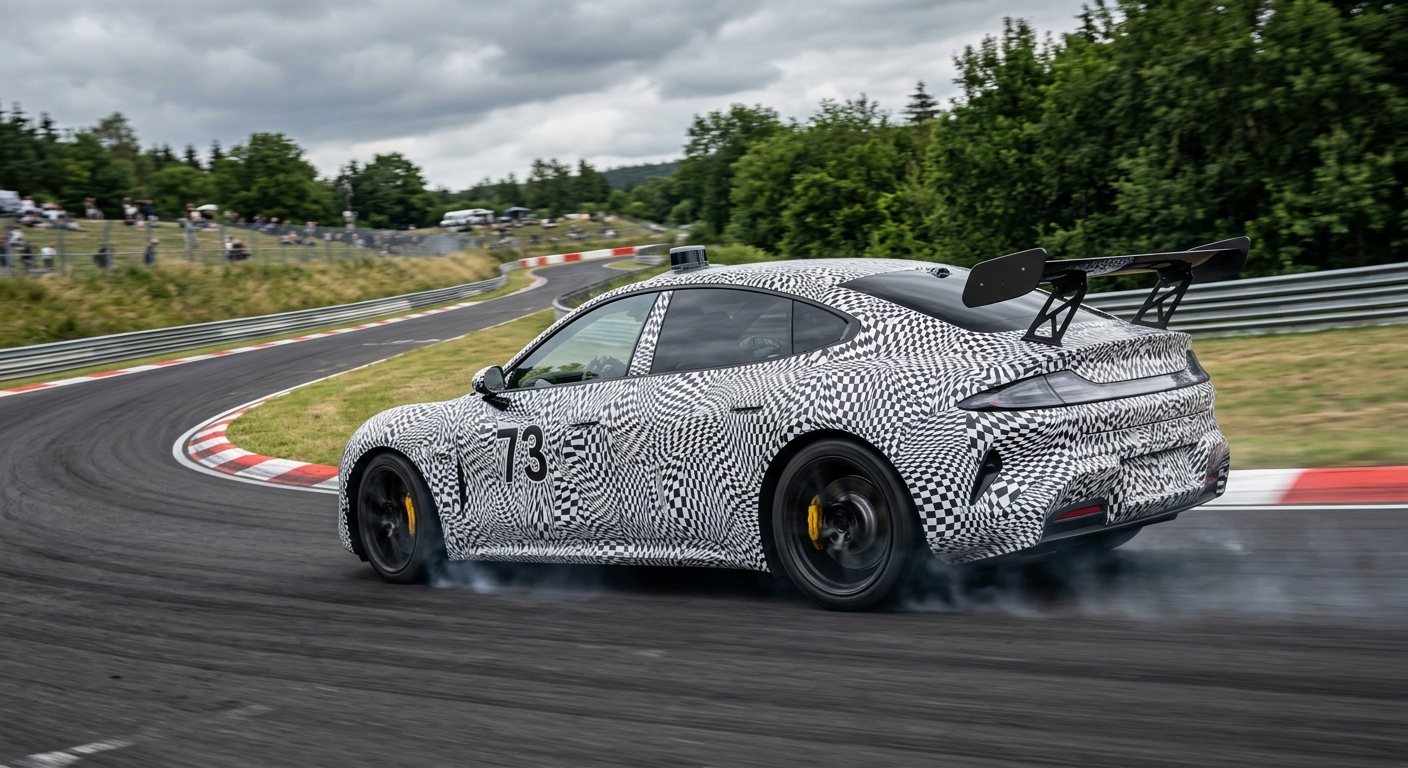
Spotting the New Aerodynamic Prototype
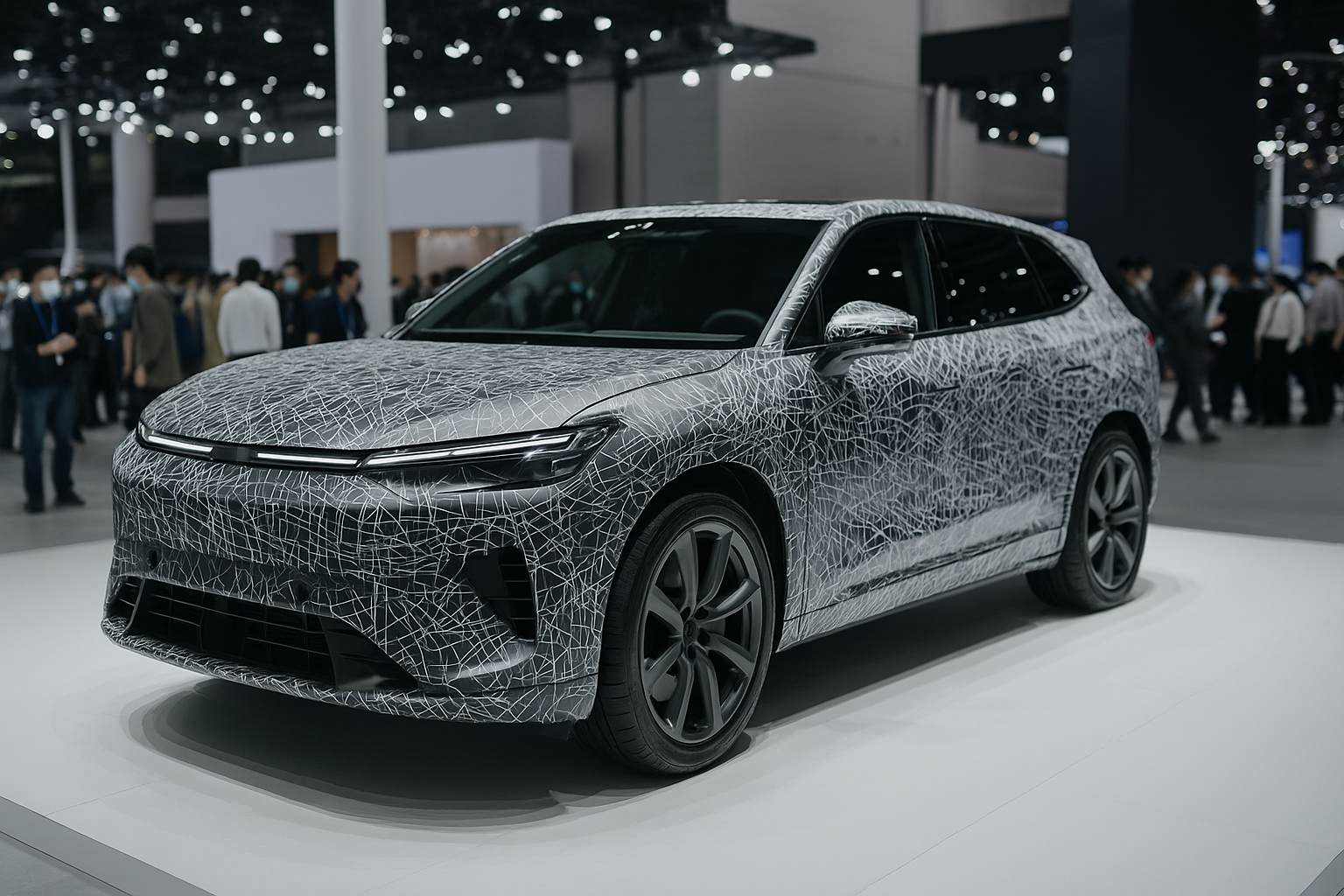
A heavily camouflaged prototype of the high-performance Xiaomi SU7 Ultra has been spotted undergoing testing in both Europe and China. The most striking feature of the newly sighted vehicle is an aggressively oversized, fixed rear wing mounted on the trunk. The wing is significantly larger than the spoiler seen on the previous SU7 Ultra Prototype, drawing immediate comparisons to the extreme aerodynamic setups found on track-focused sports cars like the Porsche 911 GT3 RS.
Industry observers note that this massive wing is designed to generate substantial downforce, pressing the rear wheels firmly onto the track during high-speed cornering. Alongside the wing, the spied vehicle features carbon fiber side-view mirrors, a roof-mounted LiDAR sensor, and five-spoke wheels housing large yellow brake calipers. Additional sensor arrays integrated into the front fenders suggest that Xiaomi is also refining its advanced driver-assistance systems (ADAS) for extreme track conditions.
Challenging the Nürburgring Elite
The timing of this upgraded prototype suggests that Xiaomi Auto is preparing for another high-profile attempt at the legendary Nürburgring-Nordschleife circuit. The company has previously used the track to establish its performance credentials, with the standard SU7 Ultra lapping the German circuit in 7 minutes and 5 seconds. This time placed it ahead of high-end electric competitors like the Tesla Model S Plaid and the Rimac Nevera.
With this aerodynamically enhanced variant, Xiaomi appears to be targeting the electric executive car lap record currently held by the Porsche Taycan Turbo GT. By maximizing downforce through the new wing design, the vehicle can carry higher speeds through the Nürburgring’s demanding curves, potentially shaving valuable seconds off its previous lap times.
Powertrain Upgrades and Market Strategy
While the current production version of the SU7 Ultra already boasts a staggering 1,526 horsepower (1,138 kW) from its triple-motor setup—comprising two self-developed HyperEngine V8s motors and one V6s motor—rumors suggest the new prototype could feature an upgraded powertrain. Speculation in the automotive industry points to either a software-unlocked power curve or the development of an even more extreme quad-motor configuration designed to push the boundaries of electric vehicle performance.
For investors and industry professionals, this aggressive development cycle highlights Xiaomi’s broader business strategy. Despite delivering massive numbers for its standard and Pro trims—with overall monthly deliveries exceeding 30,000 units in April 2026—the hyper-performance Ultra model remains a niche product. China Passenger Car Association (CPCA) data indicates that Xiaomi delivered only 64 units of the SU7 Ultra in April 2026, down from its initial launch-hype peaks. By launching an even more extreme track-focused package, Xiaomi aims to boost its brand prestige, prove its engineering capabilities on the global stage, and ultimately drive consumer interest back to its high-margin performance lineup.