Beyond the Spec Sheet: How Xiaomi’s Cell-to-Chassis Tech Affects Daily EV Range
For drivers weighing their next electric vehicle purchase, Xiaomi’s Cell-to-Chassis (CTC) battery technology is frequently mentioned as a core performance advantage. While marketing materials often focus on top-tier range numbers and peak charging speeds, understanding how this architecture actually influences daily driving—from cabin comfort to energy consumption—is more useful for the average owner.
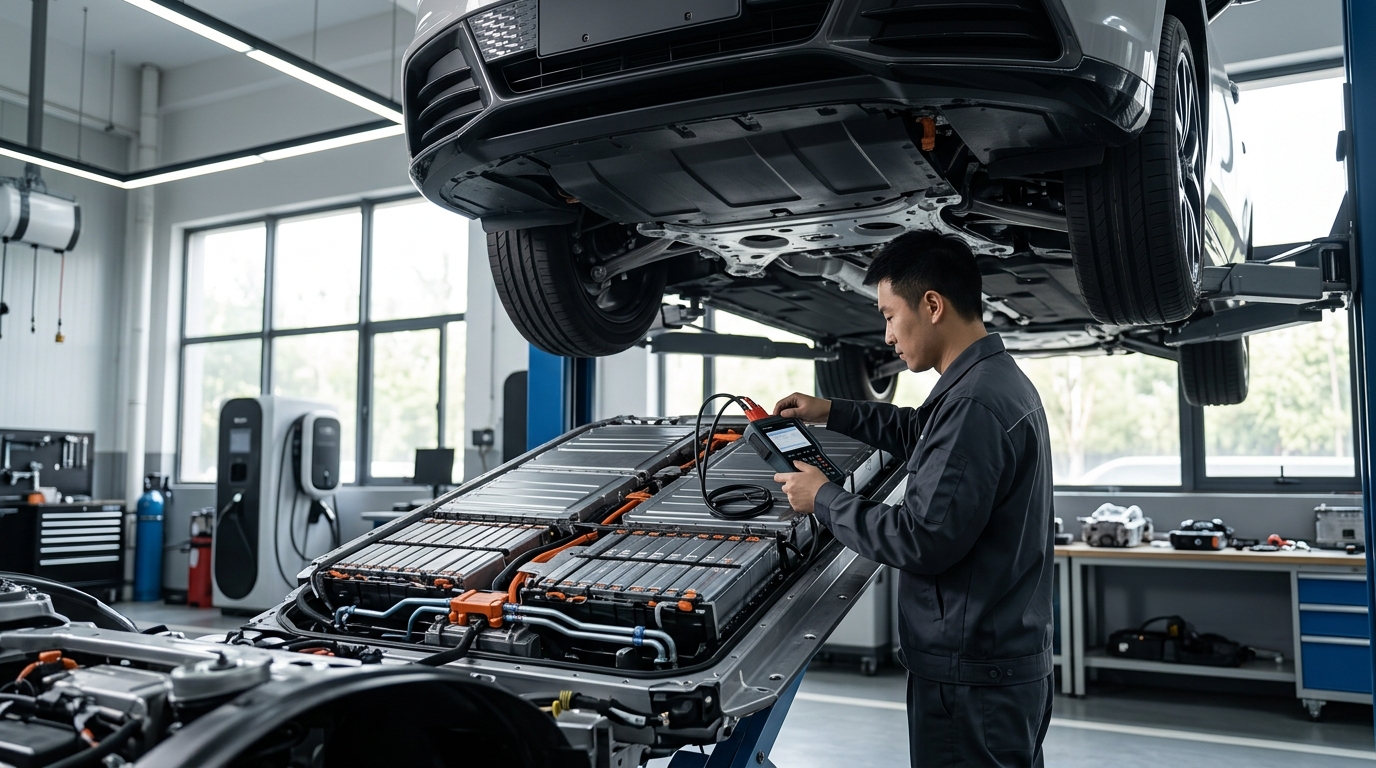
By integrating the battery pack directly into the vehicle’s structural frame rather than using a traditional modular tray, Xiaomi has fundamentally altered the weight distribution and interior packaging of the SU7. This design choice does more than just save space; it influences how the car handles energy management during long-distance commuting and spirited driving.
Efficiency Gains and Structural Integrity
The primary benefit of moving to a CTC configuration is the reduction of unnecessary bulk. Traditional EV battery packs require a heavy outer casing, which is then bolted into the car’s chassis. Xiaomi’s approach removes this redundant layer, allowing for more active cell volume within the same physical footprint. For the end user, this translates to a higher energy density, providing more miles per kilowatt-hour without increasing the overall curb weight of the vehicle.
Beyond weight savings, the structural integration creates a stiffer vehicle platform. This rigidity allows engineers to tune the suspension more precisely, which indirectly improves rolling efficiency. When the chassis flex is minimized, the vehicle maintains better contact with the road, reducing the micro-energy losses often seen in softer, less rigid EV platforms.
What This Means for Real-World Ownership
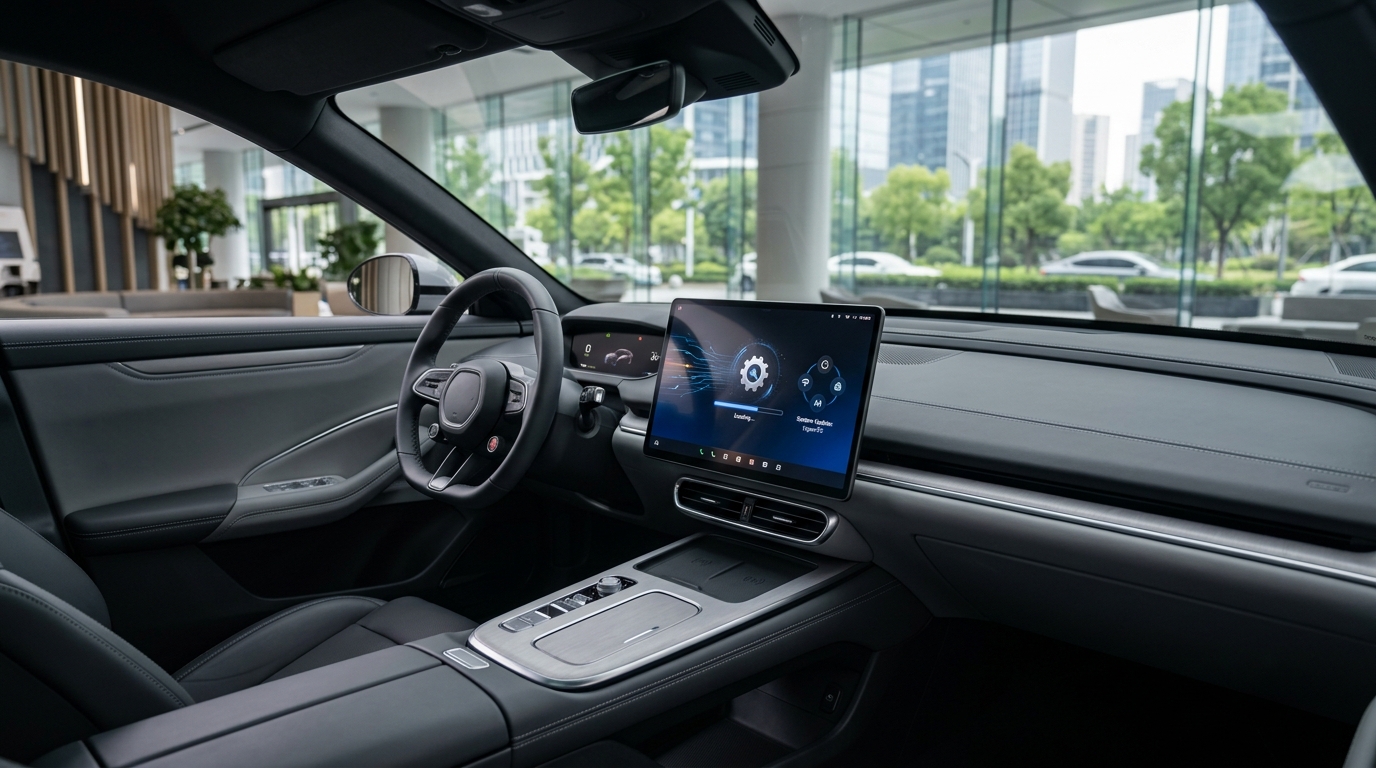
Owners of the SU7 often notice the difference in two distinct areas: cabin space and thermal efficiency. Because the battery is no longer a bulky “floor-mounted box” that requires extra clearance, Xiaomi has been able to lower the floor height, providing more legroom while maintaining a aerodynamic, low-slung silhouette. This aero-efficiency is a significant factor in highway-speed range retention.
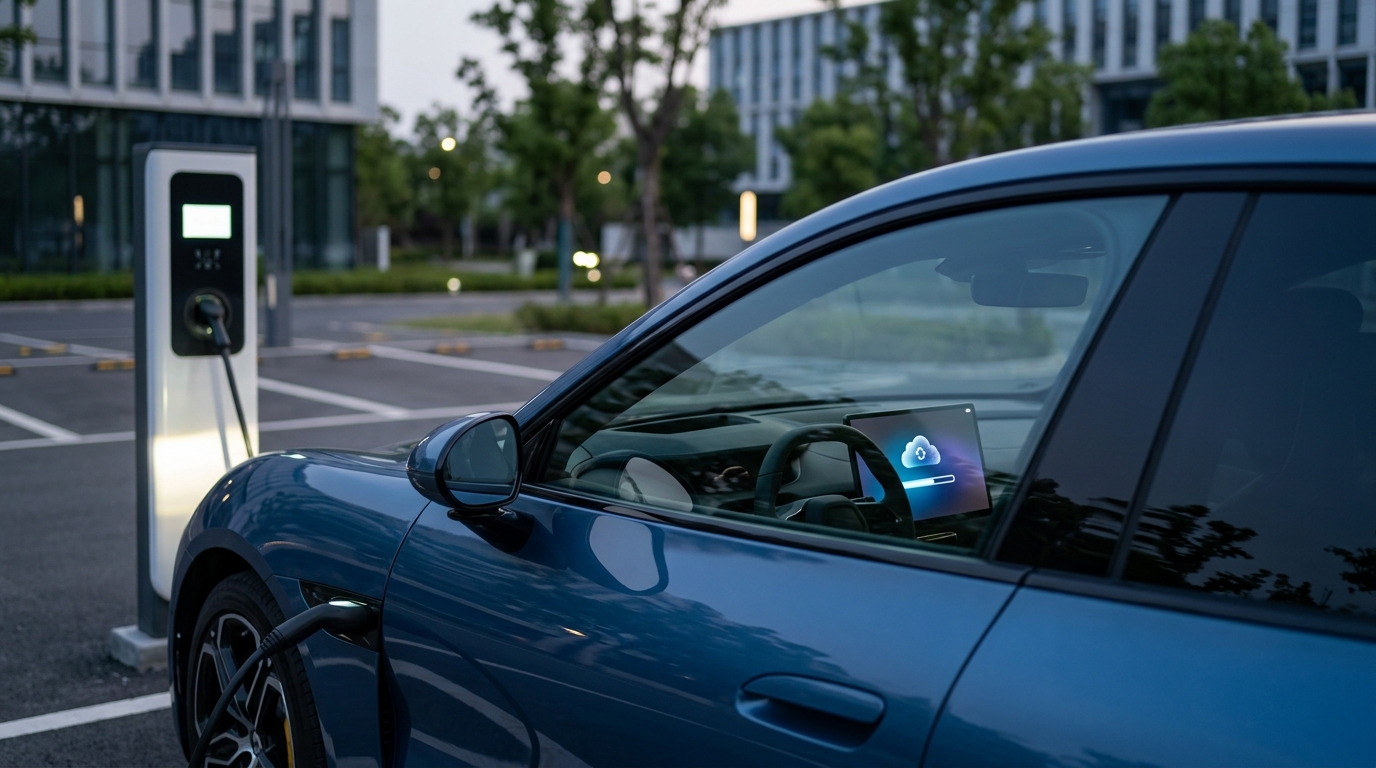
Furthermore, the thermal management system is more tightly integrated into the chassis structure. This allows for faster, more uniform cooling during high-speed DC fast charging sessions, reducing the time spent tethered to a charger at public stations. For commuters in extreme climates, this thermal regulation helps maintain a more consistent range regardless of the ambient temperature.
Points of Consideration for Buyers
While the benefits are clear, it is helpful to keep certain ownership aspects in mind regarding structural battery designs:
- Repairability: Because the battery is a structural component, major repairs to the battery pack may involve more complex procedures compared to traditional modular packs.
- Insurance Considerations: Prospective owners should check with their providers, as structural battery designs can sometimes influence repair cost estimates following significant collisions.
- Weight Distribution: The low center of gravity provided by CTC technology significantly improves handling, which may feel different than traditional SUVs or heavier sedans.
Editorial Disclaimer
This article is provided for educational and informational purposes only. Details regarding vehicle architecture and battery technology can change over time. Readers should verify specific model year capabilities, maintenance requirements, and insurance implications with official manufacturer documentation or qualified service centers before making purchasing decisions.