Xiaomi’s Global EV Roadmap: Beyond the SU7’s Domestic Success
With domestic demand for the Xiaomi SU7 reaching a level of predictable stability in 2026, the automotive arm of the tech giant is shifting its focus toward the complex logistics of international expansion. For U.S. and global observers, the central question is no longer whether Xiaomi can build a car, but how it intends to navigate the regulatory, supply chain, and competitive hurdles of a global automotive rollout.
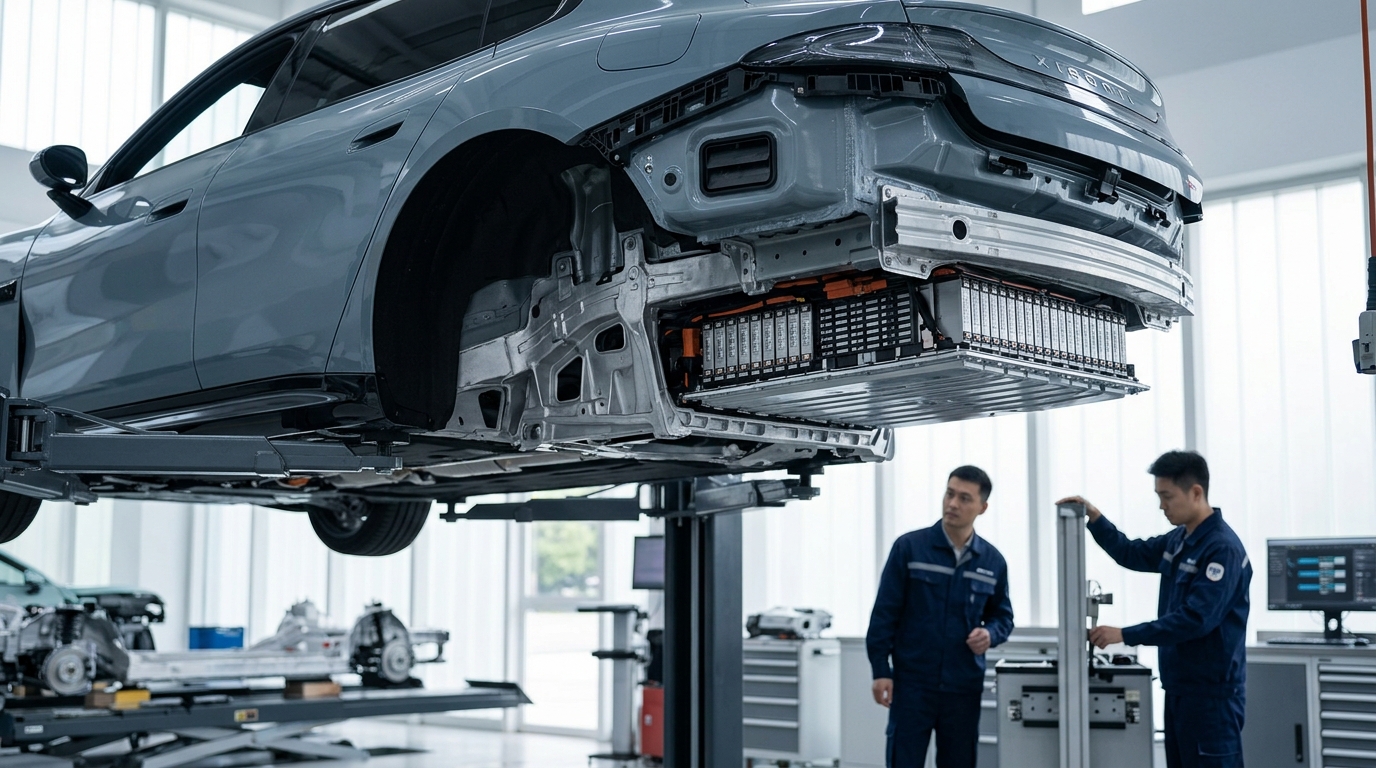
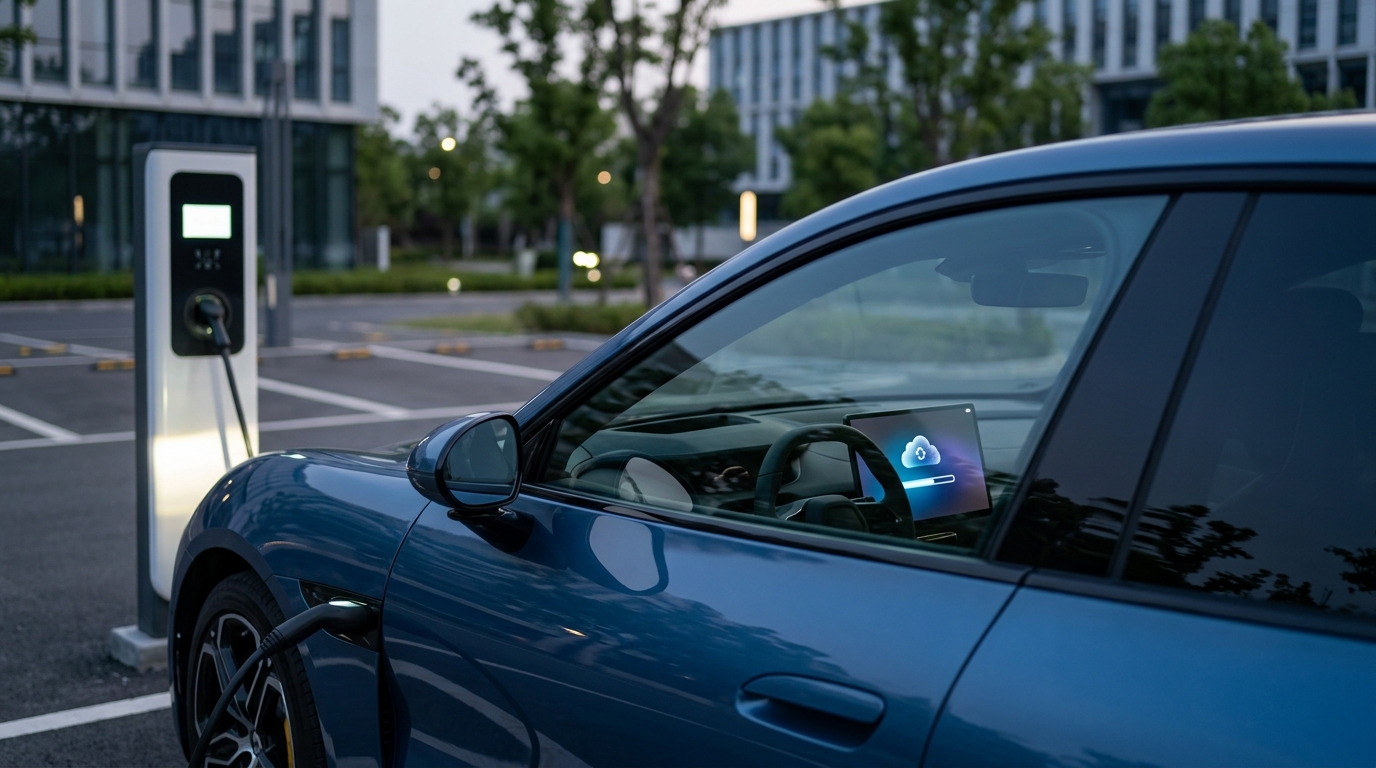
Entering markets outside of China requires more than just scaling production; it necessitates localized software compliance, adaptation to varied charging infrastructure, and navigating import tariffs that currently impact Chinese-manufactured electric vehicles. Unlike its domestic launch, which leaned heavily on the existing Xiaomi smartphone ecosystem, global entry will likely require a tiered approach to market entry.
Infrastructure and Software Compliance
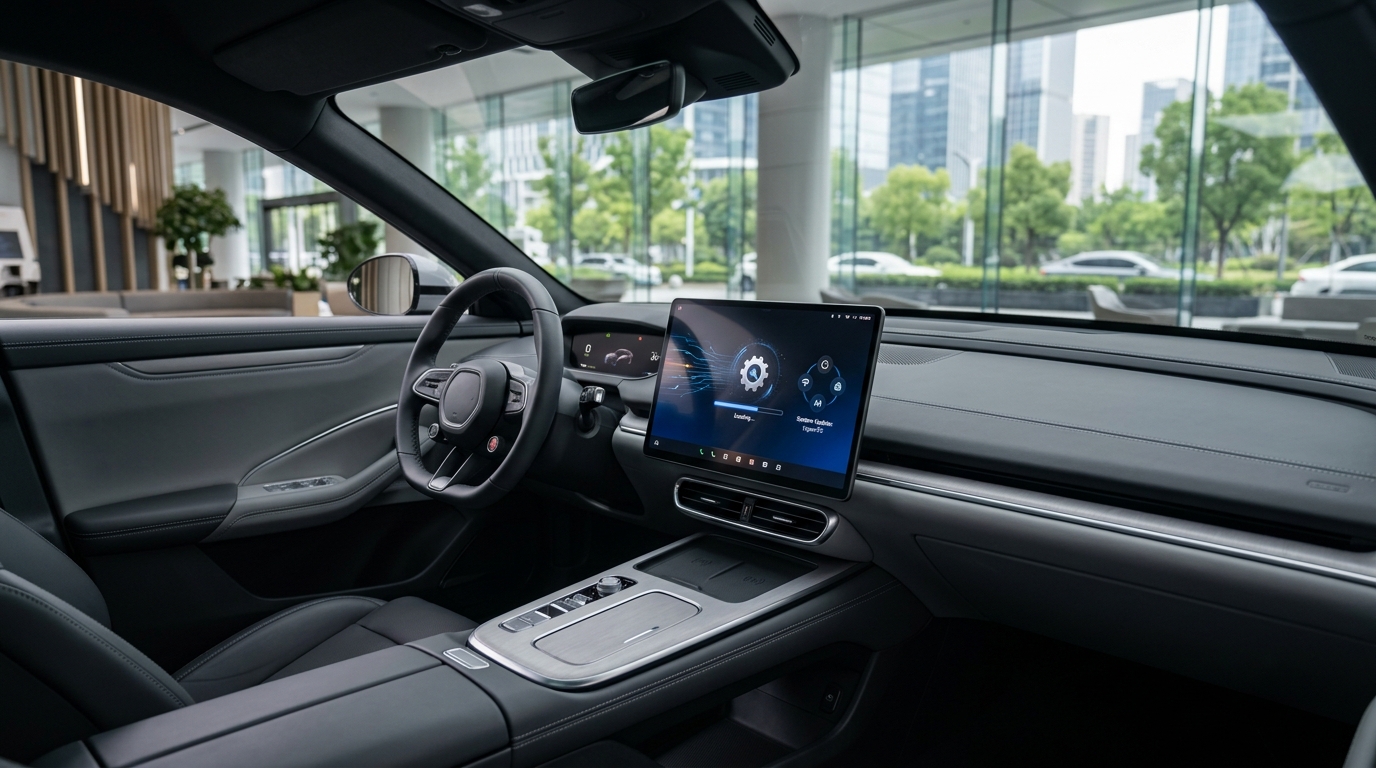
A primary challenge for Xiaomi’s global expansion involves the integration of its HyperOS ecosystem into foreign markets. In China, the seamless connection between the SU7 and Xiaomi devices is a key selling point. Adapting this for global users involves navigating strict data privacy regulations, such as the GDPR in Europe or evolving connectivity standards in North America. Future international models will need to be platform-agnostic to attract buyers who may use Apple or Google ecosystems instead of Xiaomi’s mobile lineup.
Targeting Key International Regions
While the company has not finalized its full global footprint, industry analysts point to three distinct phases for its international strategy:
- Southeast Asia and Middle East: Likely the first recipients of early export models due to lower regulatory barriers and growing demand for premium Chinese EVs.
- European Markets: High demand for performance-oriented EVs makes Europe a logical, though regulation-heavy, target. Expect a focus on safety certifications and charging network compatibility.
- North America: Currently the most challenging environment due to trade policies and established local competition like Tesla and legacy manufacturers.
Navigating Competitive Pricing
Xiaomi has successfully positioned the SU7 as a premium-yet-accessible performance sedan in China. To replicate this globally, the company must manage currency fluctuations and shipping costs without eroding the value proposition. If Xiaomi maintains its current pricing strategy, it faces direct competition from established premium brands that have decades of service infrastructure in place—an area where Xiaomi is still building its global foundation.
Strategic Outlook for Buyers and Fans
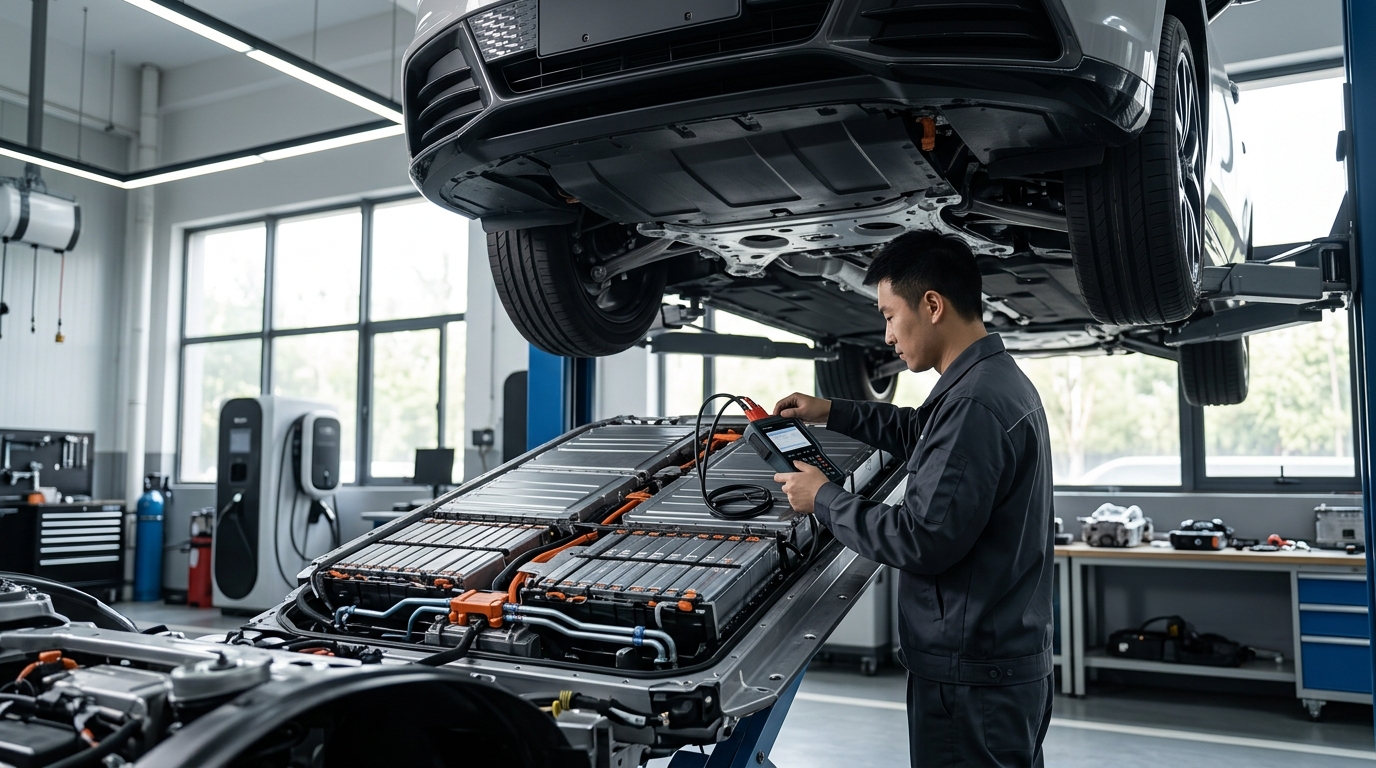
For enthusiasts and potential buyers, the next 12 to 24 months will be telling. Watch for news regarding localized service partnerships or the establishment of regional distribution centers. Xiaomi’s ability to provide timely software updates and reliable service parts will define its reputation outside of China more than its initial hardware specs ever could.
Editorial Disclaimer
This article is provided for educational and informational purposes only. Details regarding international expansion, market entry, and vehicle specifications can change over time. Readers should verify official announcements from Xiaomi Auto and consult with local automotive authorities before making purchasing decisions.