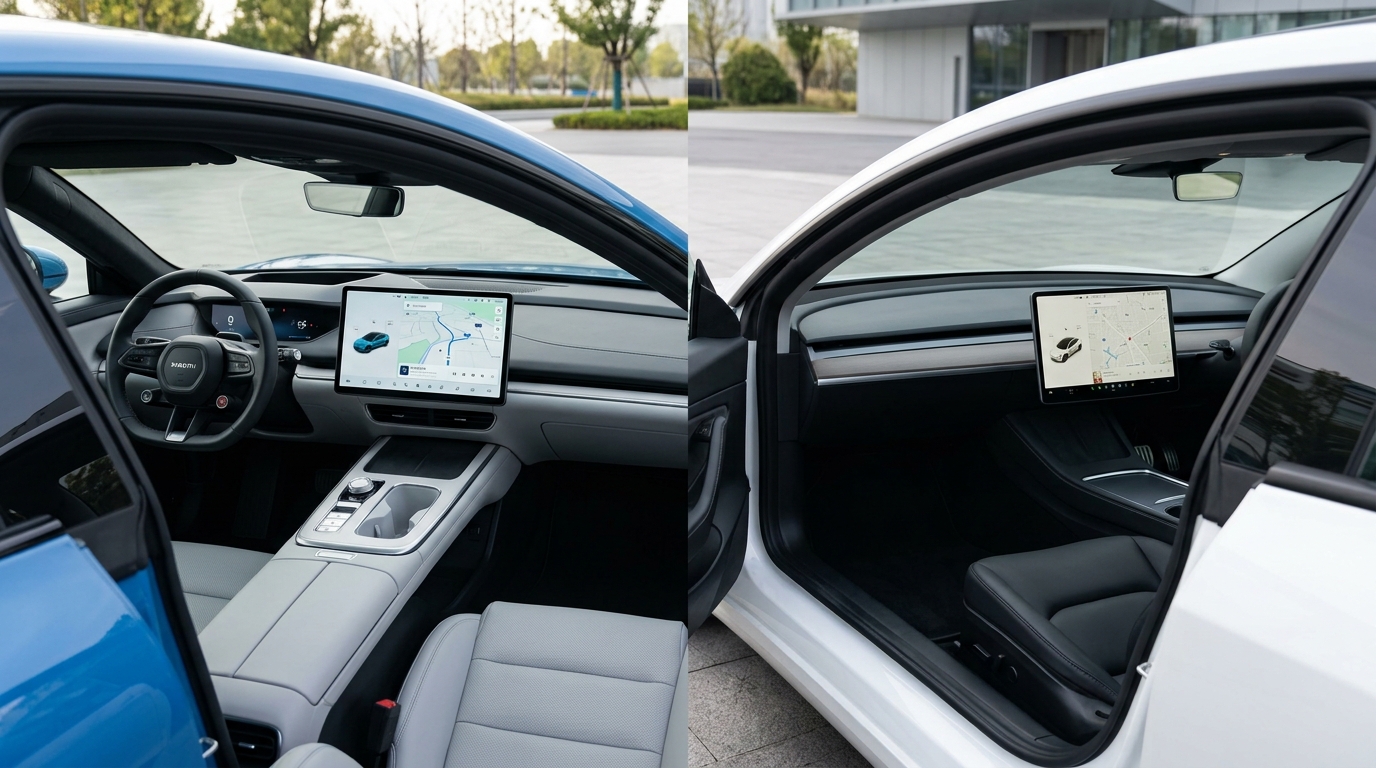
Xiaomi SU7 vs. Tesla Model 3: Which Tech Ecosystem Wins for New EV Buyers?
For many EV shoppers, the choice between the Xiaomi SU7 and the Tesla Model 3 often comes down to one fundamental question: do you prefer a dedicated, closed-loop automotive experience or a vehicle that functions as a seamless extension of your smartphone ecosystem?
As Xiaomi continues its global EV push, the SU7 has emerged as a direct contender in the performance-sedan segment. While Tesla has long defined the benchmark for software-first electric vehicles, Xiaomi brings a different perspective—leveraging its extensive history in consumer electronics and the HyperOS platform to create an environment that feels more like a mobile device than a traditional dashboard.
Software and User Interface Philosophy
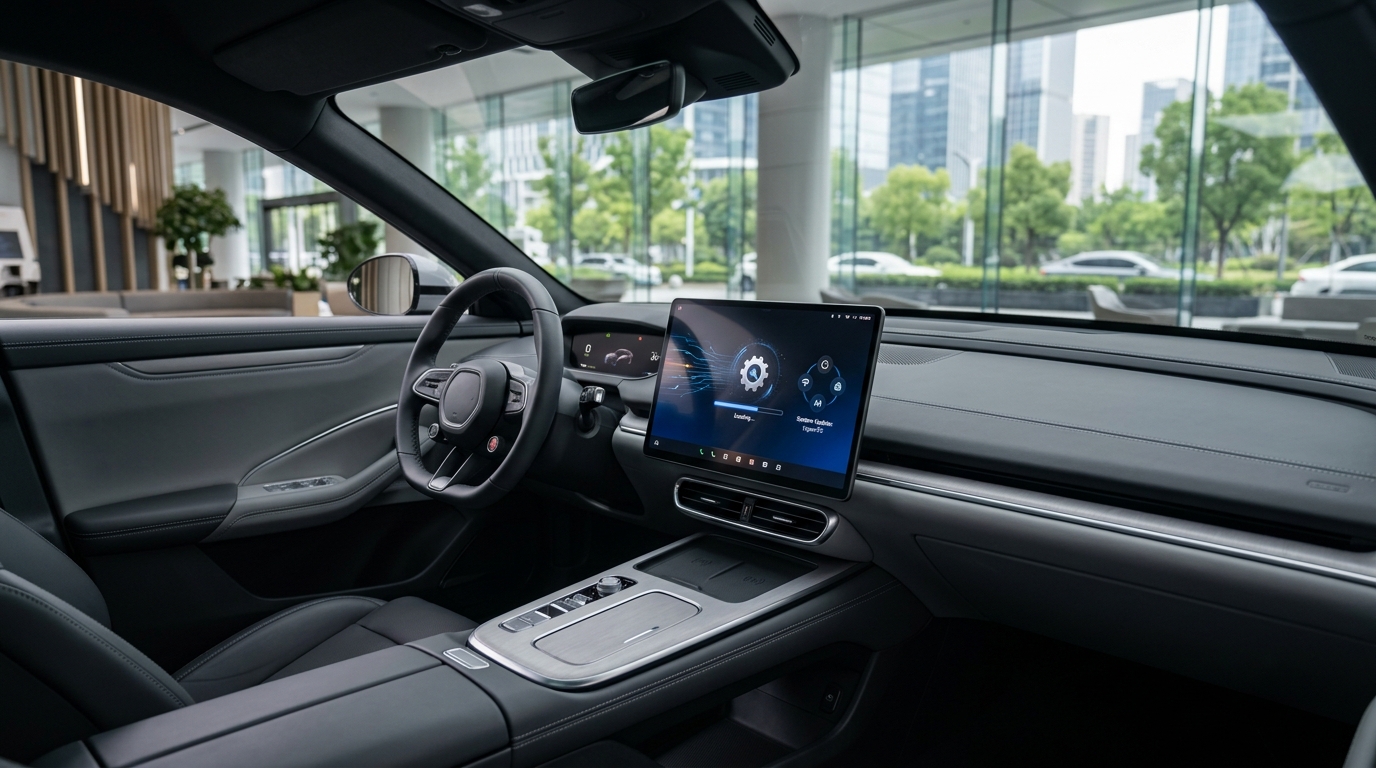
The core difference between these two sedans lies in their digital architecture. The Tesla Model 3 remains the gold standard for minimalist, centralized control. Almost every vehicle function is routed through the central touchscreen, which runs on Tesla’s proprietary software. It is highly optimized for the hardware but remains a walled garden; you use the Tesla ecosystem, or you don’t.
In contrast, the Xiaomi SU7 is built around the philosophy of “Human x Car x Home.” By integrating its HyperOS, the car is designed to mirror the interface and connectivity features found in Xiaomi’s smartphones and IoT devices. This allows for deeper mirroring, faster hand-offs between personal devices and the car’s infotainment system, and a level of customization that tech-heavy users often find lacking in the more rigid Tesla environment.
Performance and Range Considerations
While software creates the first impression, performance and efficiency remain the final word for buyers. Both vehicles offer impressive aerodynamic profiles that contribute to long-range capabilities, though their paths to achieving them differ.
| Feature | Xiaomi SU7 | Tesla Model 3 |
|---|---|---|
| Core Focus | Tech-integrated, HyperOS | Minimalism, Supercharger access |
| Ecosystem | Deep smartphone/IoT linkage | Tesla-only closed loop |
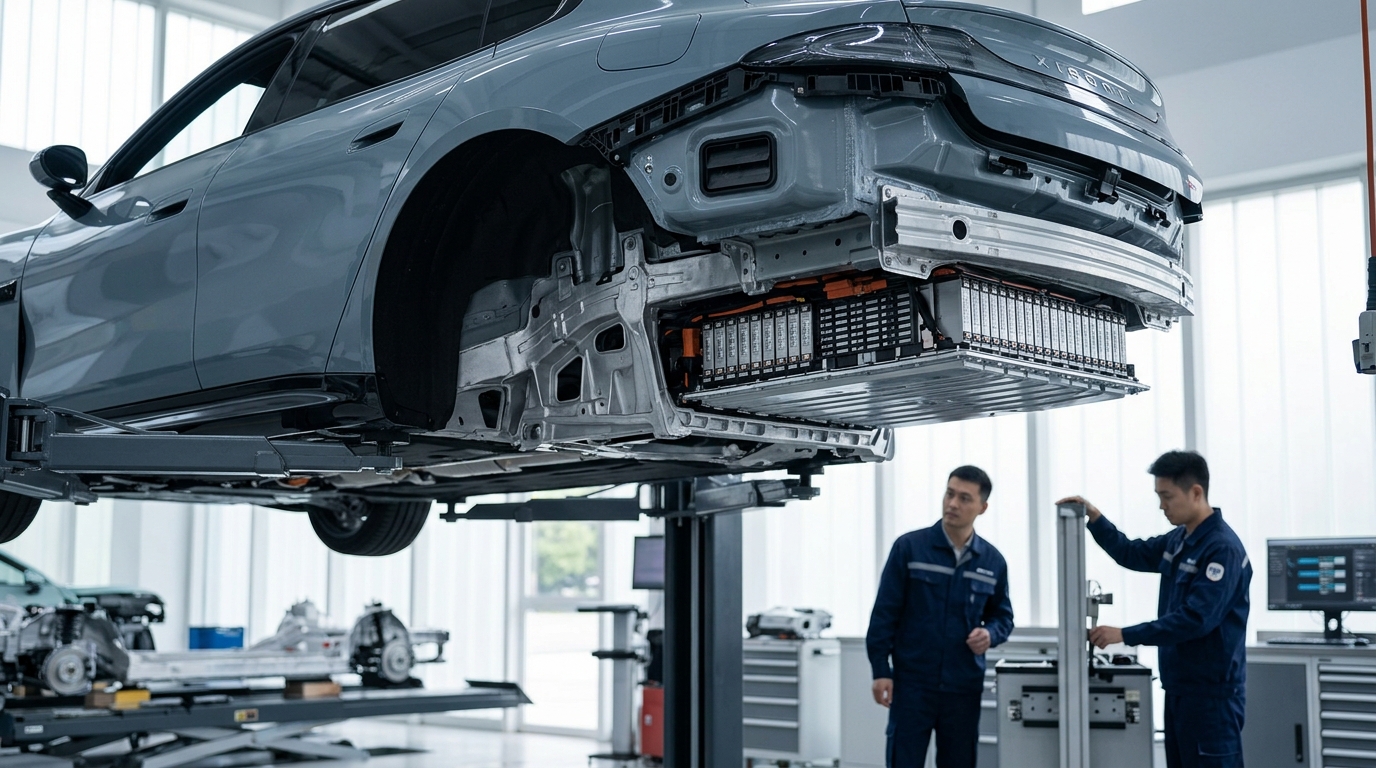
| Charging Tech | 800V-class architecture | 400V architecture |
Ownership and Ecosystem Realities
For buyers in markets where Xiaomi is currently available, the SU7 presents a compelling argument for those already invested in the Xiaomi product family. The ability to control home smart devices—such as lights or thermostats—directly from the car’s head unit provides a level of convenience that Tesla’s current software stack does not natively support.
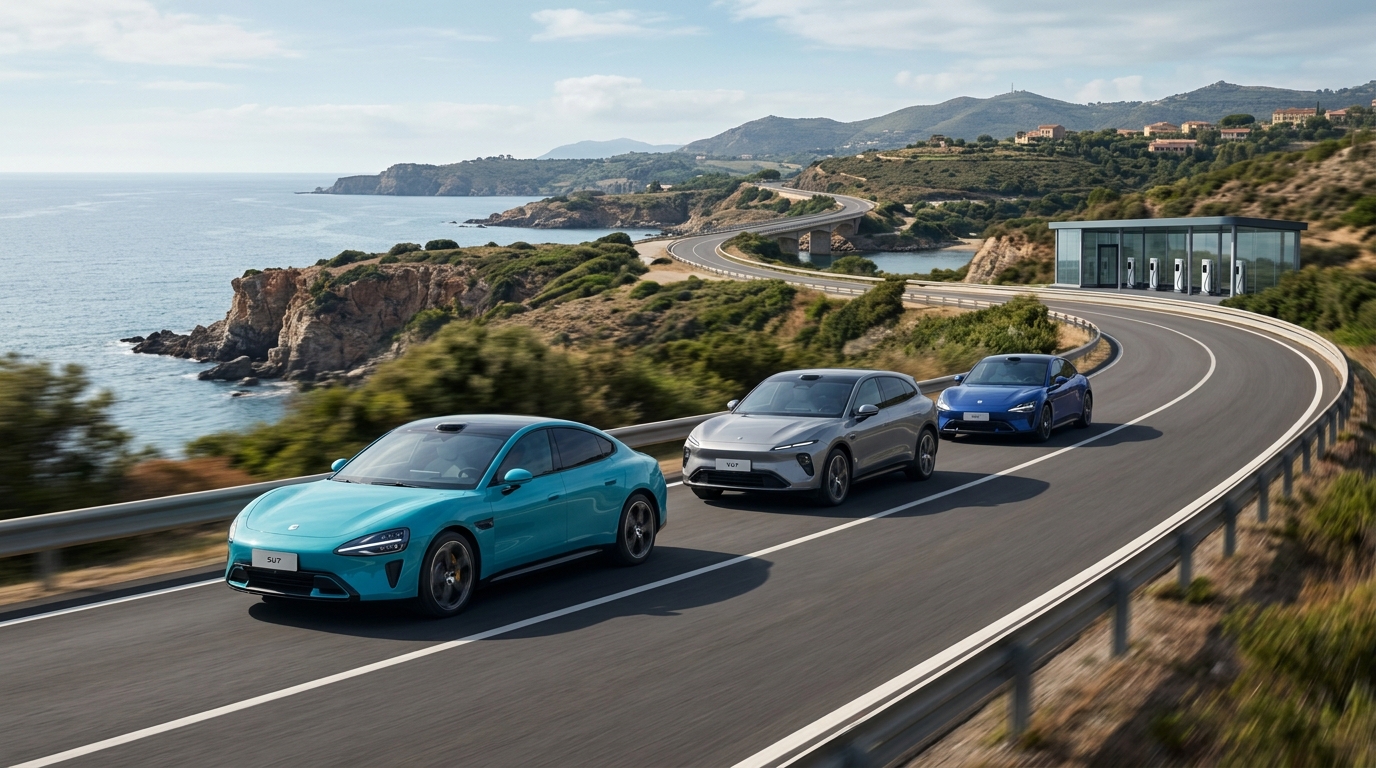
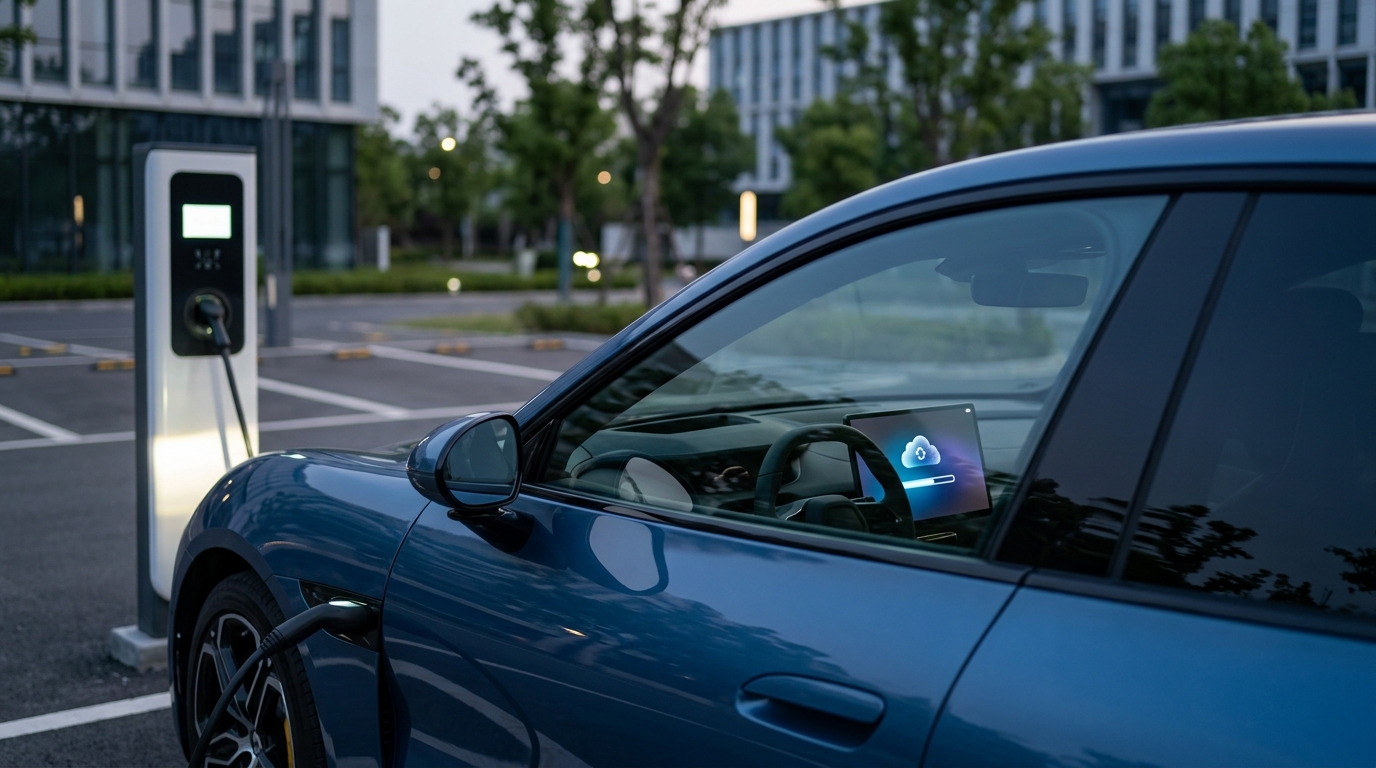
Tesla, however, maintains a significant advantage in infrastructure. The maturity of the Supercharger network and the established resale value of the Model 3 continue to be critical factors for commuters who need high reliability and low-stress long-distance travel. The SU7’s 800V-class charging architecture is designed to rival top-tier EV performance, but it relies on an infrastructure landscape that is still growing in scope outside of China.
Buyer Takeaway
Choosing between these two models depends on what you value more during your daily commute. If you are a performance-focused driver who wants the most established charging network and a proven software interface, the Tesla Model 3 remains a difficult rival to beat. If you are a tech enthusiast who wants your vehicle to be a literal extension of your digital home and smartphone, the Xiaomi SU7 offers an alternative that challenges the traditional definition of a car’s infotainment system.
Editorial Disclaimer
This article is provided for educational and informational purposes only. Vehicle specifications, software features, and market availability for the Xiaomi SU7 and Tesla Model 3 vary significantly by region and production date. Readers should verify local dealer information and official manufacturer specifications before making any purchase decisions.