Xiaomi SU7 Service Updates: Understanding the Latest Software-Driven Recall Protocol
For Xiaomi SU7 owners, the line between a traditional mechanical recall and a digital service update is blurring. As vehicles become increasingly software-defined, Xiaomi has shifted toward an Over-the-Air (OTA) delivery model for managing vehicle optimizations and safety-related patches, changing how owners should prepare for and respond to maintenance notifications.
Understanding this process is essential for maintaining vehicle performance and safety compliance. Unlike legacy automotive recalls that always require a physical dealership visit, many of the recent adjustments for the SU7 are addressed through HyperOS updates, though some specific hardware-related concerns still necessitate an in-person inspection.
Distinguishing Between OTA Updates and Physical Recalls
Xiaomi categorizes its service interventions based on the depth of the required fix. For the SU7, these are generally split into two distinct channels:
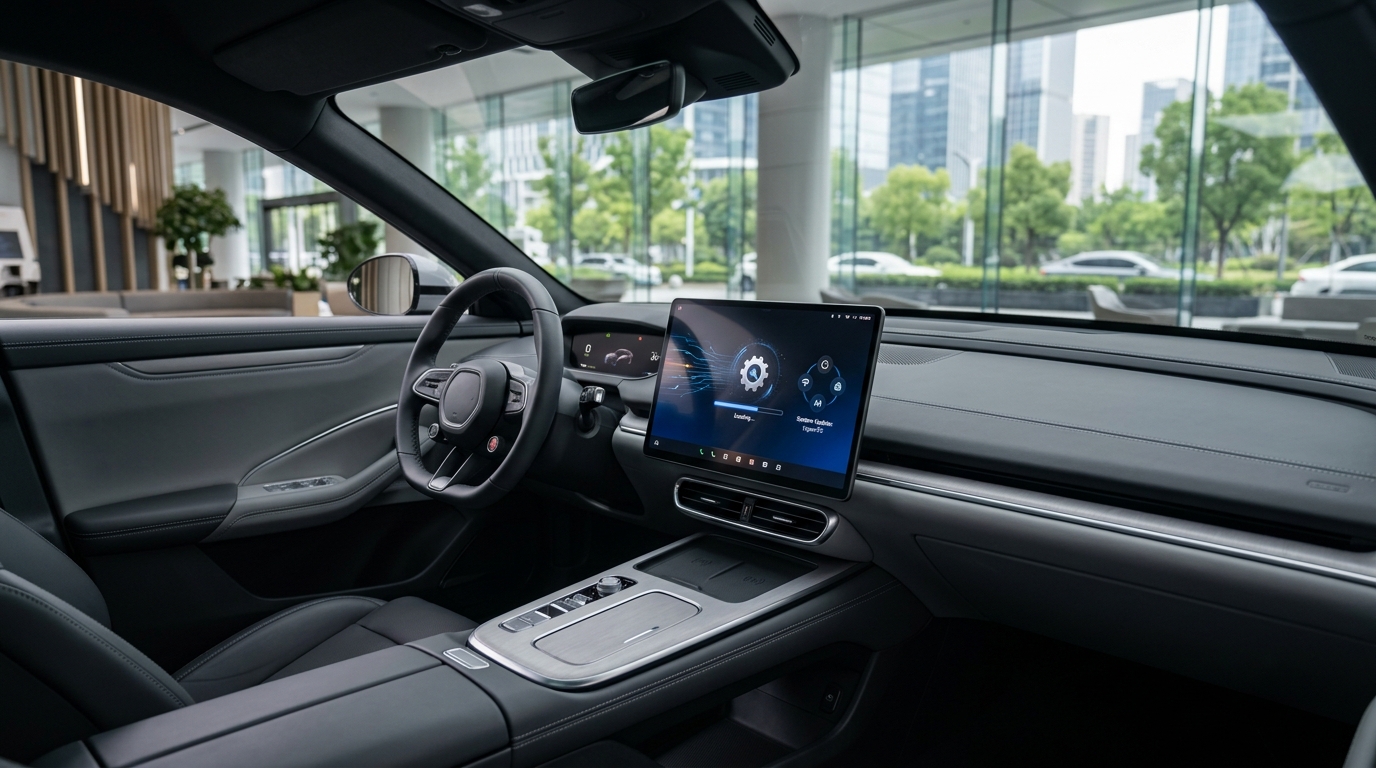
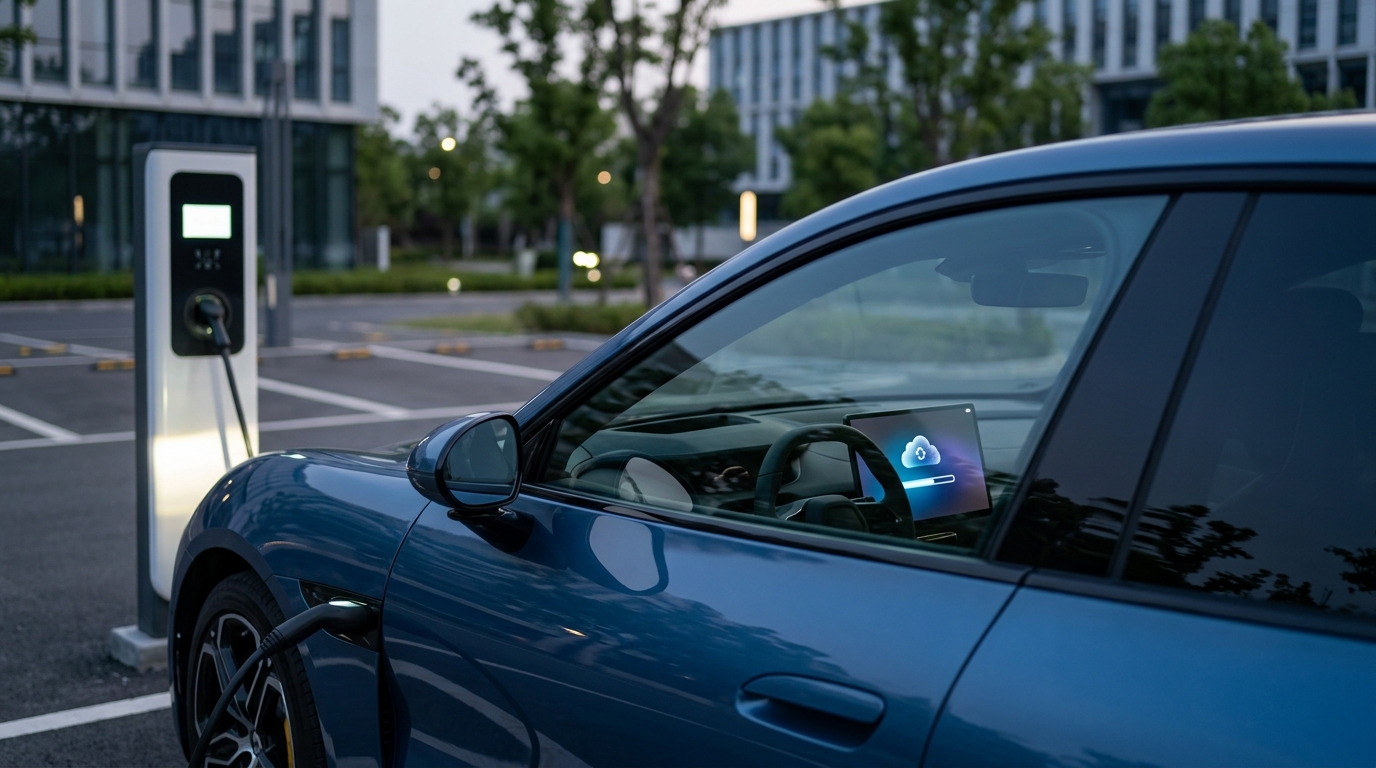
- Digital Service Patches (OTA): These address software-based optimizations, such as tweaks to the autonomous driving compute, battery management algorithms, or cabin UI responsiveness. Owners typically receive these as notifications on the vehicle display or through the smartphone app.
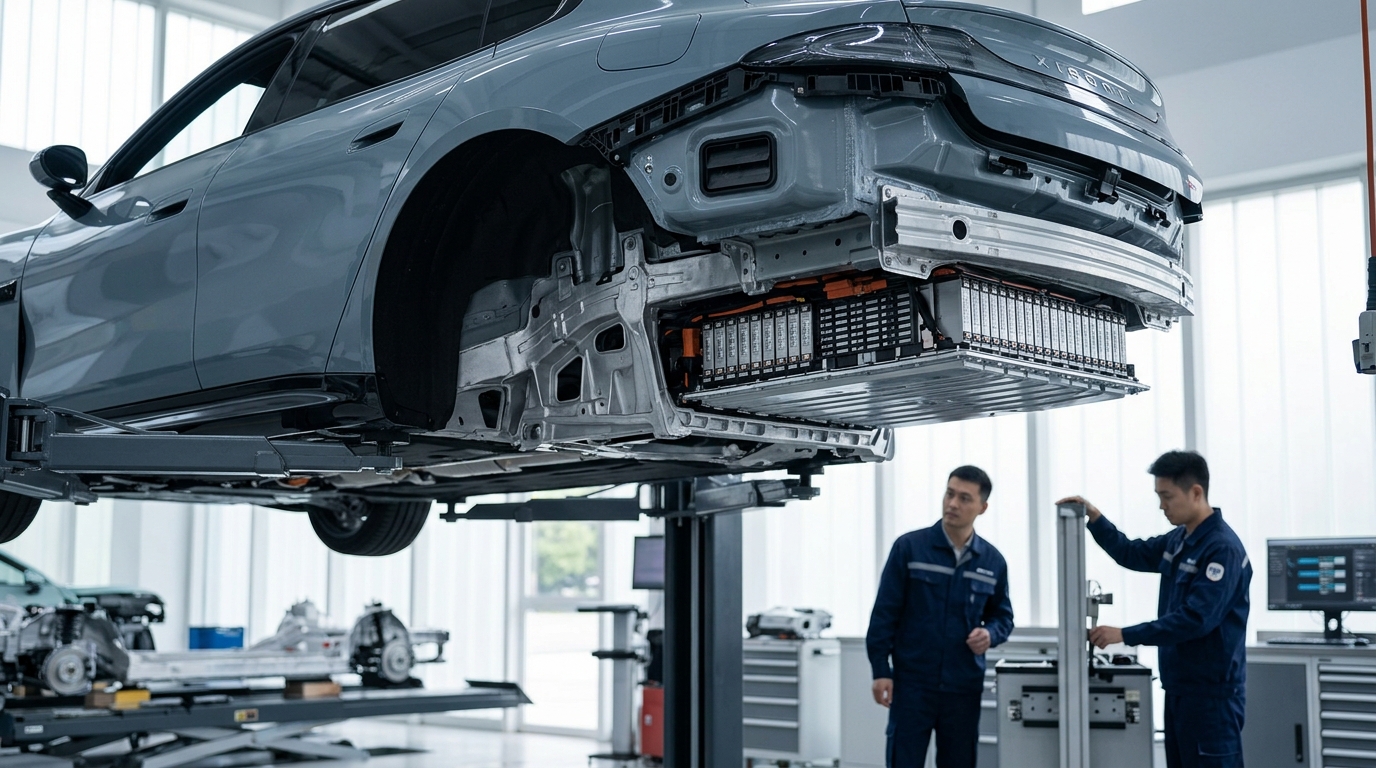
- Hardware-Related Recalls: If an investigation identifies a component that requires physical replacement—such as a specific brake caliper batch, sensor harness, or battery cooling connection—the update cannot be delivered digitally. In these instances, Xiaomi requires a scheduled visit to an authorized service center.
Managing Your Vehicle’s Software Health
To ensure your SU7 remains fully compliant with the latest safety standards, owners should maintain active connectivity for their vehicle’s telemetry system. While Xiaomi’s HyperOS allows for seamless background downloads, ignoring these prompts can lead to a backlog of optimization patches that may affect everything from charging efficiency to driver-assistance reliability.
If you suspect your vehicle is subject to an open recall, the most reliable method to verify status is through the official Xiaomi Auto app or by checking your VIN on the manufacturer’s regional portal. Dealers are equipped to provide a comprehensive printout of both completed software campaigns and any pending hardware actions.
Buyer Takeaway for Prospective SU7 Owners
When shopping for a used or pre-owned Xiaomi SU7, the documentation of service updates is as important as the vehicle’s physical condition. Ensure that the previous owner has provided a clear record of any completed safety recalls. Because many SU7 updates are logged digitally, a quick check of the vehicle’s service history via the official app during a pre-purchase inspection can reveal if any critical safety patches were skipped or if there are outstanding hardware fixes pending.
Editorial Disclaimer
This article is provided for educational and informational purposes only. Details can change over time, so readers should verify important information with official sources, qualified professionals, manufacturers, publishers, or relevant authorities before making decisions.