Xiaomi YU7 backlog appears to be easing as March deliveries jump
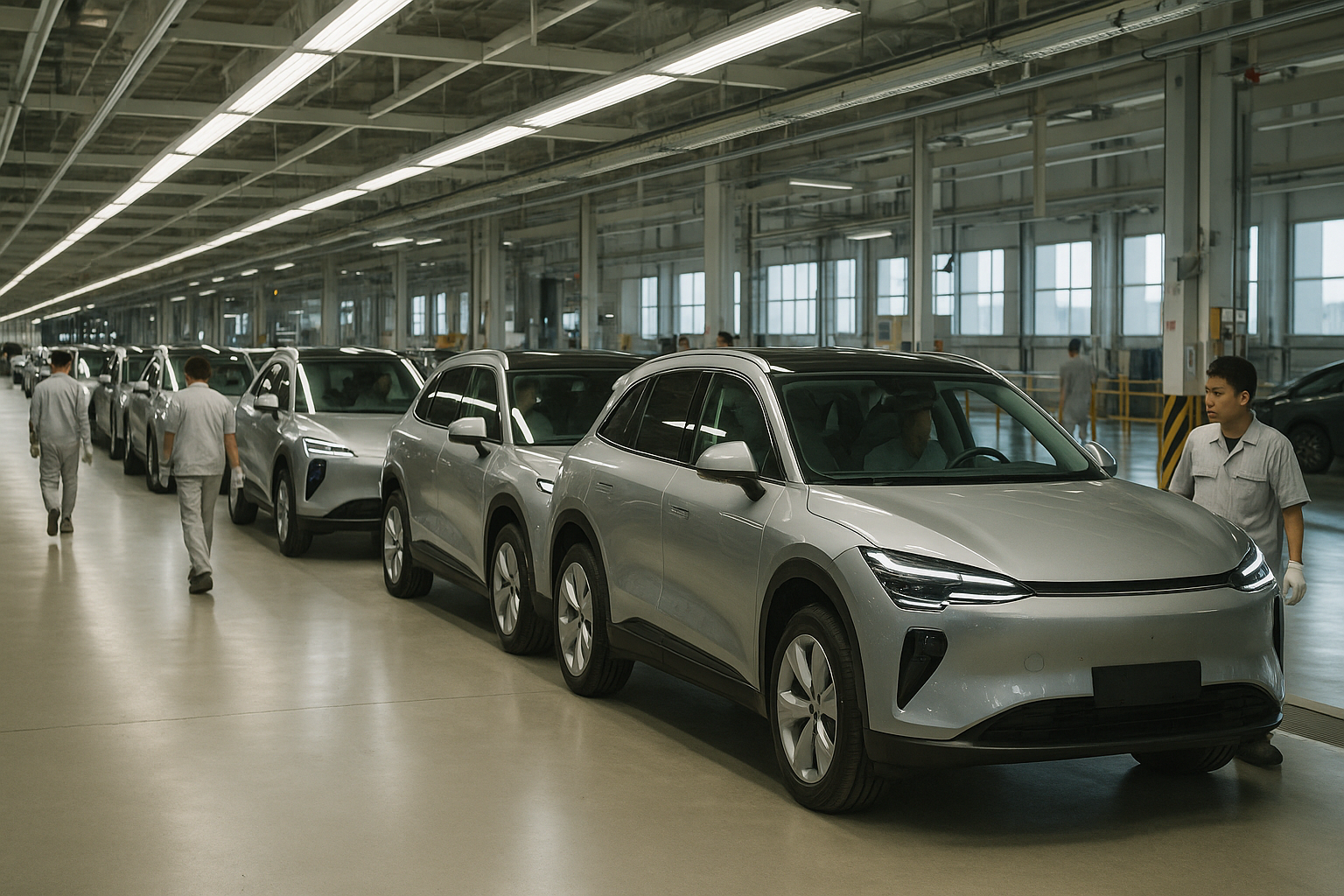
Xiaomi Auto’s March 2026 delivery figures point to an important shift for the YU7 electric SUV: the huge backlog built after launch appears to be easing. The development matters because the YU7’s early sales were constrained less by demand than by Xiaomi’s ability to build and hand over cars at scale.
March deliveries suggest Xiaomi is catching up to YU7 demand
On April 2, 2026, Xiaomi reported more than 20,000 vehicle deliveries for March, a result that came after a January peak of 37,869 vehicles and a period in which the YU7 accounted for the overwhelming majority of the company’s output. Industry reporting based on those figures says the pattern is consistent with a backlog that is now materially smaller than it was in the months immediately after launch.
The YU7, Xiaomi’s first electric SUV, was launched on June 26, 2025, and quickly drew demand that far outpaced initial supply. That imbalance pushed delivery waits into the long term and turned Xiaomi’s production ramp into one of the most closely watched operational tests in China’s EV market.
What the production reset changes for the YU7
If the March trend holds, Xiaomi is moving from a launch-phase bottleneck toward a more normal delivery cadence. That shift is commercially important because it determines how quickly the company can convert reservations and orders into revenue, and how effectively it can defend the YU7 against rivals in the highly competitive electric SUV segment.
It also suggests Xiaomi’s Beijing EV manufacturing operation is becoming more efficient after a year defined by rapid scale-up. For buyers, the practical implication is shorter waits and a clearer path from order to handover, although Xiaomi has not said the YU7 is free of delays.
Xiaomi’s EV story now depends on throughput, not attention
The YU7 generated strong interest from the moment it reached the market, but the central question has shifted. Instead of whether Xiaomi could attract demand, the issue now is whether it can sustain production volume without losing momentum. March’s delivery tally is an early sign that the company is improving on that front, even as it remains under pressure to keep pace with the demand it created.
Source: CarNewsChina
Date: 2026-04-02T00:00:00Z