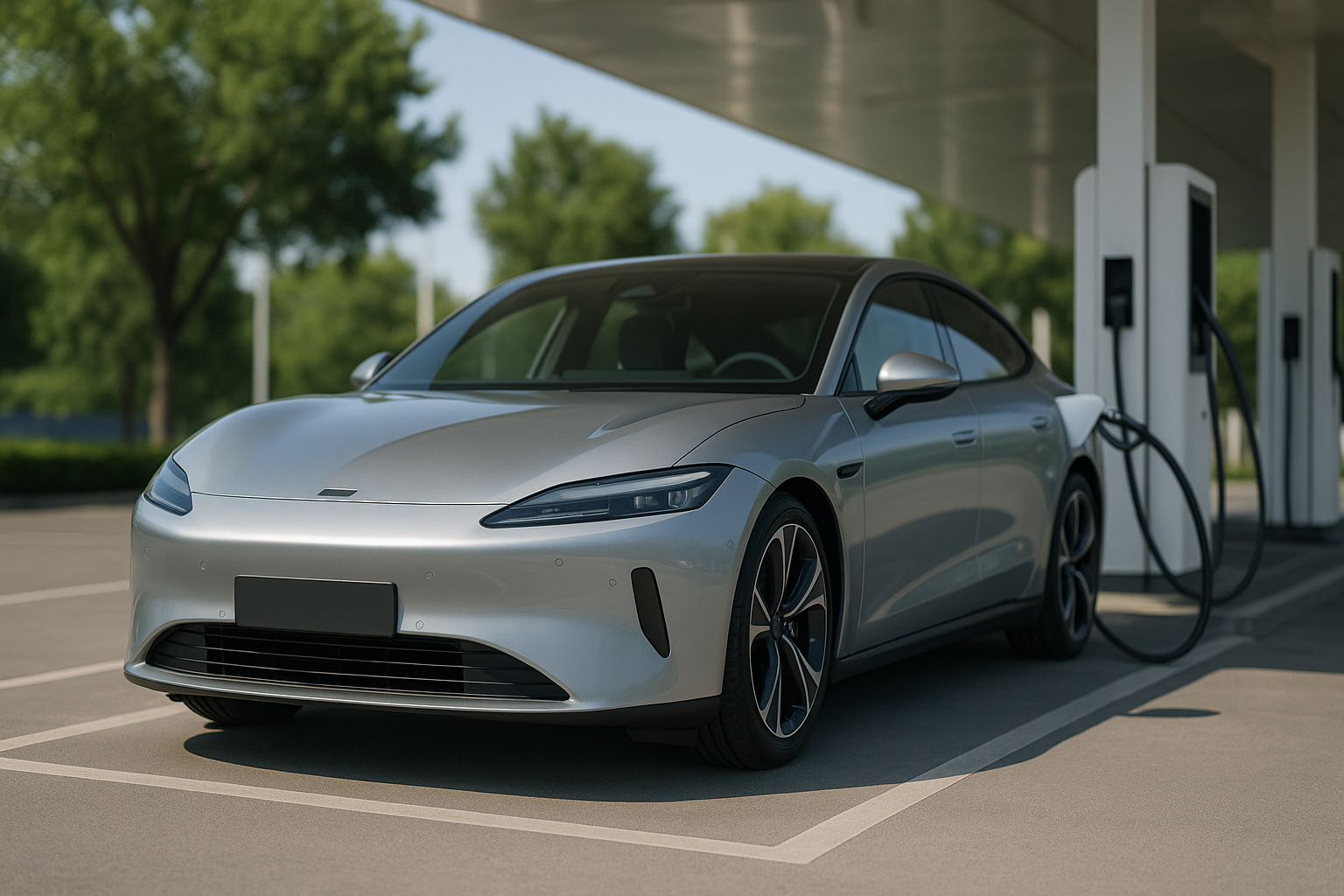
Xiaomi’s updated SU7 goes on sale with standard LiDAR and faster charging across the lineup
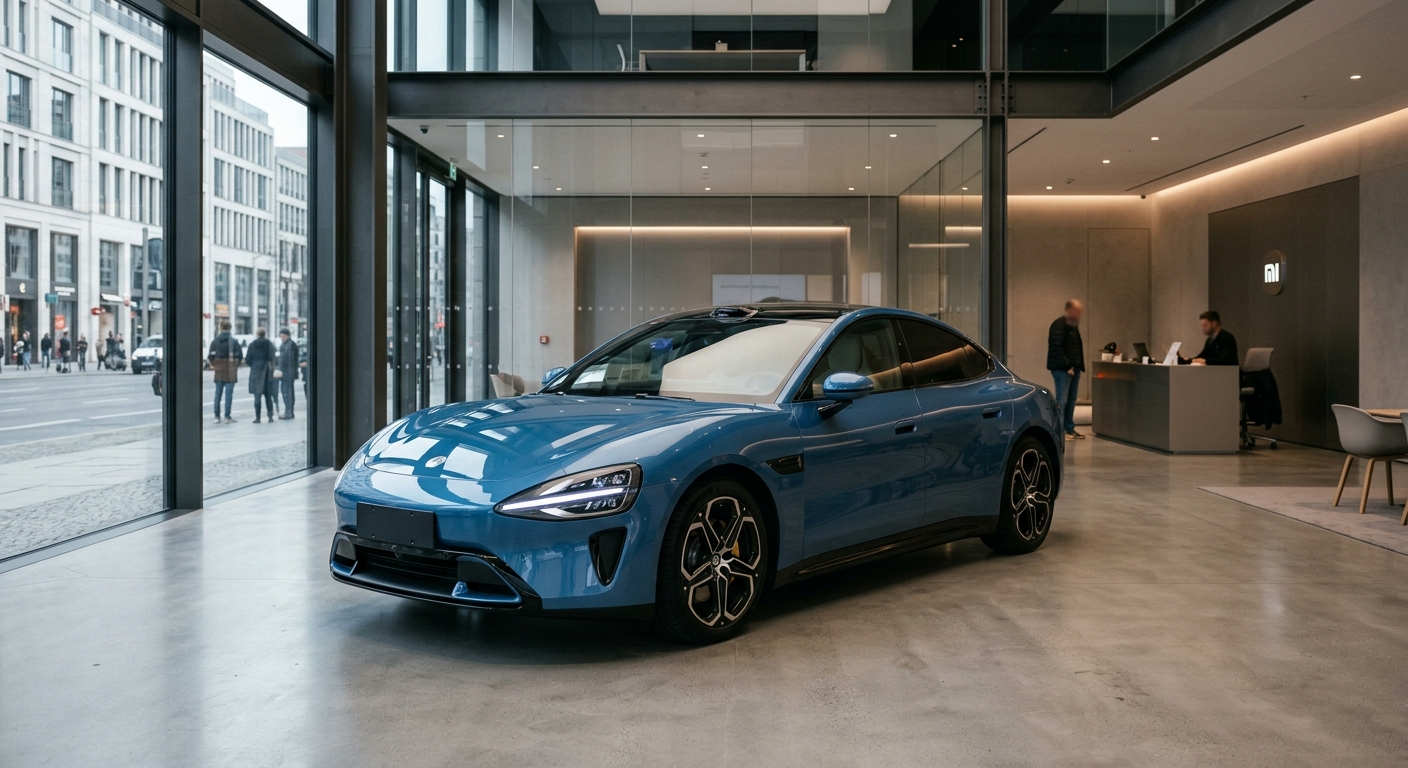
Xiaomi has started putting its updated SU7 sedan in front of buyers, and the most important changes are the kind enthusiasts actually notice: standard LiDAR, an 800-volt electrical architecture, and a faster-charging, revised powertrain lineup. The refresh keeps the SU7’s basic fastback sedan shape, but it sharpens the car where it counts—sensing, electrical hardware, and long-distance usability.
LiDAR now comes standard on the Xiaomi SU7
The headline hardware change is the move to standard LiDAR across the updated SU7 family. That shifts the sedan from a technology showcase into something closer to Xiaomi’s mainstream high-end EV statement, with the sensor suite now built into the car’s core specification rather than reserved for select versions.
That matters because the SU7 has always been sold on the idea that a phone giant can engineer a serious car, not just a connected one. Standardizing LiDAR suggests Xiaomi is using the refresh to simplify the lineup while pushing the car’s driver-assistance hardware closer to the top of the segment.
800-volt architecture and quicker charging give the sedan a stronger technical base
Alongside the sensor upgrade, Xiaomi has moved the updated SU7 to an 800-volt electrical architecture. In practice, that is the sort of change that affects everyday ownership more than spec-sheet bragging rights, since a higher-voltage system can support faster charging and reduce the time the car spends plugged in.
The refreshed sedan also arrives with revised battery and range figures depending on version, and Xiaomi has positioned the car as a more capable long-distance EV than the earlier model. The exact numbers vary by trim, but the engineering direction is clear: more efficiency from the same basic shape, with charging and thermal management treated as core selling points rather than afterthoughts.
Why the SU7 refresh matters for shoppers in China
For buyers, the update tightens the SU7’s appeal in a crowded Chinese EV market where hardware moves quickly and specification inflation is routine. A sedan that combines strong performance credentials with faster charging and a more advanced driver-assistance sensor suite is better placed to compete with established premium EV nameplates and fast-rising domestic rivals.
It also shows Xiaomi is treating the SU7 as a living product rather than a one-shot launch. That matters for shoppers waiting on the car, because software-and-hardware revisions of this kind can change the real ownership pitch: less charging downtime, more advanced sensing, and a sharper value equation if the updated car stays priced near the original model’s range.
The broader Xiaomi EV program is still centered on the SU7
The refreshed sedan remains the brand’s most important showroom car, even as Xiaomi expands beyond its first EV. For now, the SU7 is still the model that defines how seriously the market takes Xiaomi as an automaker, and this update reinforces that the company is willing to spend engineering effort on the sedan instead of relying on launch momentum alone.
That makes the SU7 refresh more than a cosmetic mid-cycle tweak. It is a cleaner, more technical version of the same car, aimed at keeping Xiaomi competitive in the part of the market where range, charging speed, sensing hardware, and road feel all matter at once.
Source: CarNewsChina
Date: 2026-01-07