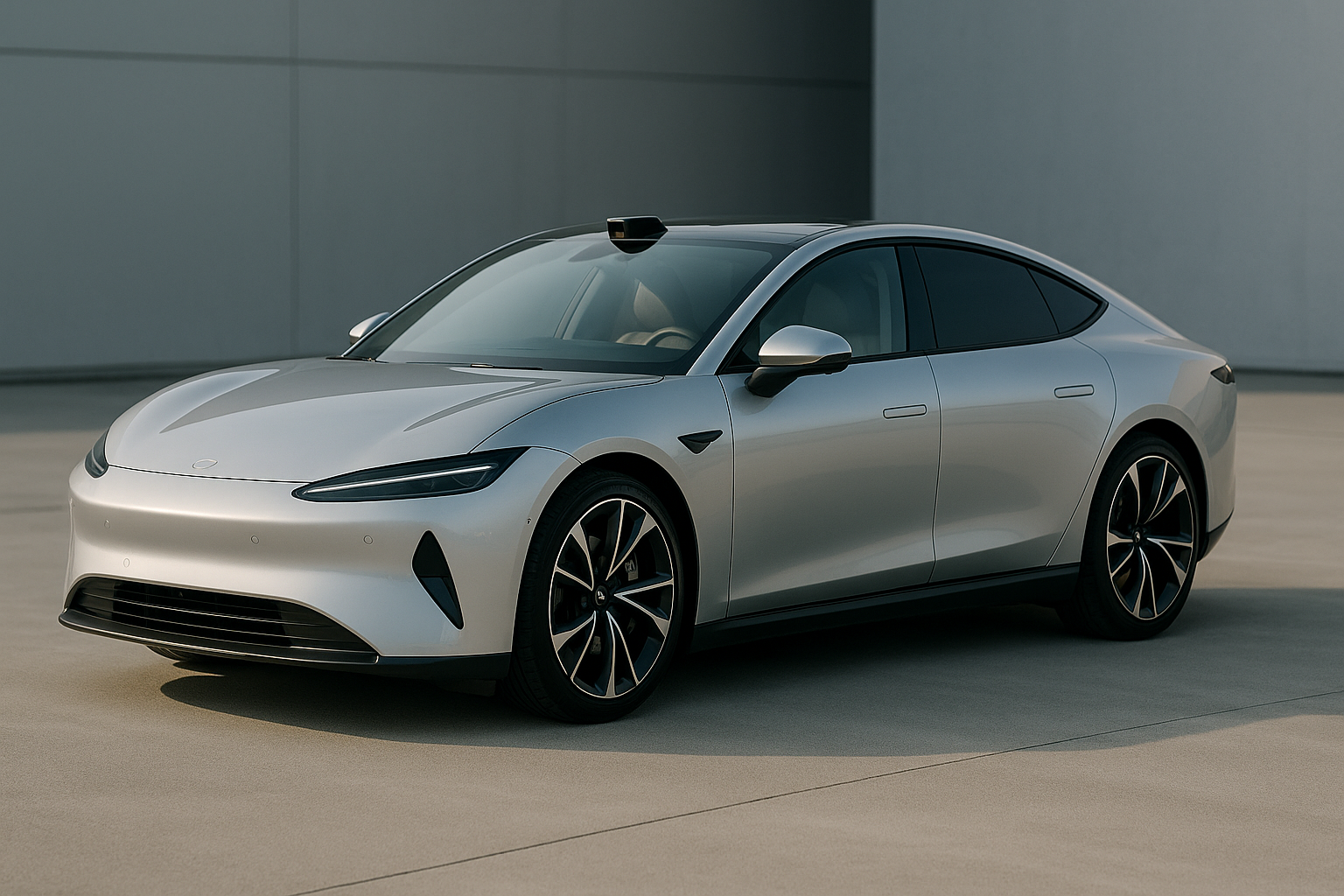
Xiaomi’s updated SU7 lands with standard LiDAR, 800V-class hardware and up to 902 km of range
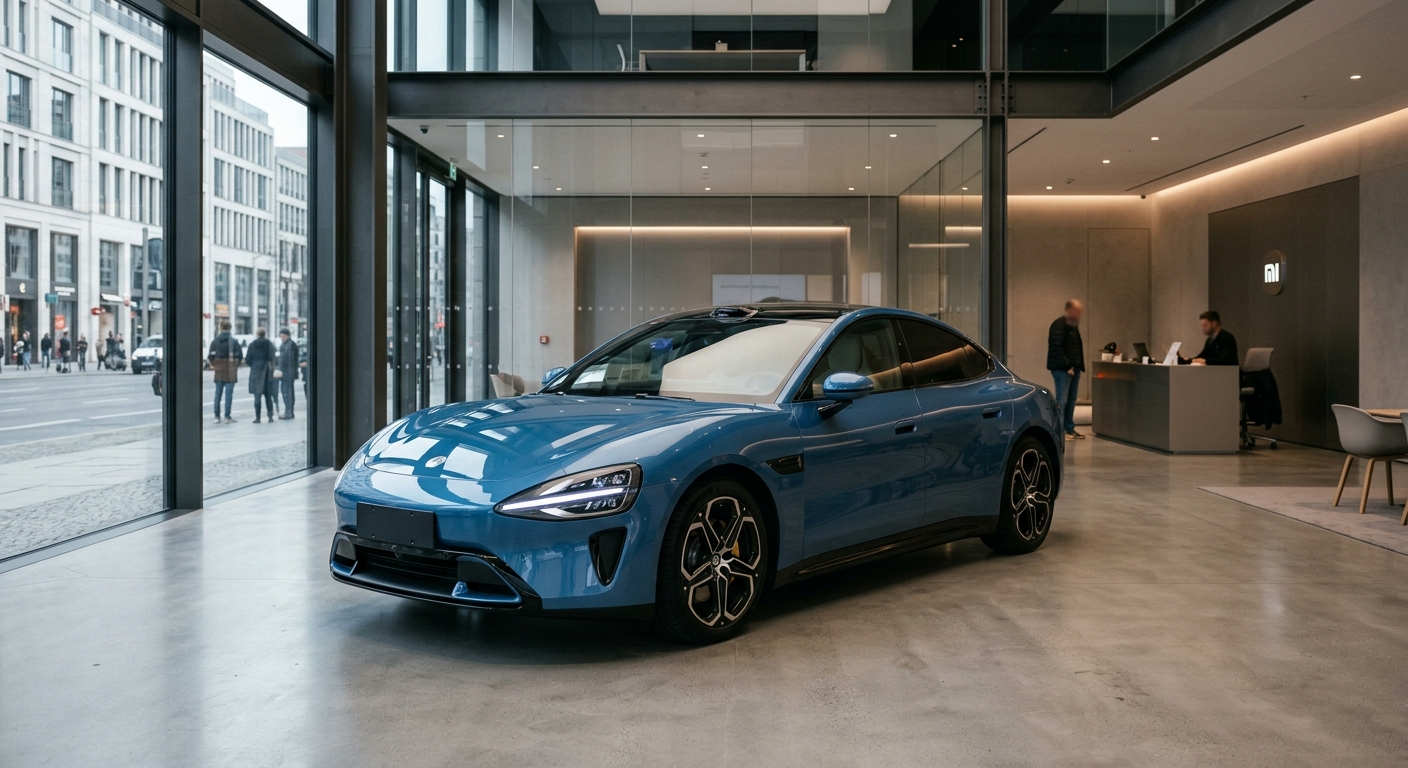
Xiaomi’s revised SU7 is no longer just a fast-follow sedan from a consumer-tech giant. The 2026 update puts more of the car’s expensive hardware on the standard list, including LiDAR across the lineup, while stretching the Pro trim’s claimed CLTC range to 902 km and giving the car a broader technical reset for China’s cutthroat EV market.
Standard LiDAR turns the SU7 into a more complete package
The biggest change is that Xiaomi now fits LiDAR, a 4D millimeter-wave radar and Nvidia’s Thor-U compute platform to every 2026 SU7, not just the more expensive versions. The setup supports Xiaomi’s driver-assistance system and gives the sedan the kind of sensor and compute stack that was once reserved for top trims.
That move matters because it changes the value proposition of the SU7 more than any cosmetic tweak. Buyers looking at the Standard or Pro versions are no longer being asked to step up to a higher trim simply to get the core hardware for advanced driver assistance.
Up to 902 km of CLTC range and an 800V-class electrical system
Xiaomi says the updated SU7 Standard uses a 73 kWh LFP battery with 720 km of CLTC range, while the SU7 Pro gets a larger 96.3 kWh LFP pack rated at 902 km. The SU7 Max sits at the top of the lineup with a 101.7 kWh ternary lithium battery and 835 km of range. Output rises to 235 kW in the Standard and Pro trims, while the Max is rated at 508 kW.
The company also describes the sedan as using a high-voltage system spanning 752V to 897V depending on variant, which it presents as an 800V-class architecture. For shoppers, that should translate into quicker charging potential and a more modern electrical backbone, even if real-world charging results will depend on infrastructure and conditions.
Dragon Chassis revisions sharpen the sedan’s road manners
Xiaomi is also leaning harder into the chassis story. The updated SU7 keeps its fastback shape and stretches 4,997 mm long on a 3,000 mm wheelbase, but it now rides on what the company calls a Dragon Chassis setup with a front double-wishbone suspension and rear five-link layout. Higher trims add dual-chamber air suspension with adaptive damping.
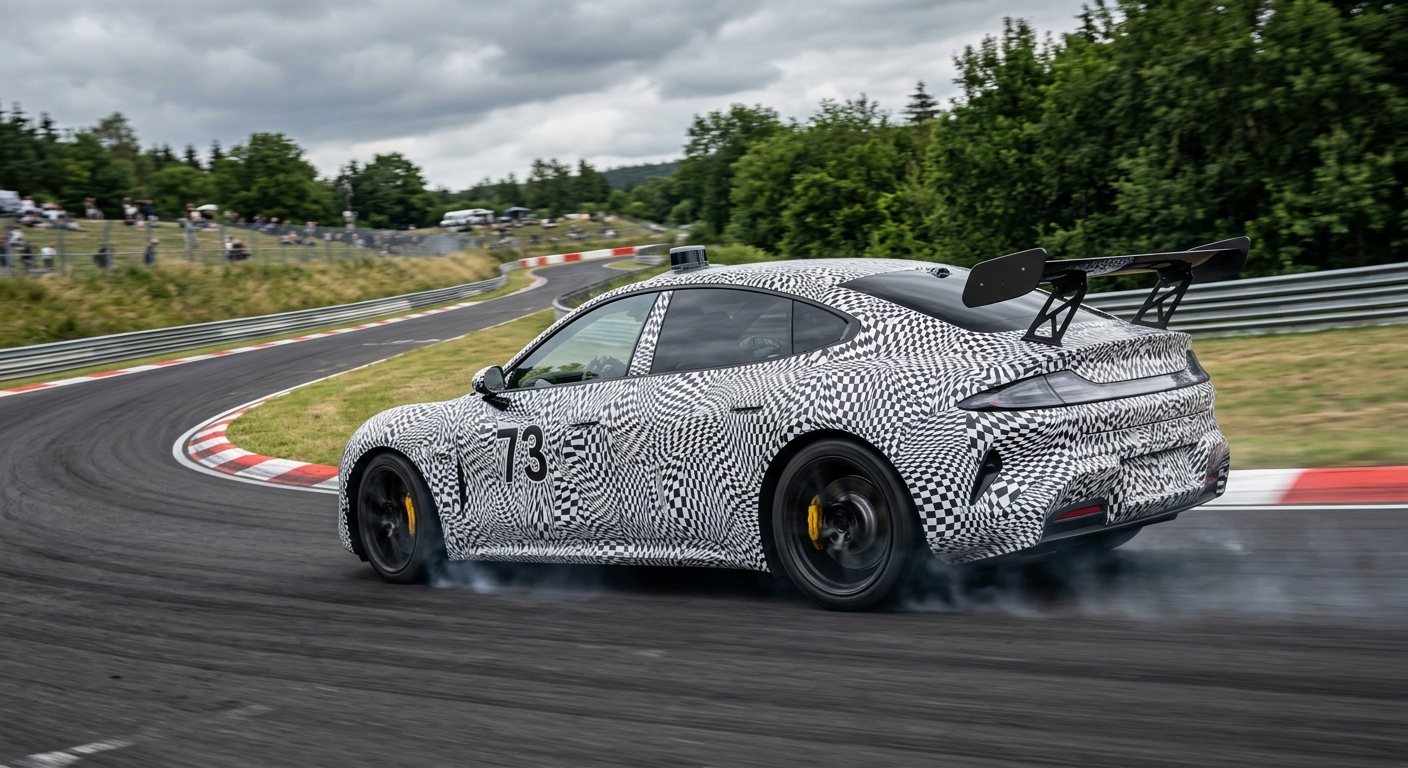
Those changes push the SU7 further toward the polished, high-speed grand-touring brief that has helped the car stand out in China’s EV landscape. Xiaomi also says the revision brings more high-strength steel, extra underbody battery protection and a triple-redundant door-unlocking system, all of which point to a more mature engineering package than the original car.
Pricing keeps the SU7 aimed above the budget end of the market
The revised SU7 starts at 219,900 yuan, or about $31,870 at the exchange rate cited in reporting, only 4,000 yuan above the outgoing version. Xiaomi’s CEO has also said the company does not plan to chase electric cars below 100,000 yuan in the coming years, reinforcing the brand’s position in the higher-feature, higher-margin part of the market.
That strategy fits the car itself. The SU7 is now being sold less as a disruptive tech novelty and more as a properly equipped electric sedan with serious range, serious hardware and the kind of specification creep that forces rivals to respond.
Source: CarNewsChina
Date: 2026-03-19