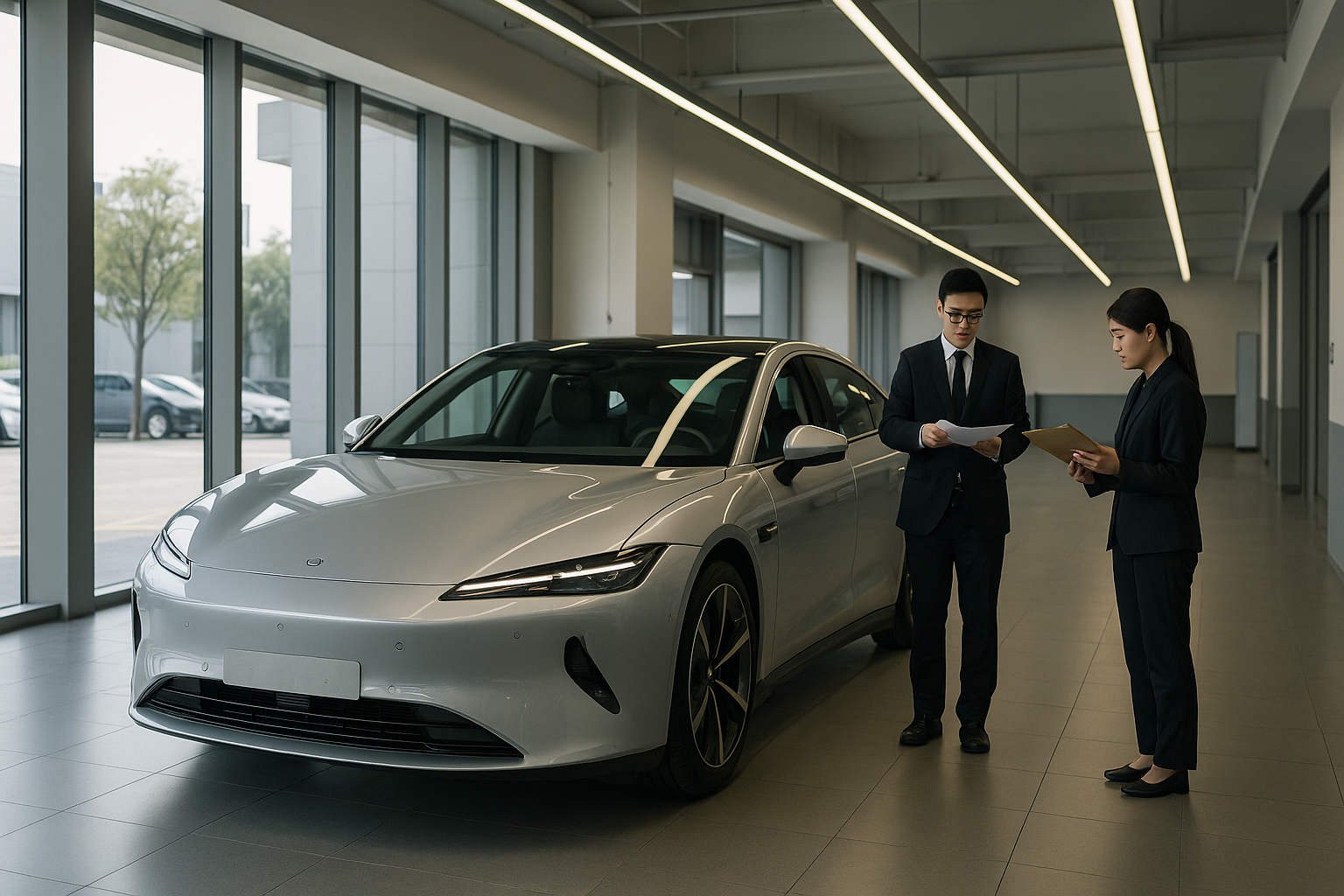
Xiaomi’s updated SU7 is already reshaping delivery timing after March launch
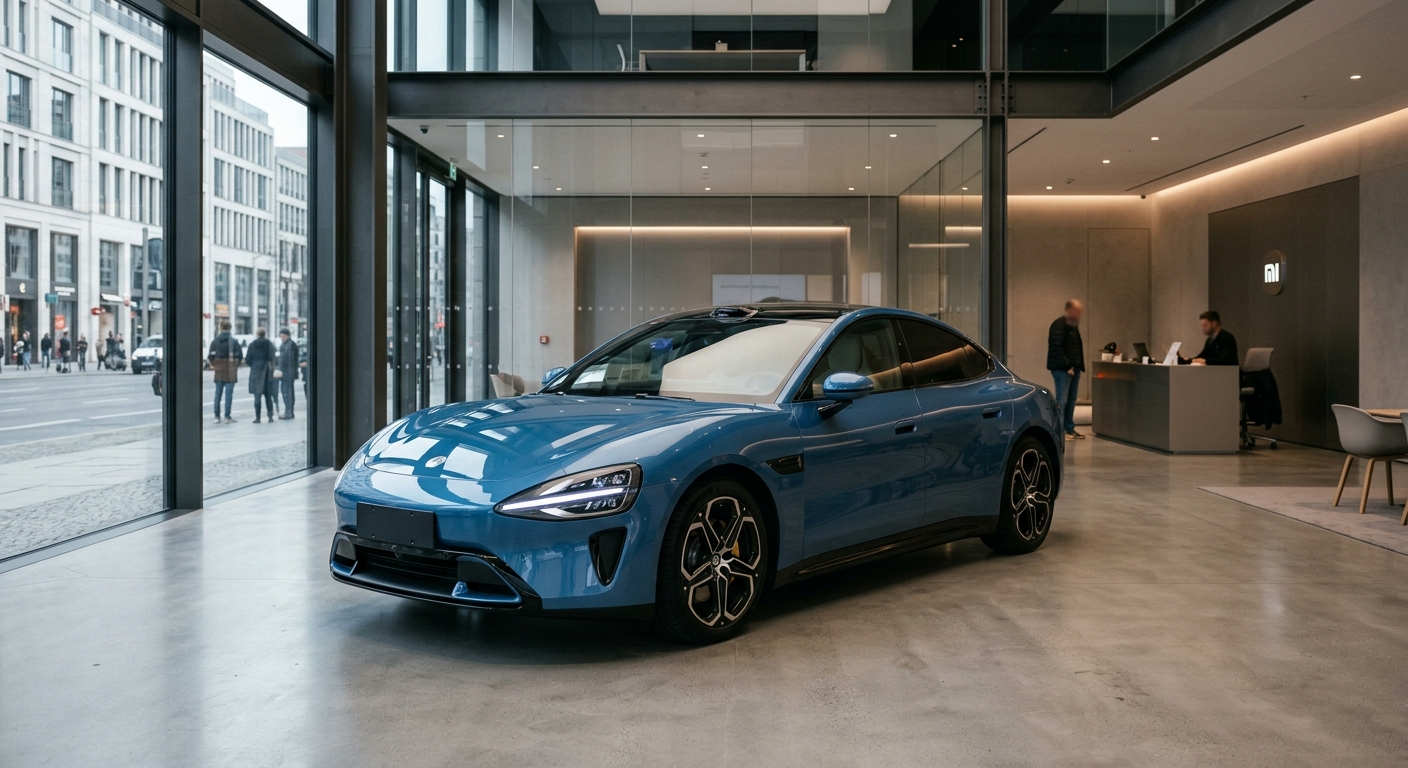
Xiaomi’s refreshed SU7 electric sedan is moving from launch hype to real production pressure. In comments posted on March 29, Xiaomi founder and CEO Lei Jun said the updated model had logged about 4,000 to 5,000 first-week deliveries after its March 19 launch, a sign that the company is trying to convert strong early demand into a steadier delivery cadence.
First-week deliveries begin to show the rollout pace
The updated SU7 started customer deliveries on March 23, only days after Xiaomi unveiled the car on March 19. By March 29, Lei said the company had already delivered several thousand units, suggesting the launch is not sitting idle in the order book while production catches up.
That matters because Xiaomi’s EV business is now being judged less on reveal-stage excitement and more on whether it can sustain volume on a model that is already deeply embedded in the company’s automotive identity.
March production planning points to a factory under strain
Earlier reporting indicated Xiaomi was preparing for a March output target of around 16,000 units for the new-generation SU7, with the factory undergoing retooling ahead of the refresh. Xiaomi also moved the launch forward from an earlier April plan, compressing the timing between pre-sales, release, and mass deliveries.
The result is a short transition window: the company has to balance fulfillment of new orders with production changeovers, while maintaining enough inventory to keep customers from facing long waits.
Why the SU7 refresh matters now
The SU7 is Xiaomi’s first mass-market EV, so every delivery milestone doubles as a test of the company’s manufacturing discipline. A sedan that can move from launch to thousands of deliveries in its first week gives Xiaomi a faster path to revenue recognition, but it also raises expectations for consistency in supply, configuration control, and after-sales support.
The refreshed model also arrived with technical upgrades that helped support the relaunch, including updated driver-assistance hardware and new charging architecture across the lineup. Those changes give Xiaomi more to market than a cosmetic update, but the commercial question now is whether the company can scale the car at the pace its launch generated.
A sharper test than the launch event itself
For Xiaomi, the latest SU7 milestone is not the unveiling on March 19. It is the first proof that the company can translate a high-volume consumer tech brand into an automotive production rhythm. The next checkpoint will be whether the early delivery pace can hold as the refreshed sedan moves deeper into the quarter.
Source: CarNewsChina
Date: 2026-03-29T06:28:00+02:00