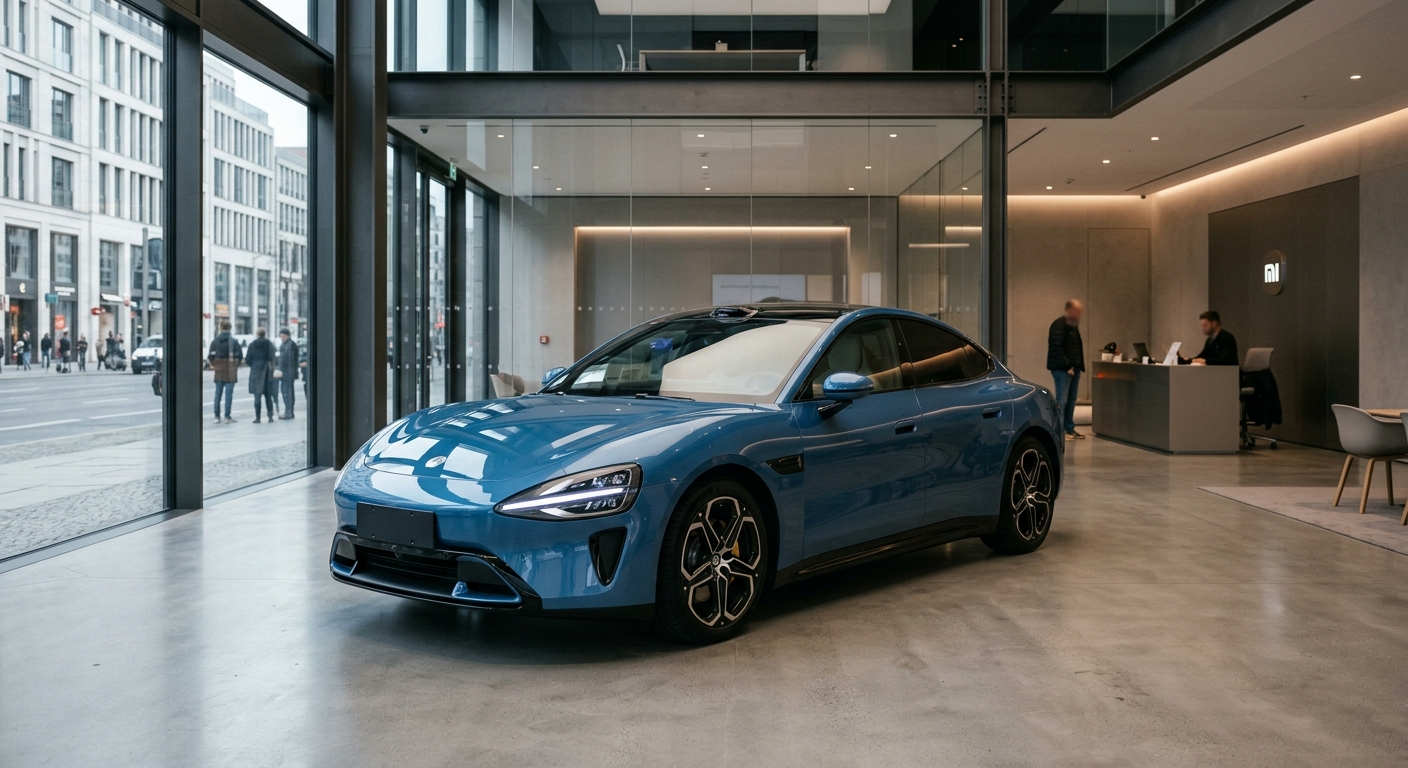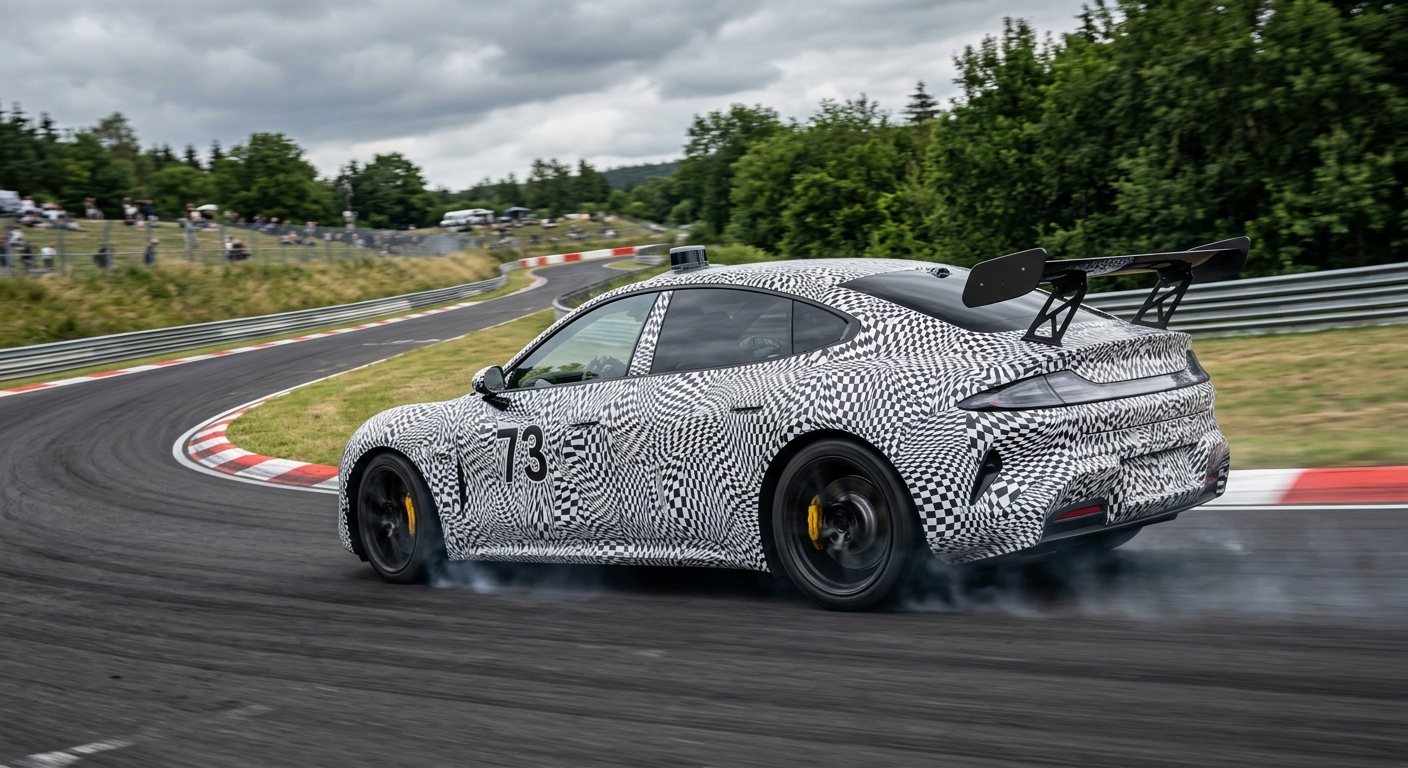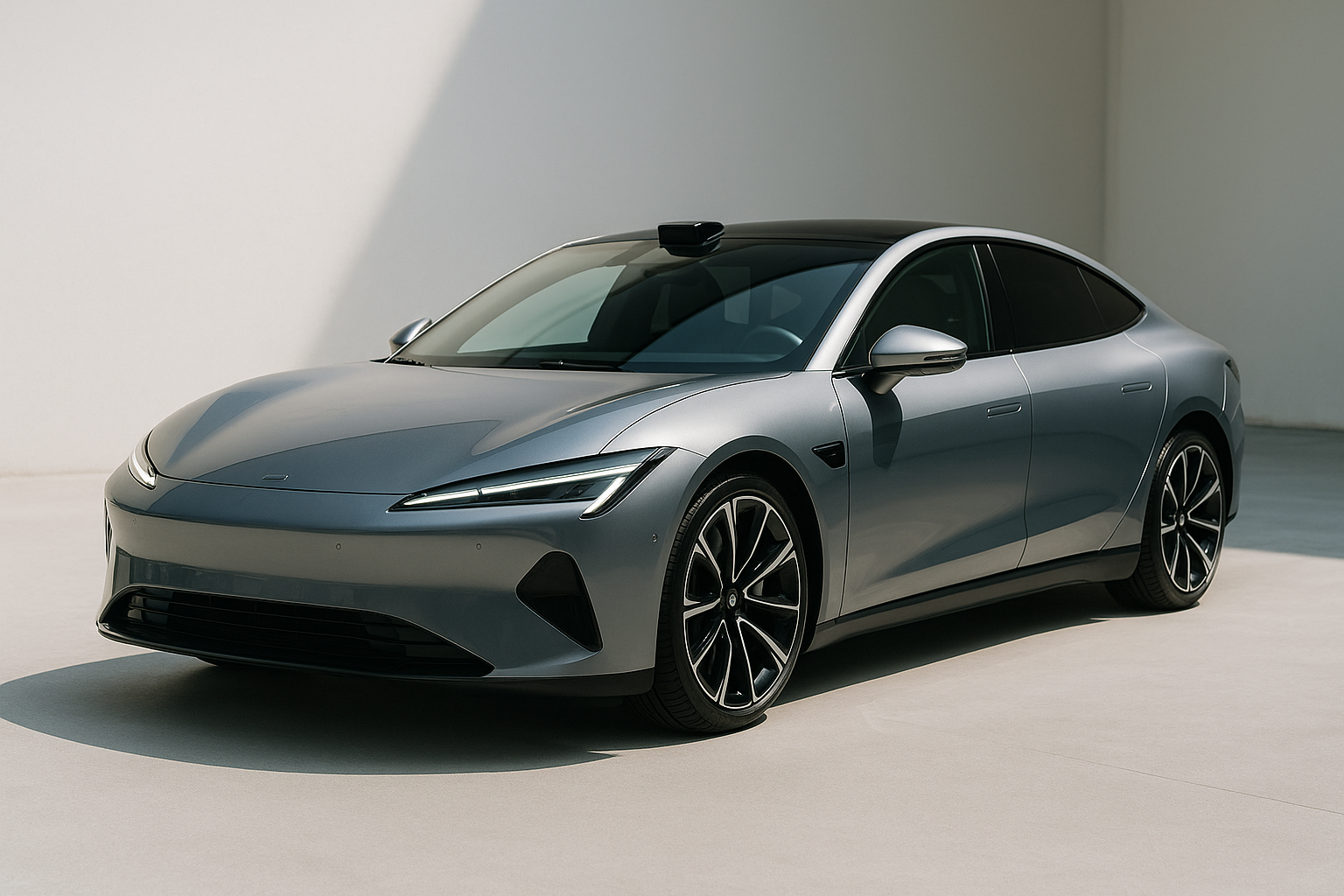
Xiaomi’s updated SU7 goes on sale with more range, more power, and LiDAR on every trim
Xiaomi has rolled out a significantly updated SU7 electric sedan, giving its flagship EV more range, more output, and a fuller stack of driver-assistance hardware as the company works to keep momentum behind one of China’s most closely watched electric cars.
More range, more power, and a higher-rung charging setup
The refreshed SU7 is now offered with up to 902 kilometers of CLTC-rated range, depending on trim, and Xiaomi says the lineup uses its latest V6s Plus motor. In base and Pro models, output rises to 320 horsepower, while the dual-motor Max version climbs to 690 horsepower. Xiaomi has also fitted the top model with an 897-volt charging architecture, aimed at faster charging performance than the outgoing car.
The update is not just about headline numbers. Xiaomi says the revised sedan starts at 229,900 yuan, while still staying below the Tesla Model 3 in China by a slim margin. For a car that already built its reputation on value, that keeps the SU7 positioned as a performance-oriented sedan with unusually aggressive pricing for the hardware on offer.
LiDAR becomes standard across the SU7 lineup
One of the most important changes is that LiDAR is now standard on every SU7 trim, along with 4D millimeter-wave radar and Xiaomi’s Highway Autonomous Driving hardware package. The company says the computing platform now delivers 700 TOPS, a sizeable step up from the previous model’s peak figure.
That matters because the SU7 has always been as much a software and electronics story as a chassis story. By putting the same core sensing hardware across the lineup, Xiaomi is narrowing the gap between the entry car and the top trim in a way that could make lower-cost versions more attractive to buyers who want advanced driver-assistance capability without paying for the Max model.
Chassis and safety revisions sharpen the hardware
Xiaomi also revised the underpinnings. The Pro trim now gets the dual-chamber air suspension and Continuous Damping Control setup that had previously been reserved for the Max, while all versions now ride on wider staggered tires with four-piston front calipers. The Max goes further with Brembo brakes and drilled, vented discs.
Under the skin, Xiaomi says critical body sections now use 2,200 MPa ultra-high-strength steel, up from 2,000 MPa before, and the battery pack incorporates a 1,500 MPa steel crossbeam plus an added underside coating. Airbag count rises to nine, including rear-passenger side airbags, and the flush door handles now include a mechanical backup system.
Why the SU7 update matters for shoppers
The SU7 refresh shows Xiaomi pushing the car beyond a simple spec-sheet exercise. With more standard equipment, stronger hardware, and sharper safety claims, the sedan is moving closer to the kind of all-in value formula that matters in a market where buyers compare range, charging, and assistance features line by line.
For shoppers, the big change is not just that the SU7 is quicker or can go farther. It is that Xiaomi is using this update to make the lower trims look less like stripped-down versions and more like full participants in the same high-tech platform, which could help the sedan stay relevant as China’s EV field keeps tightening around features as much as price.
Source: Electrek
Date: 2026-03-19