Maintaining Your Xiaomi EV Battery: Essential Care Tips for Long-Term Range
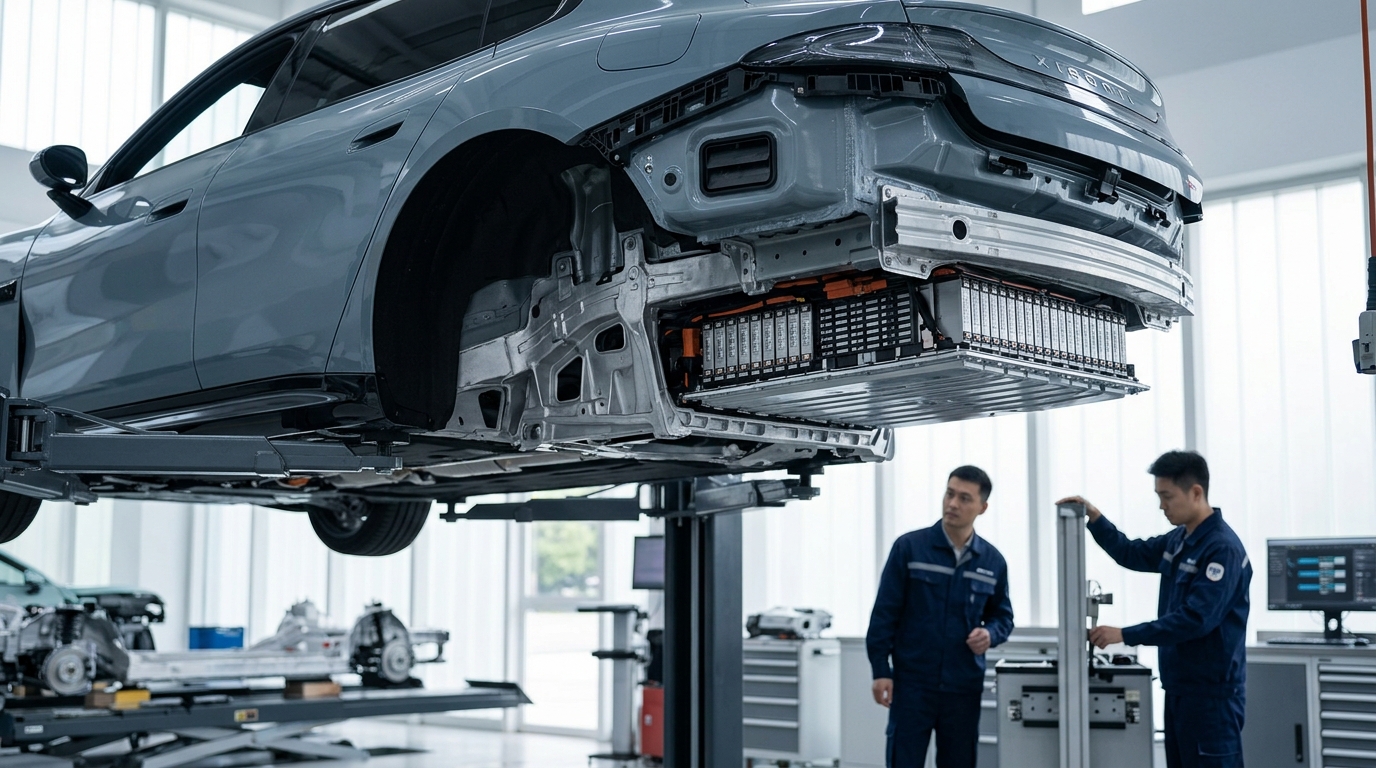
For owners of the Xiaomi SU7 and incoming YU7 models, the high-voltage battery pack represents the most significant investment in the vehicle. As Xiaomi continues to ramp up deliveries, many new drivers are looking for actionable ways to preserve battery health and ensure that charging capacity remains optimal throughout years of daily use.
Understanding how to manage your vehicle’s energy storage system is key to maintaining long-term resale value and avoiding premature degradation. While Xiaomi’s integrated battery management system handles much of the heavy lifting, adopting specific charging habits can significantly extend the lifespan of your lithium-ion cells.
Daily Charging Habits for Battery Health
The most impactful decision an owner makes daily is how they manage their state of charge (SoC). Keeping the battery within a “sweet spot” helps minimize chemical stress on the cells.
- Avoid the extremes: Whenever possible, keep your daily charge level between 20% and 80%. Regularly charging to 100% can accelerate chemical degradation in certain lithium-ion chemistries.
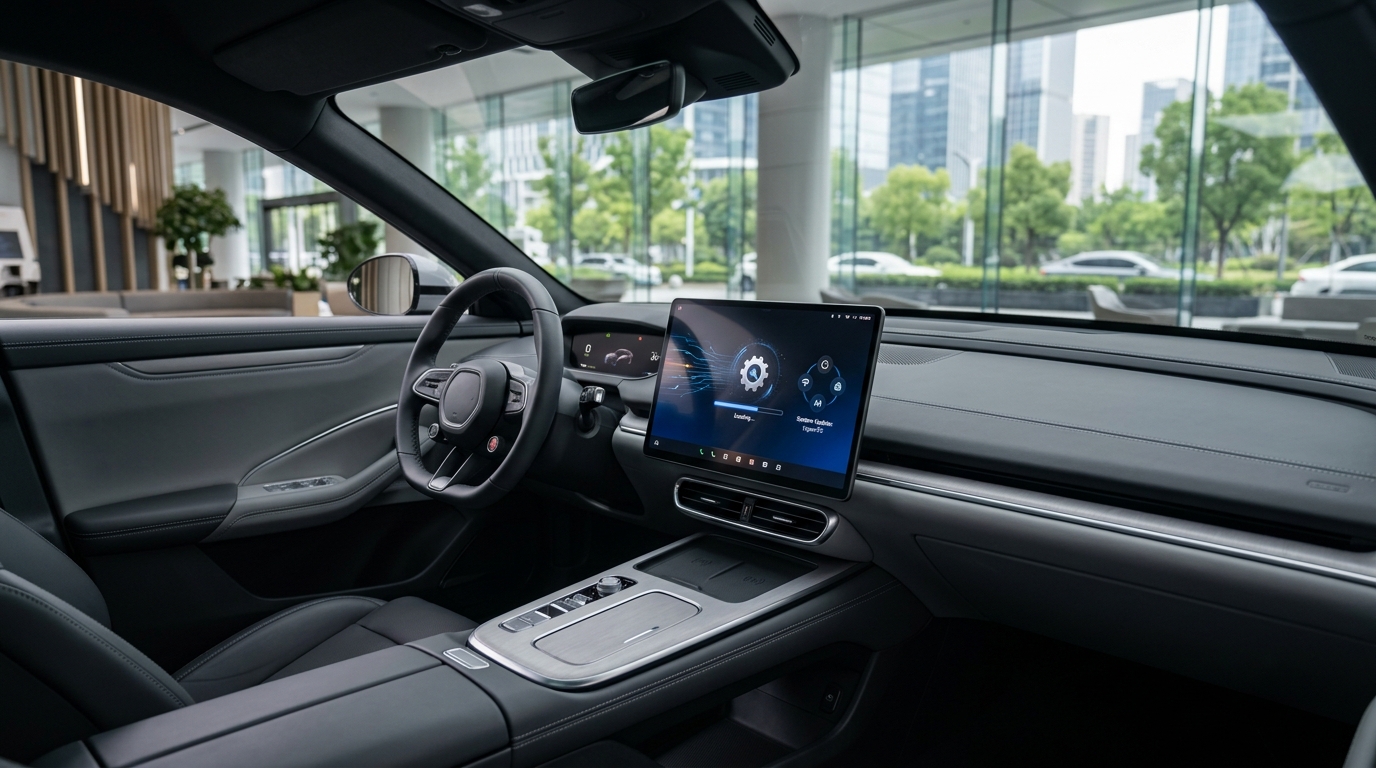
- Use the scheduling feature: Xiaomi’s infotainment system allows you to set departure times. This ensures the battery reaches its target charge shortly before you drive, preventing it from sitting at 100% for long periods.
- Limit DC Fast Charging: While high-speed charging is convenient for road trips, relying on it for every charge generates more heat than slower AC home charging. Use DC fast chargers primarily for longer journeys to preserve cell health over time.
Managing Thermal Exposure
Temperature is the primary enemy of electric vehicle battery longevity. Extreme heat, in particular, can be detrimental to the internal components of the battery pack.
If you live in a region with extreme summer temperatures, try to park in a garage or shaded area when plugged in. Xiaomi’s thermal management system is designed to regulate pack temperature actively, but it works most efficiently when the vehicle is connected to a power source, allowing the car to use grid power rather than drawing from the battery to cool itself.
Software and BMS Updates
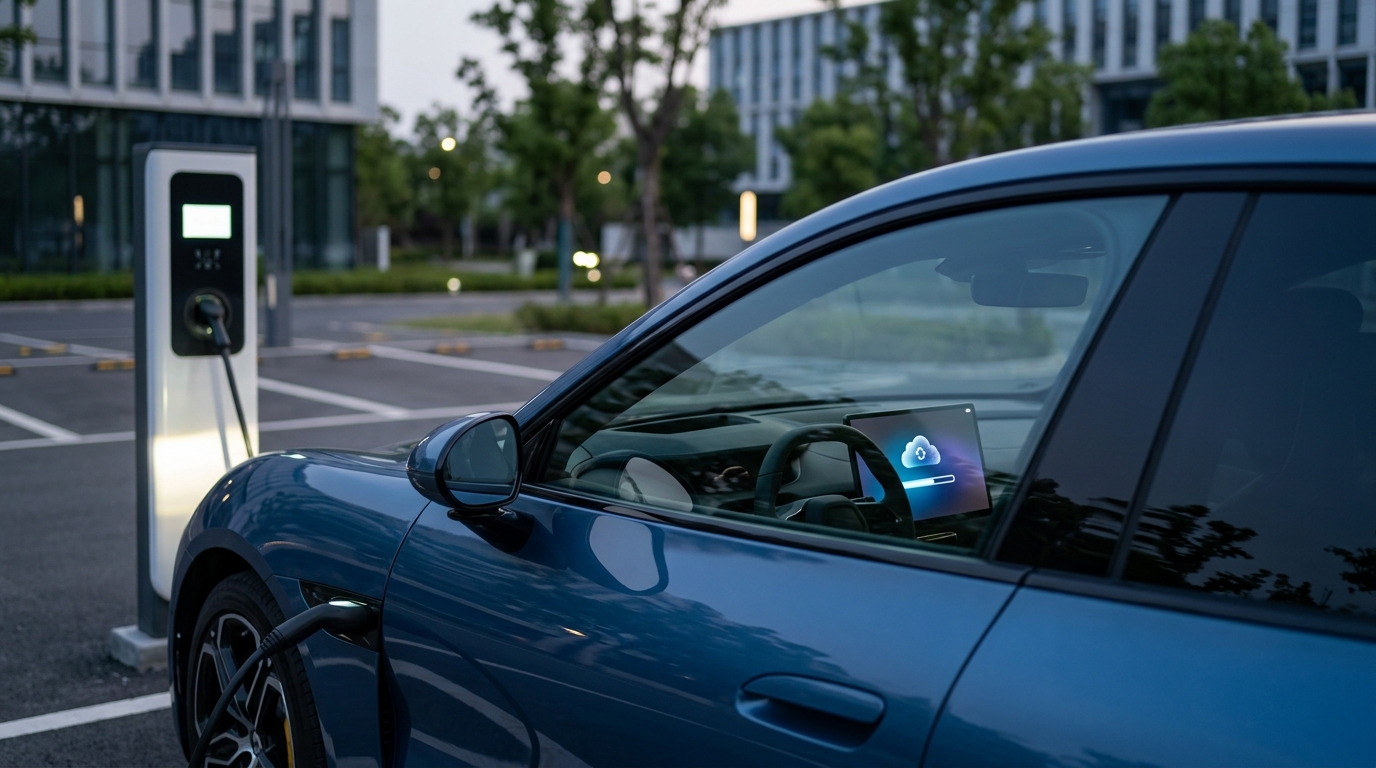
Xiaomi’s HyperOS integration plays a critical role in battery health. Through regular over-the-air (OTA) updates, the company frequently refines the Battery Management System (BMS) algorithms. These updates often improve charging curves, energy efficiency, and diagnostic monitoring.
Always ensure your vehicle is connected to a reliable network to receive these updates. Ignoring firmware patches may mean missing out on optimizations that prevent overheating or improve how the car manages energy during heavy performance usage.
Monitoring Your Battery Health
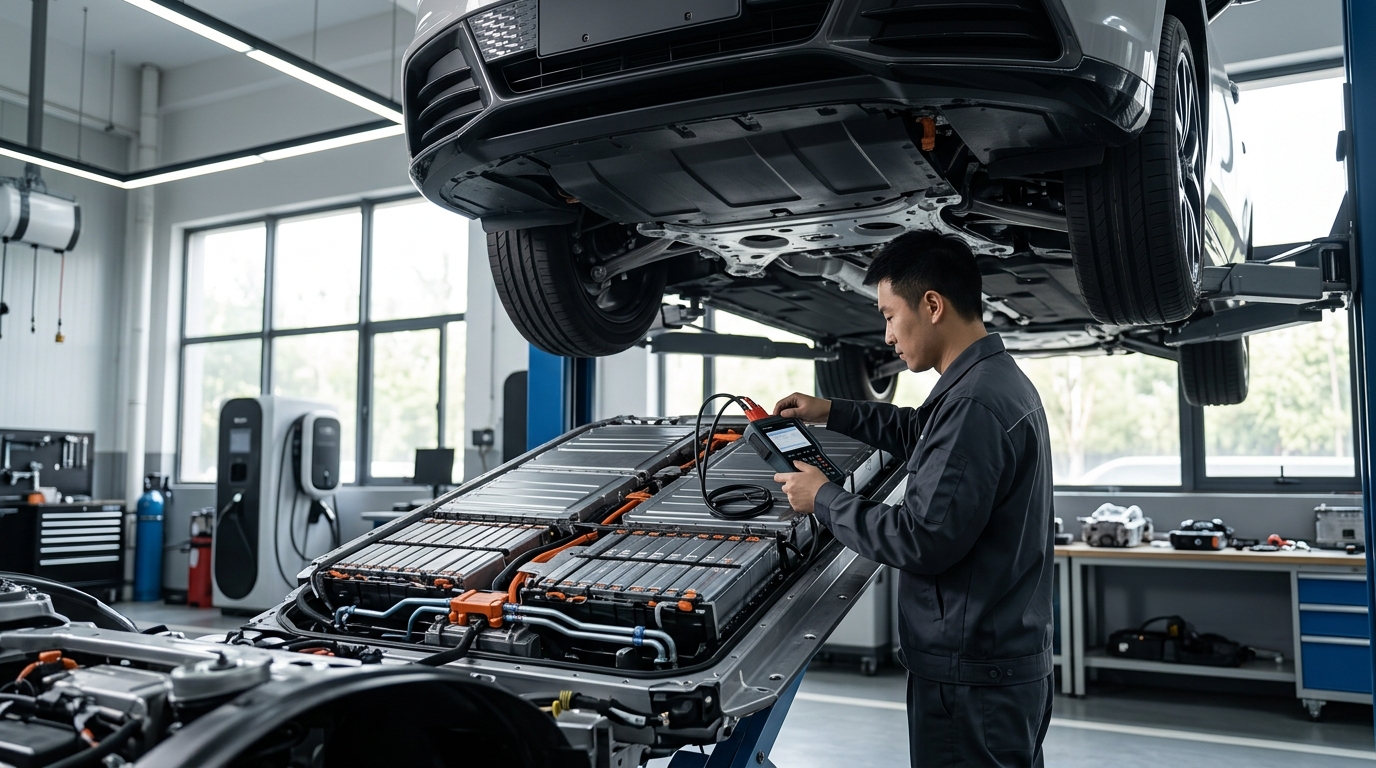
Through the Xiaomi vehicle app, owners can monitor basic battery health metrics. If you notice a sudden, significant drop in your estimated range under similar driving conditions, or if the vehicle displays persistent charging errors, it is time to consult an authorized service center. Identifying potential issues early—such as cell imbalance—can prevent minor software glitches from turning into hardware-related repair costs.
Editorial Disclaimer
This article is provided for educational and informational purposes only. Battery performance and maintenance requirements can vary based on model year, specific battery chemistry, climate, and usage patterns. Readers should consult their official owner’s manual and authorized Xiaomi service representatives for advice specific to their vehicle and local operating conditions.