Xiaomi SU7 Regenerative Braking: How to Maximize Efficiency and Battery Range
For Xiaomi SU7 owners, mastering the vehicle’s regenerative braking system is one of the most effective ways to extend daily range and reduce wear on traditional friction brakes. By converting kinetic energy back into electrical power during deceleration, the system plays a vital role in the overall efficiency of Xiaomi’s performance electric platform.
Understanding when to toggle between different levels of energy recovery can change the way your vehicle handles, especially during stop-and-go commuting or while navigating winding roads. Recent software updates have refined how these systems interact with the car’s HyperOS, offering more granular control for drivers who prefer a personalized driving feel.
Understanding Energy Recovery Settings
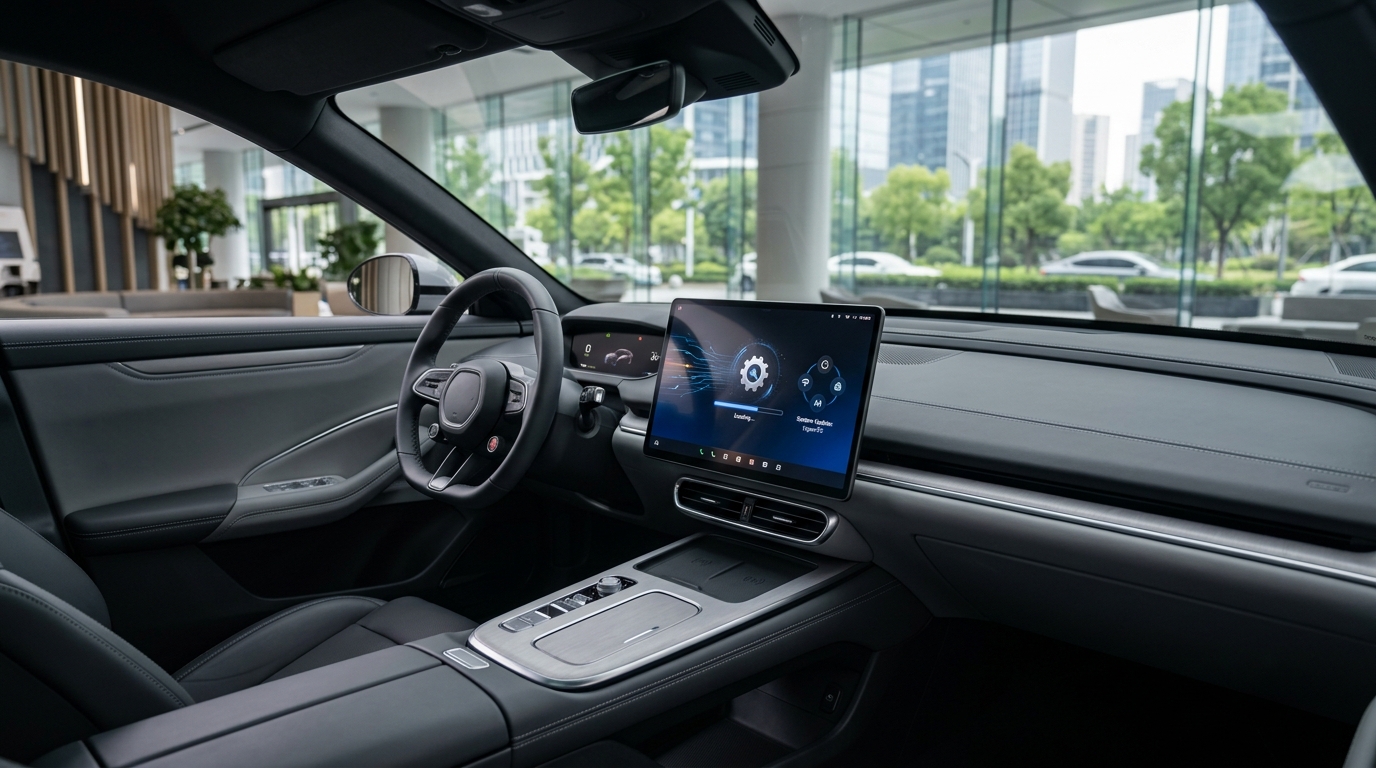
The Xiaomi SU7 allows drivers to customize the intensity of regenerative braking, typically through the central infotainment screen. These settings dictate how much the car slows down the moment you lift your foot off the accelerator pedal.
- Low/Standard Setting: Provides a more natural, coasting sensation similar to an internal combustion engine vehicle. This is often preferred for highway driving where maintaining momentum is key to efficiency.
- High/Maximum Setting: Increases drag significantly when lifting off the throttle. This mode is ideal for heavy city traffic, often allowing for ‘one-pedal’ driving, which minimizes the need to switch your foot to the brake pedal.
Impact on Battery Performance and Range
While regenerative braking helps capture energy, it is not a perpetual motion machine. In the Xiaomi SU7, effective use of this feature can recapture a measurable percentage of energy that would otherwise be lost as heat through traditional brake pads. Drivers who optimize their braking patterns—anticipating stops early and allowing the motors to handle deceleration—frequently see improved efficiency ratings on their Xiaomi EV dashboard.
It is worth noting that cold weather can temporarily limit the effectiveness of regenerative braking. When the battery pack is below optimal operating temperatures, the system may reduce the amount of energy it can accept, leading to a firmer, less predictable brake pedal feel until the battery warms up during the drive.
Daily Driving Tips for Owners
To get the most out of your vehicle, consider these practical adjustments based on your environment:
| Driving Scenario | Recommended Setting |
|---|---|
| Heavy Urban Traffic | High (One-Pedal Mode) |
| Open Highway | Standard/Low |
| Mountain/Winding Roads | Variable (Driver Preference) |
Maintenance Considerations
One distinct advantage of high-utilization regenerative braking is the reduced demand on the physical braking system. Because the electric motors perform the majority of deceleration, the brake pads and rotors on a Xiaomi SU7 often experience significantly less wear than those on a traditional gasoline vehicle. However, owners should still periodically inspect their friction brakes to ensure they remain free of corrosion, especially in regions with heavy salt usage during winter, as they are used less frequently.
Editorial Disclaimer
This article is provided for educational and informational purposes only. Details can change over time, so readers should verify important information with official sources, qualified professionals, manufacturers, publishers, or relevant authorities before making decisions.