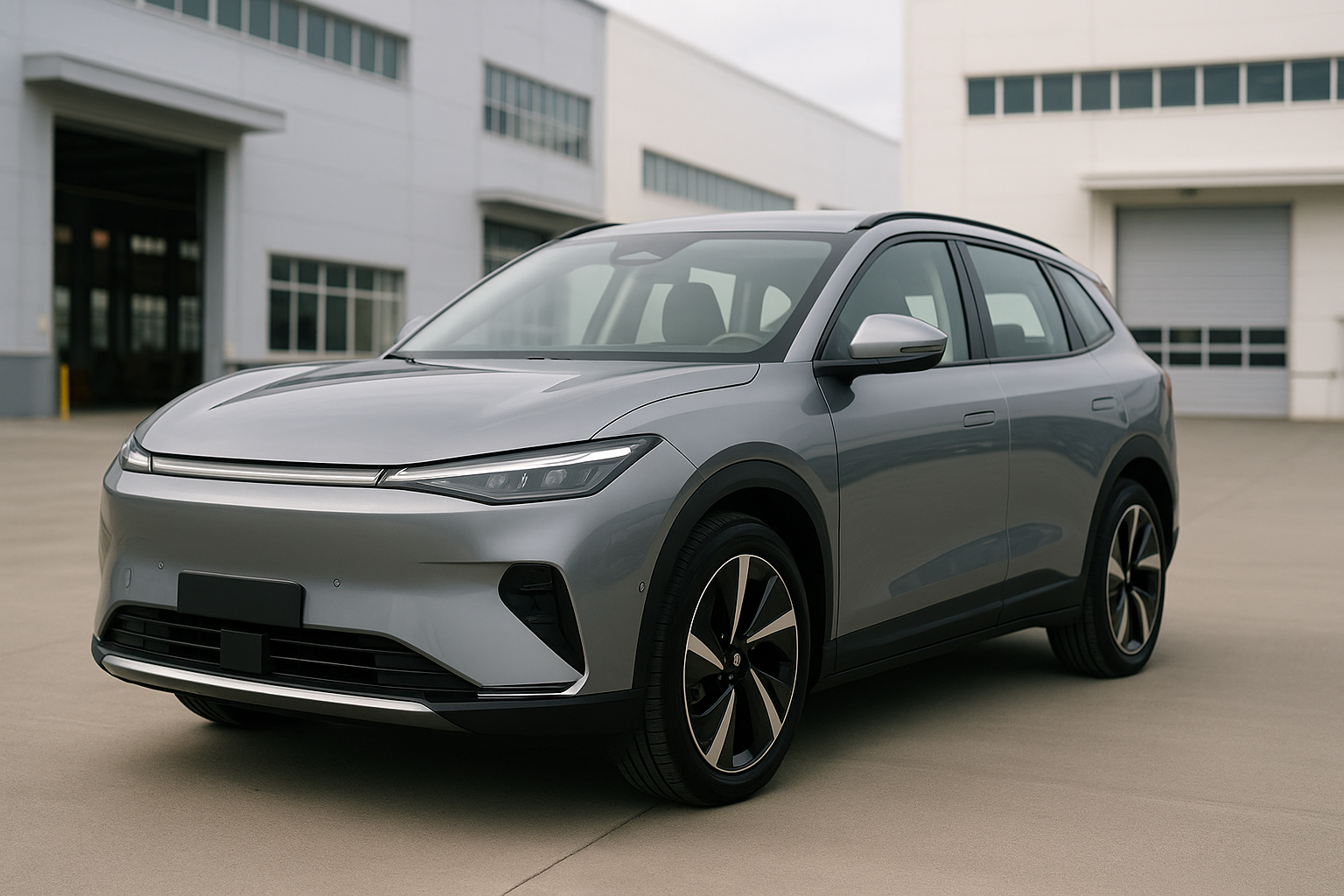
Xiaomi YU7 appears to have worked through its early backlog as March deliveries hold above 20,000
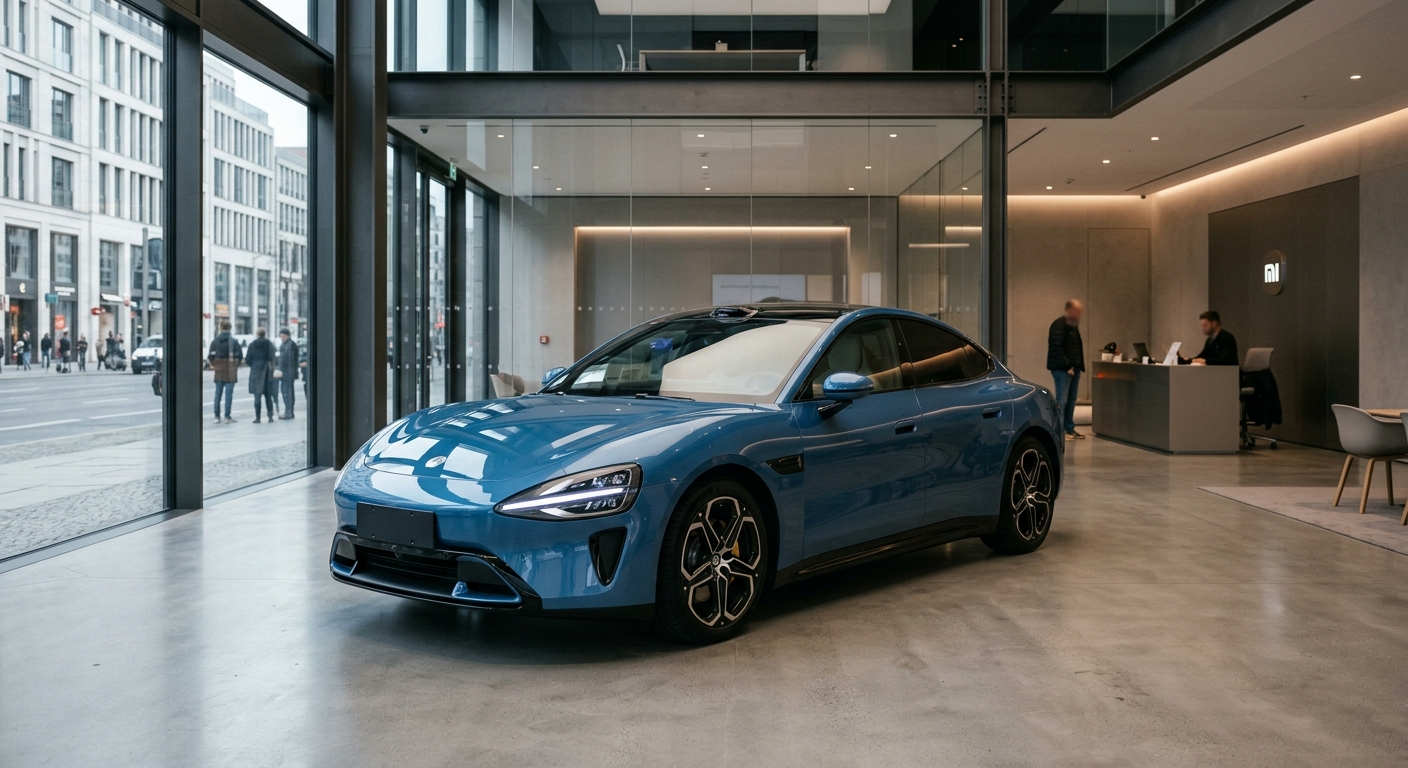
Xiaomi’s March delivery figures suggest the YU7 electric SUV has moved through much of the backlog that built after launch, a meaningful shift for a model that became one of the company’s most important volume drivers in 2025. The company reported more than 20,000 vehicle deliveries in March 2026, a pace that points to steadier output after the YU7’s initial surge.
Xiaomi’s March numbers point to a less distorted delivery pattern
The latest monthly total is notable less for raw growth than for what it implies about production and order fulfillment. Xiaomi’s YU7 had been delivering at unusually high volumes earlier in the year, with January 2026 standing out as a peak month. By March, the company’s reported total suggests those early, backlog-driven spikes have eased into a more normalized cadence.
That matters because the YU7 has not just been a halo product for Xiaomi Auto. It has also been a core test of whether the company can convert attention into sustained manufacturing throughput, rather than rely on launch demand alone. A delivery pace above 20,000 vehicles in a month indicates the SUV is still contributing materially to Xiaomi’s EV business even after the initial order rush.
Why the YU7 is the model to watch inside Xiaomi’s EV push
Xiaomi launched the YU7 in June 2025 as its second production vehicle and a direct challenger in China’s crowded electric SUV market. The model quickly became central to the company’s automotive ambitions, helping Xiaomi build volume at a faster rate than the original SU7 sedan did in its early months.
For Xiaomi, the operational question has been whether it can keep a high-demand model supplied without the long waits that often follow a hot launch. March’s delivery figure suggests the company has made progress on that front, even if the monthly pace is no longer at the extreme levels seen during the early demand spike.
What this means for Xiaomi Auto’s 2026 execution
The YU7’s delivery pattern is now a practical measure of Xiaomi Auto’s manufacturing discipline. If the company can keep the SUV moving at a consistent clip, it strengthens the case that Xiaomi’s automotive business is transitioning from launch-stage novelty to repeatable production scale.
That is important in 2026, when Xiaomi is under pressure to prove it can sustain growth across more than one vehicle line. The YU7’s performance does not settle that question on its own, but the March result suggests the model is no longer simply a backlog story. It is becoming a production story.
Source: CarNewsChina
Date: 2026-04-02