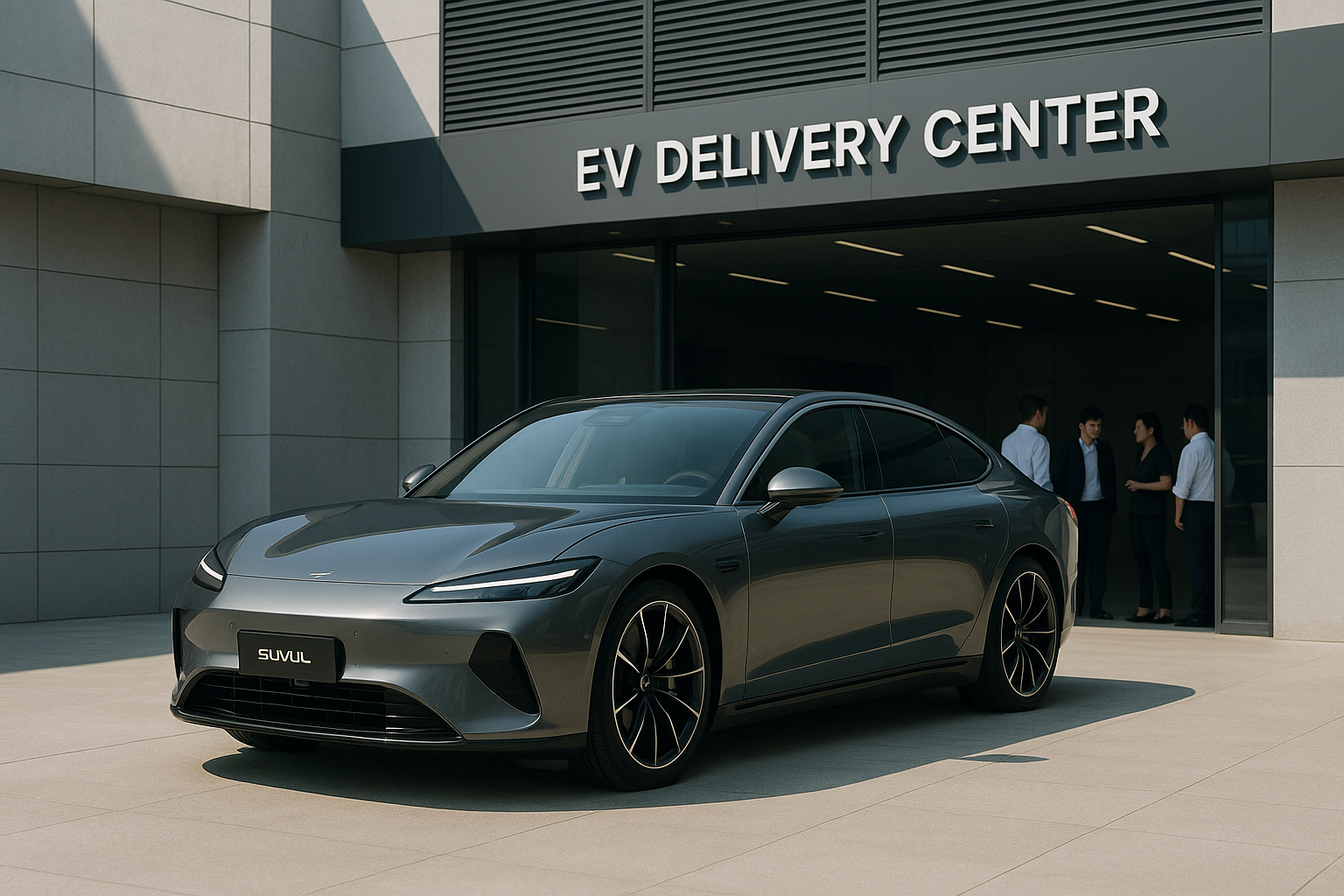
Xiaomi rules out sub-100,000 yuan EVs as SU7 demand holds near the premium end
Xiaomi CEO Lei Jun said on April 17, 2026, that the company will not introduce electric vehicles priced below 100,000 yuan in the coming years. The comment, made during a livestream tied to an SU7 endurance challenge, sharpens Xiaomi’s EV strategy around the SU7 family and keeps the company squarely in the mid- to high-end market.
Lei Jun draws a line under budget EV plans
Lei’s remarks were unusually direct for a company that has moved quickly from consumer electronics into electric vehicles. He said intelligent vehicle development pushes costs higher, making sub-100,000 yuan models difficult to sustain. The statement suggests Xiaomi is not preparing a low-cost branch of its EV lineup, even as it expands production and trims delivery times for the SU7.
The company also said the updated SU7 contains more than 100 upgrades over the previous version. Lei said material costs rose by nearly 20,000 yuan, while the retail price increased by 4,000 yuan, a gap that shows Xiaomi absorbing part of the added hardware cost to keep the car competitive.
The updated SU7 stays aimed at higher-spec buyers
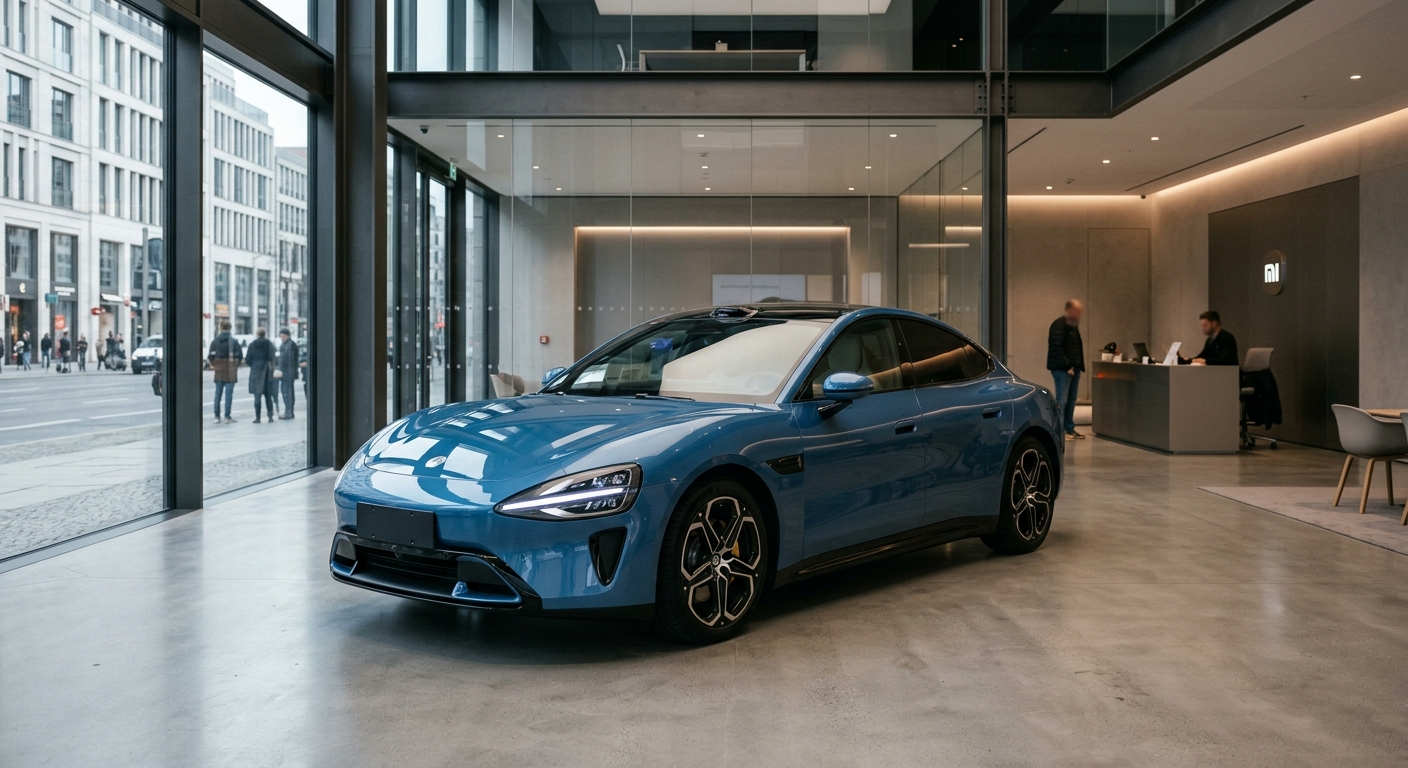
The refreshed SU7 starts at 219,900 yuan, well above the price floor Lei ruled out. That places the model in a segment where driver-assistance hardware, software integration, and charging performance matter as much as badge recognition. Xiaomi has leaned into that positioning with the latest SU7 rollout rather than chasing volume through a stripped-down entry car.
The strategy is also backed by early demand. Xiaomi said the 2026 SU7 secured 15,000 orders within 34 minutes of launch, and the company reported more than 40,000 locked orders by April 2, 2026. Deliveries began on March 23, 2026, giving Xiaomi a first real test of whether the updated sedan can convert interest into sustained volume.
Why the SU7 matters for Xiaomi’s EV business now
For Xiaomi, the SU7 is more than a single model line. It is the clearest signal of how the company intends to compete in a crowded Chinese EV market where advanced hardware and software are becoming central to pricing power. By rejecting a budget tier, Xiaomi is betting that it can build a stronger business around richer vehicles instead of fighting on the lowest end of the market.
That approach also leaves the SU7 as the reference point for Xiaomi’s EV ambitions heading into the rest of 2026, when production, delivery execution and pricing discipline will matter as much as the launch-day reaction.
Source: CarNewsChina
Date: 2026-04-17T03:45:00+02:00