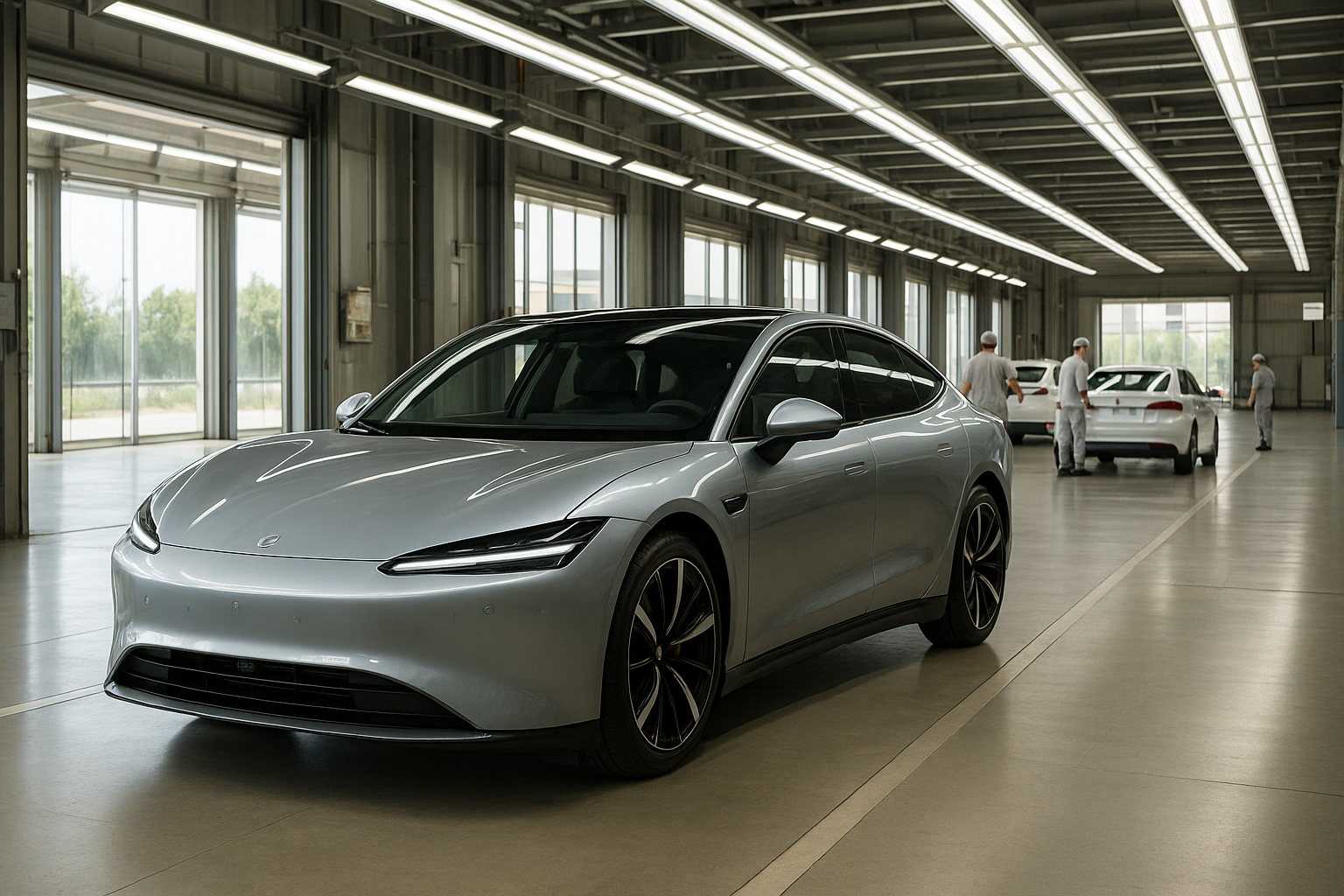
Xiaomi delivers 26,000 upgraded SU7 sedans as the facelifted EV ramps into showrooms
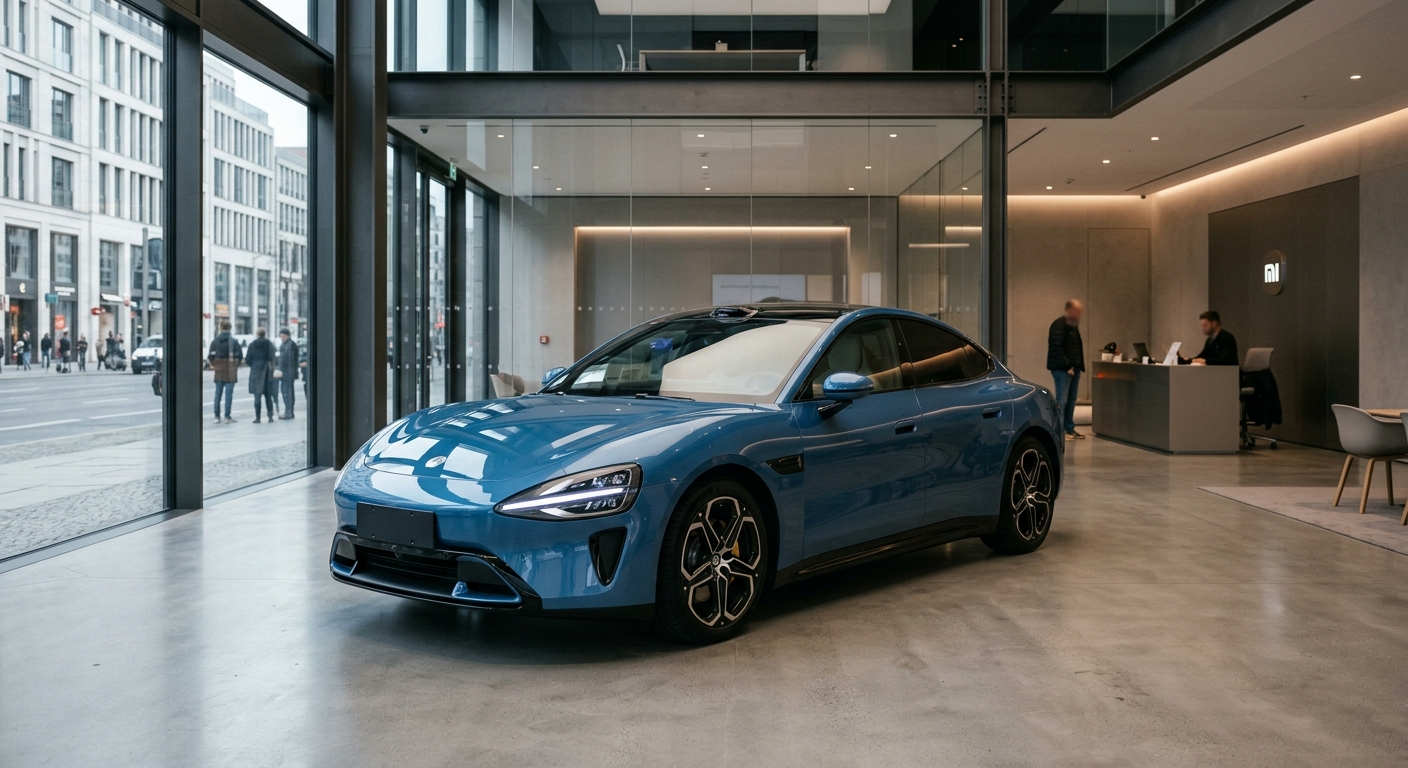
Xiaomi’s refreshed SU7 sedan is moving into real volume production faster than many rivals would dare. On April 24, 2026, the company said it had delivered 26,000 units of the upgraded SU7 series, a strong early showing for the updated electric sedan that launched in March and now appears to be turning orders into customer handovers at pace.
SU7 production is already translating into deliveries
The key number here is not just the launch cadence, but the delivery count. Xiaomi said it had 60,000 locked orders for the new-generation SU7 sedans as of April 23, which suggests demand has remained firm after the facelift arrived. For a carmaker that only entered the EV market in 2024, that kind of conversion rate points to a production line that is doing more than simply building halo cars.
The SU7 remains the brand’s core passenger car, and the upgraded version is now carrying the weight of Xiaomi’s premium EV push. The company has positioned the sedan against established electric rivals in China, with a focus on performance, technology integration and aggressive launch timing rather than volume-brand conservatism.
Locked orders and a fast ramp point to a tighter factory rhythm
Xiaomi’s delivery update matters because EV startups often struggle most after the launch event ends. Turning orders into cars requires consistent supply of batteries, body hardware, software calibration and final assembly capacity, and Xiaomi appears to be moving through that phase with unusual speed. The company’s April 24 update also came alongside plans to launch the YU7 GT series at the end of May, showing that production planning is now extending beyond a single model cycle.
That matters for the SU7 itself. A refreshed sedan that can scale quickly is more than a press-release win; it is a sign that Xiaomi’s Beijing automotive operation is maturing into a repeatable manufacturing program, not just a one-off technology statement.
Why the SU7’s momentum matters beyond China
For buyers, the significance is simple: Xiaomi is proving it can deliver a hotly watched EV in meaningful numbers soon after launch, rather than waiting months for a slow ramp to catch up with demand. For enthusiasts, the SU7 remains one of the more interesting new-nameplate sedans in the market because it blends smartphone-era software ambition with the kind of aggressive product timing usually associated with legacy automakers.
Xiaomi has already signaled plans to take its EV business overseas next year, with Europe identified as the first foreign market. A strong production cadence at home gives that ambition a more credible foundation, and the SU7’s latest delivery figure is the clearest sign yet that the program is becoming a real car business, not merely a tech-company side project.
Source: Reuters via StreetInsider
Date: 2026-04-24