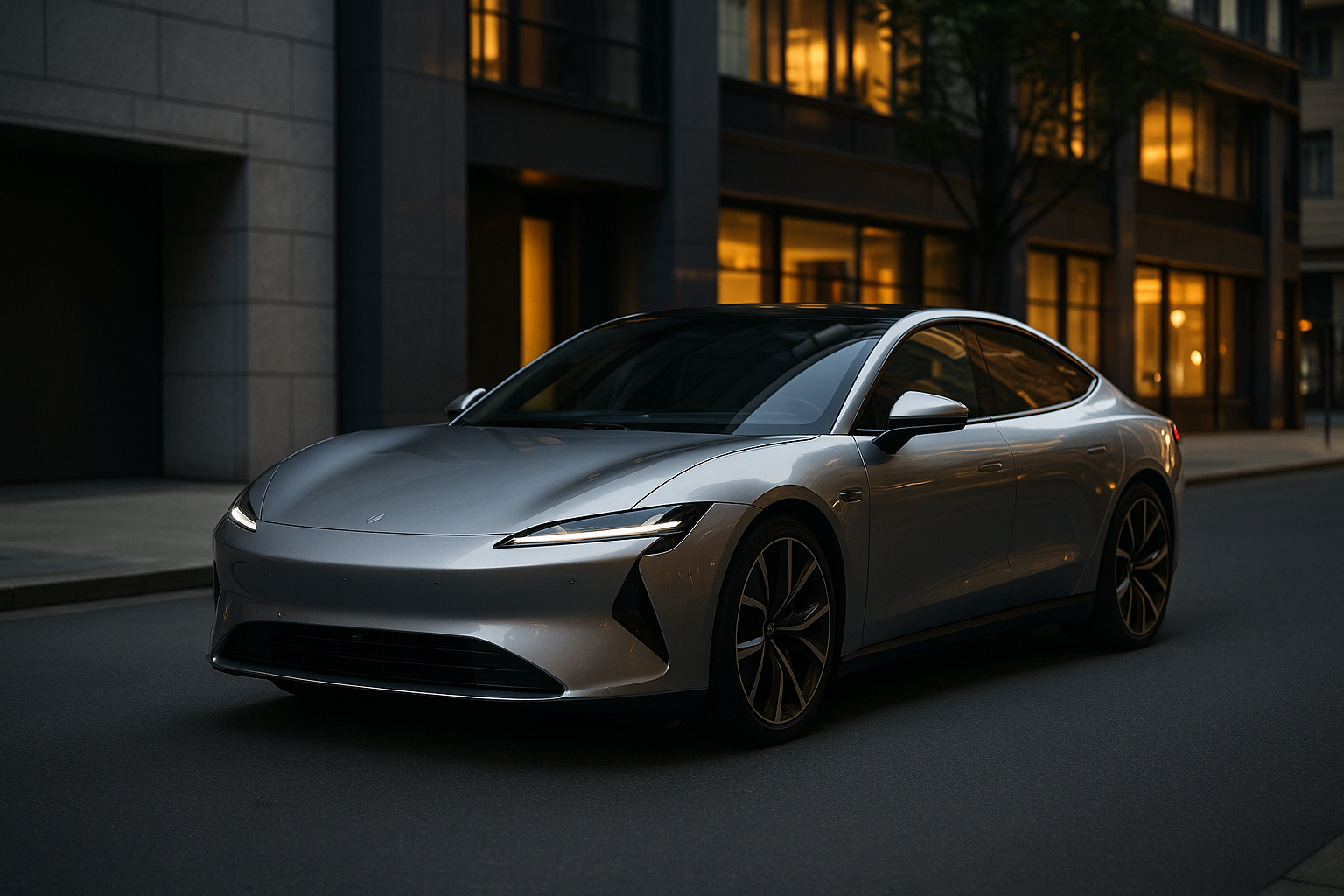
Xiaomi rules out cheap EVs as it doubles down on premium SU7 momentum
Xiaomi is drawing a firm line under its electric-car strategy: the company says it will not sell an EV priced below 100,000 yuan, roughly $13,800, in the coming years. The comment, made on April 17, 2026, puts the company’s next moves squarely in the SU7’s lane and away from the kind of ultra-low-price model that has become common in China’s fiercest EV battles.
Xiaomi keeps the SU7 family in the premium lane
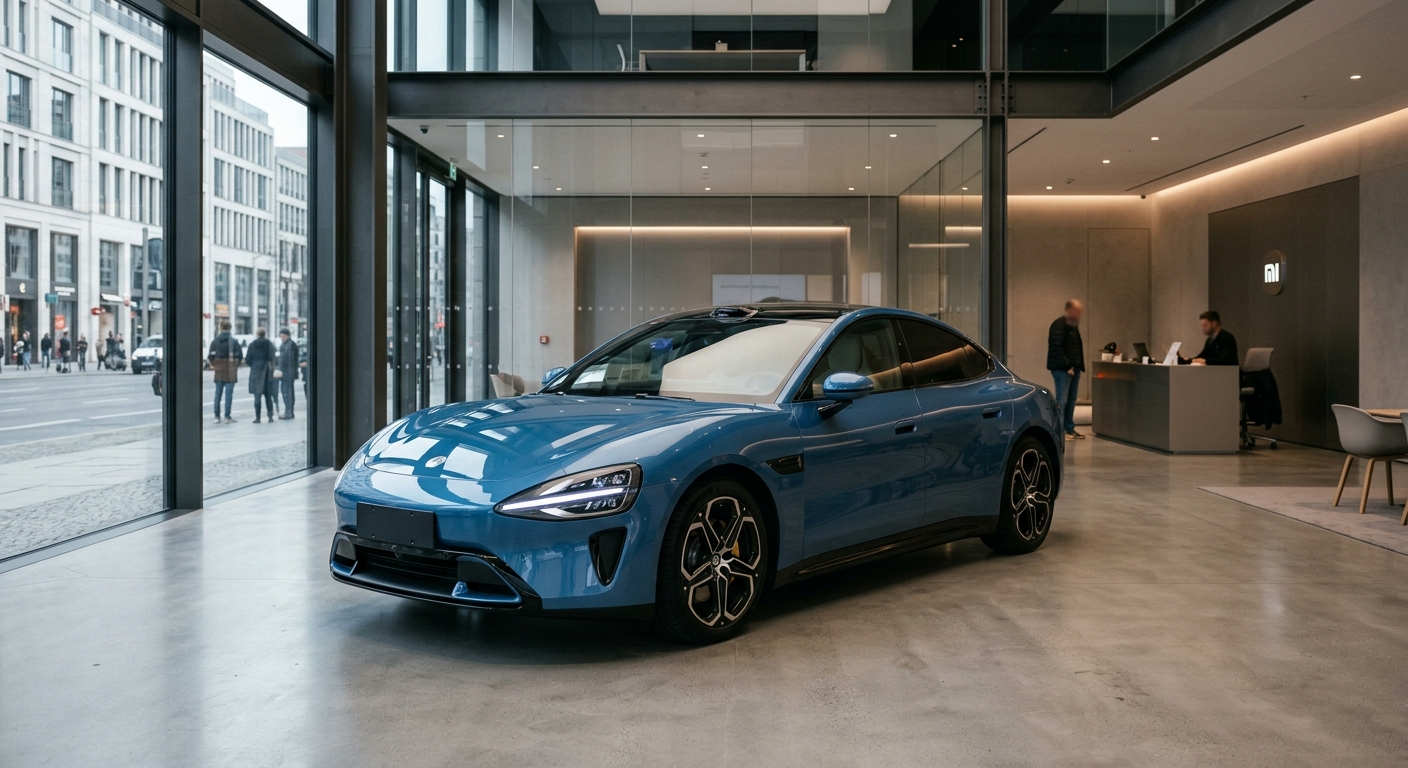
For drivers, the key takeaway is not just what Xiaomi is saying no to, but what it is choosing to keep building around. The SU7 nameplate has already become the company’s defining automotive product, with variants positioned well above the sub-100,000-yuan bracket. Xiaomi’s refusal to chase a bargain-basement entry car suggests the company still sees its EV business as a performance-led, technology-heavy proposition rather than a volume play built on the thinnest possible price.
That matters because Xiaomi has spent much of the past year pushing the SU7 deeper into the market with stronger specifications, not weaker ones. The company has leaned on range, charging speed, and increasingly polished hardware to separate the car from the crowded mid-price field, where Chinese EV brands often compete on discounts and feature lists rather than a single halo product.
Why Xiaomi’s price floor changes the fight
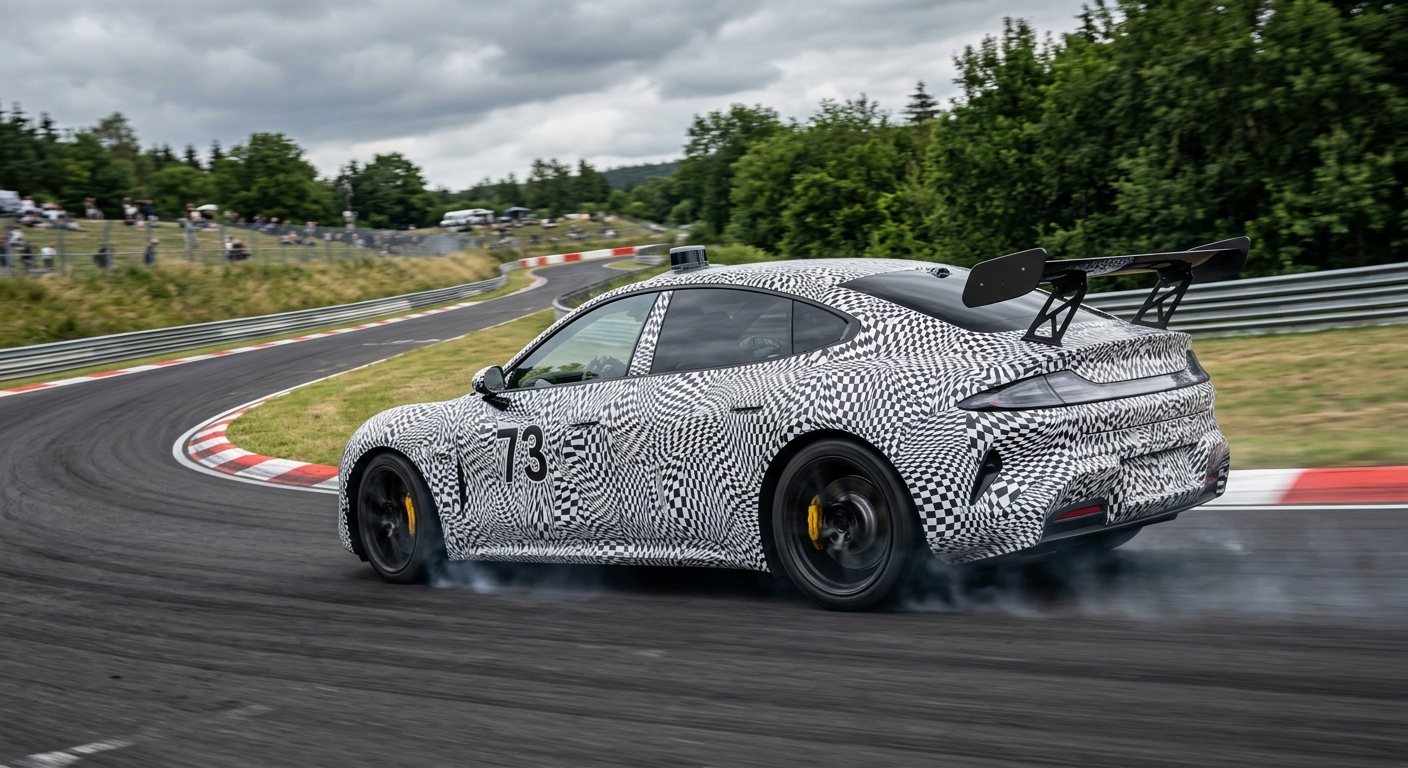
Setting a 100,000-yuan floor also narrows Xiaomi’s target audience. Instead of trying to win first-time EV buyers with the cheapest possible sedan, the brand appears committed to shoppers cross-shopping more established electric sedans and higher-trim domestic rivals. That is a more selective strategy, but it keeps the SU7 family aligned with the kind of hardware story Xiaomi has been telling from the start: quick charging, aggressive design, and performance trims that attract attention far beyond its smartphone customer base.
The move also avoids a race to the bottom in a market where price cuts can erase margin quickly. In that sense, Xiaomi’s stance reads less like hesitation and more like discipline. The company has built enough momentum with the SU7 that it may not need a budget car to stay relevant, at least for now.
What shoppers should read into the decision
For buyers, the implication is straightforward: if Xiaomi expands its EV range, it is more likely to do so upward, with better-equipped or more powerful versions, than downward into a stripped-down city car. That keeps the brand’s EV identity tied to the same formula that made the SU7 stand out in the first place — sharp styling, strong performance credentials, and a tech-forward cabin — rather than a price-first experiment.
It is also a sign that Xiaomi believes the SU7 has enough pull to carry the company’s automotive ambitions without chasing every segment. In China’s fastest-moving EV market, that is a notable bet.
Source: CarNewsChina
Date: 2026-04-17