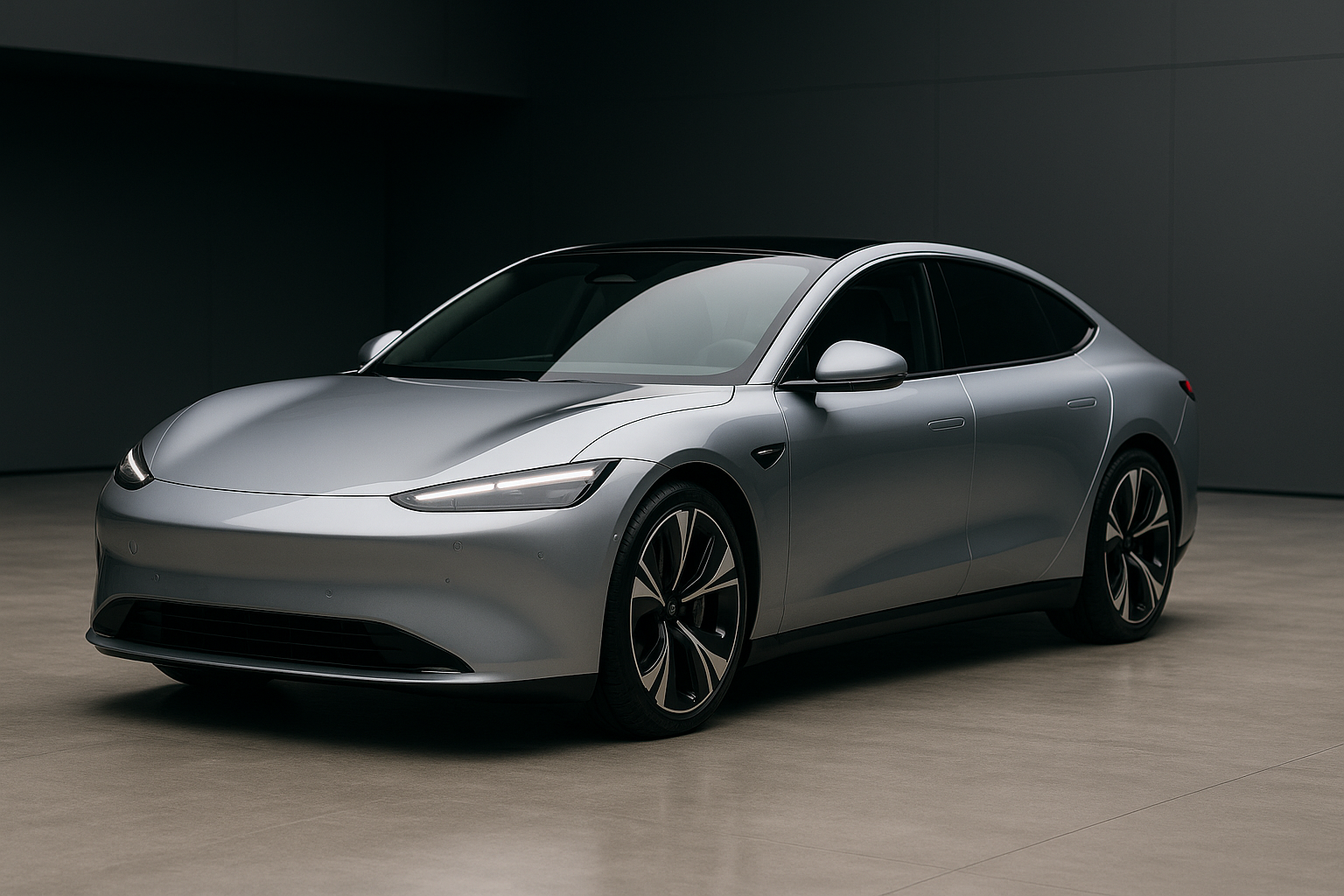
Xiaomi’s revised SU7 lands with standard LiDAR and up to 902 km of range
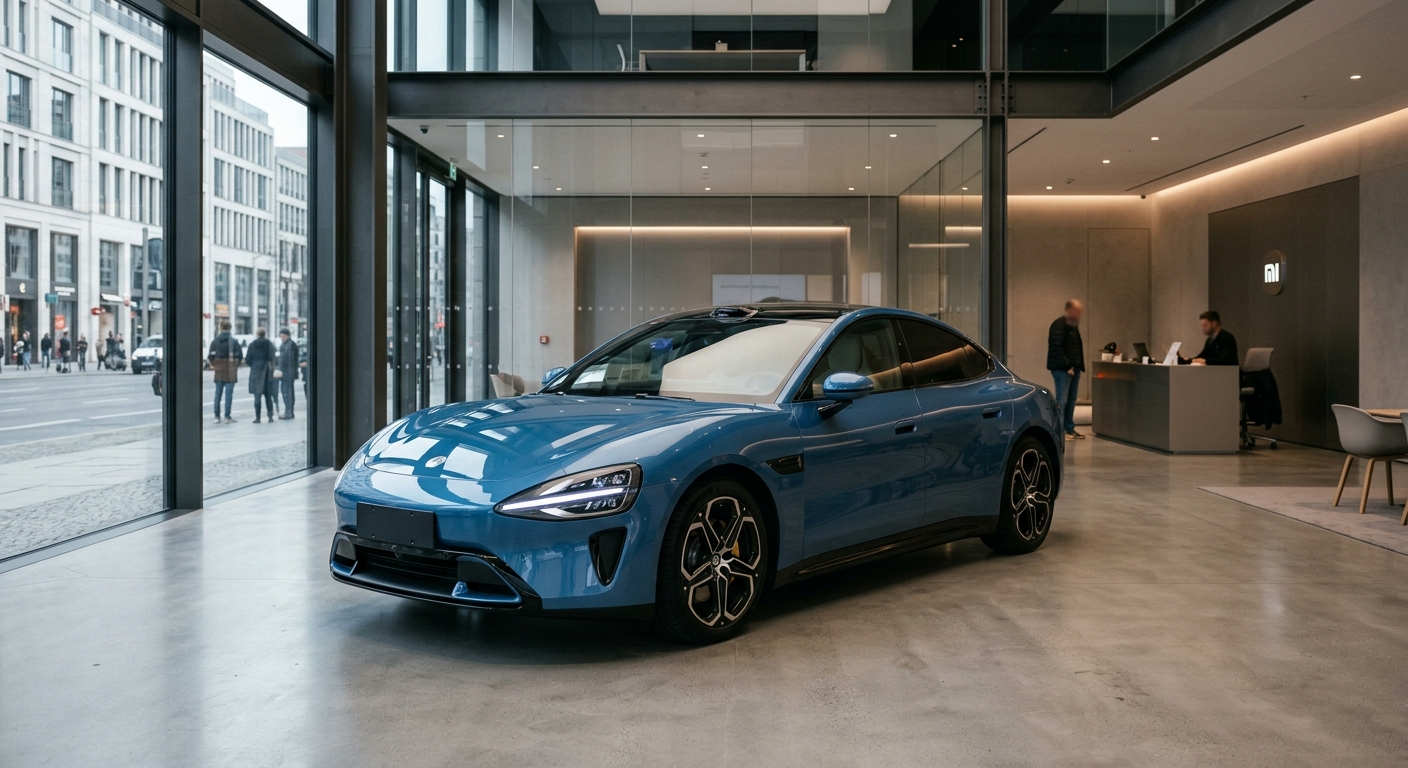
Xiaomi has rolled out a heavily updated SU7 electric sedan, turning one of China’s most attention-grabbing EVs into an even more technical proposition. The revised car officially launched on March 19, 2026, and brings standard LiDAR, a more advanced charging architecture on upper trims, and a starting price that keeps the sedan squarely aimed at value-conscious premium buyers.
Standard LiDAR moves the SU7 closer to upscale EV rivals
The biggest change is not cosmetic. Xiaomi has made LiDAR standard across the SU7 lineup, pairing it with 4D millimeter-wave radar and a unified driver-assistance computing setup. That gives the sedan a more serious sensor package than the outgoing model, where LiDAR was reserved for higher trims.
For shoppers in China, that matters because the SU7 is no longer just a fast, well-priced electric sedan with consumer-tech cachet. It now arrives with the kind of hardware stack that increasingly defines the upper end of the EV market, especially for buyers who want highway-assist capability baked in rather than added later as a trim-level luxury.
Charging and range get a meaningful step up
Xiaomi says the updated SU7 reaches up to 902 kilometers of CLTC range in its most efficient configuration, while the Standard and Pro trims move to a 752V electrical architecture and the Max variant climbs to 897V. That is a notable jump from the original car’s setup and should translate into faster replenishment when the right charger is available.
The company also says the updated body improves aerodynamics, with a drag coefficient of 0.21. Combined with the larger electrical jump, the changes suggest Xiaomi is aiming to make the SU7 feel less like a tech experiment and more like a polished long-range sedan with the sort of efficiency and charging headroom buyers expect from a mainstream flagship EV.
Xiaomi keeps the SU7 aggressively priced
The new SU7 starts at 219,900 yuan, or about $31,870 at current exchange rates, according to the launch reporting. That undercuts the pre-sales figure Xiaomi had floated earlier and keeps the sedan positioned as a direct challenge to Tesla’s Model 3 in China.
That pricing is important because Xiaomi is not trying to win on novelty alone. The SU7 has already become a volume product for the brand, and the facelifted model appears designed to protect that momentum by offering more hardware without drifting into a price band where buyers start shopping established premium EVs instead.
Why the updated SU7 matters now
The SU7’s latest revision shows how quickly Xiaomi is moving from newcomer status to serious EV contender. Instead of waiting for the market to settle, the company is using a major mid-cycle update to reset expectations around range, charging, and driver-assistance hardware.
For the segment, the message is clear: the benchmark for an entry-luxury electric sedan in China keeps rising, and Xiaomi wants the SU7 to be the car forcing that conversation rather than chasing it.
Source: CnEVPost
Date: 2026-03-19