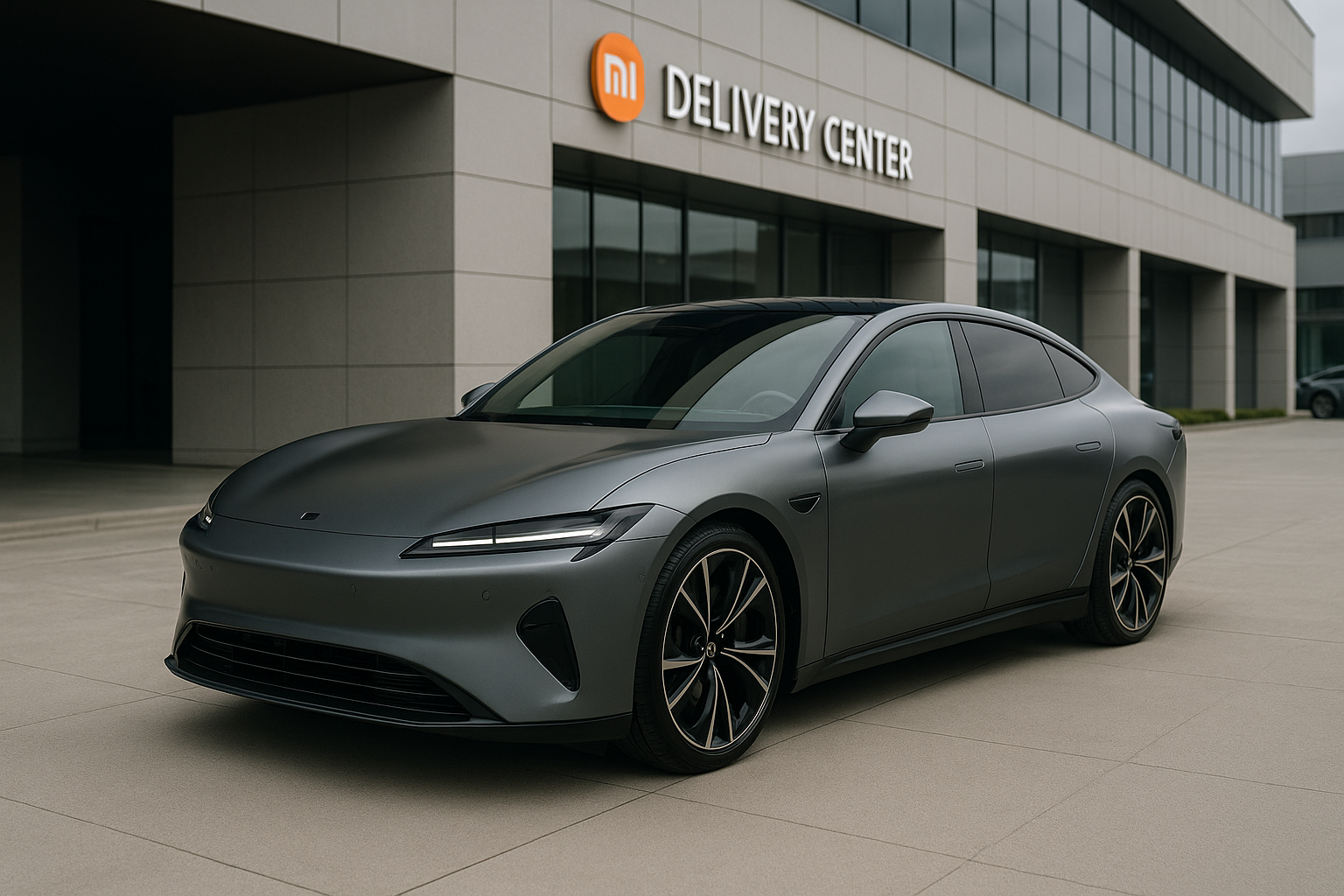
Xiaomi’s updated SU7 goes on sale with LiDAR on every trim and a sharper chassis tune
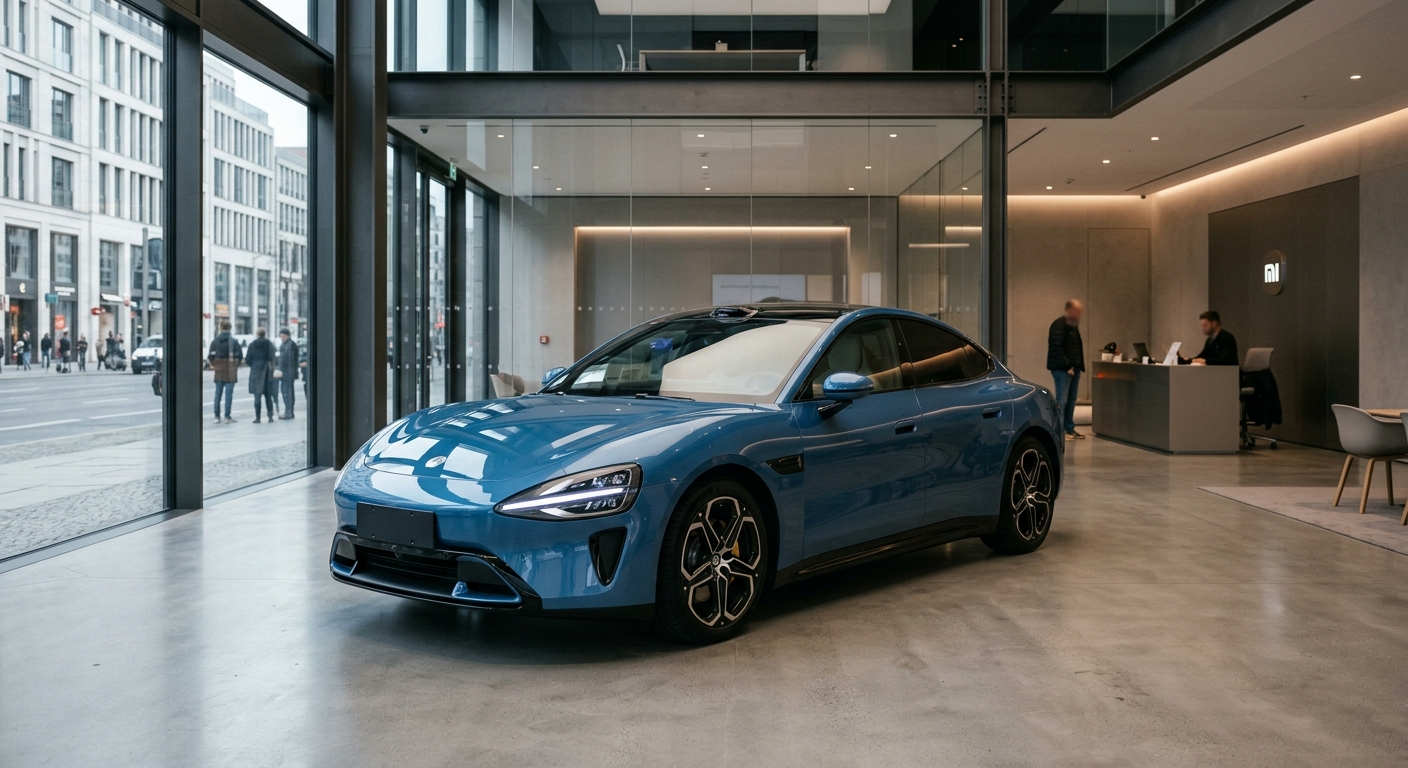
Xiaomi has moved its SU7 sedan into a new phase, launching the updated model in China with LiDAR standard across the range, fresh styling details, and a more expensive price band. The change gives the company’s breakout EV a clearer premium pitch just as it tries to keep one of China’s most watched electric sedans firmly in the spotlight.
LiDAR becomes standard on the refreshed Xiaomi SU7
The biggest hardware change is simple: every version of the updated SU7 now gets LiDAR. On the previous car, the entry model did without it, so this update closes a notable gap in the lineup and gives Xiaomi a more uniform advanced-driver-assistance package across trims.
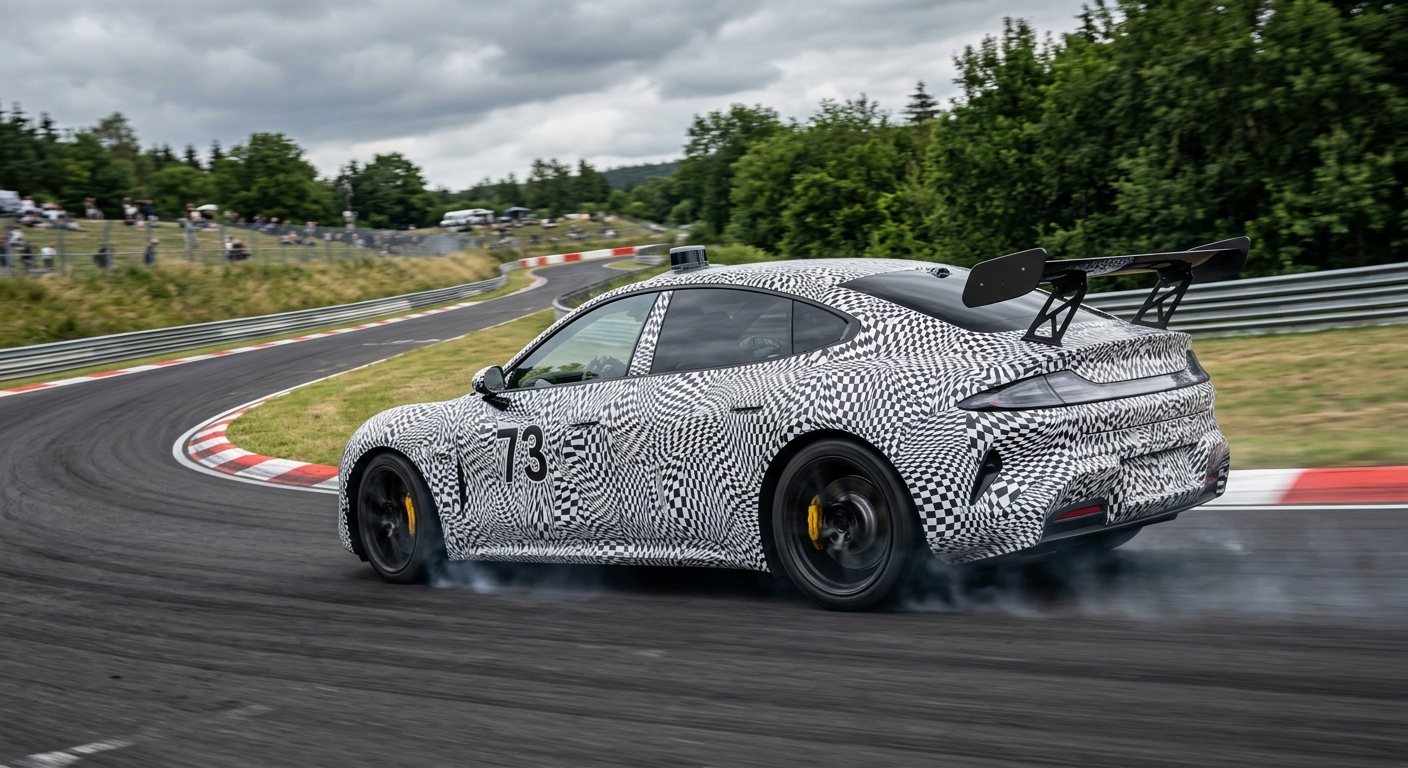
Xiaomi also says the revised sedan brings a major gain in range and a more advanced intelligent chassis. The company has not laid out every engineering detail publicly, but the broad direction is clear enough: this is a more thoroughly equipped SU7, not just a cosmetic touch-up.
Sharper bodywork, new colors, and a familiar fastback shape
Visually, the updated SU7 keeps the long, low fastback silhouette that made the original car stand out, but Xiaomi has revised the front-end treatment and added new exterior colors, wheels, and interior options. The design changes are subtle rather than radical, which is probably the right call for a sedan whose profile already does most of the talking.
The car remains a large five-seat electric sedan with a performance-leaning stance, and Xiaomi continues to position it as a driver’s car rather than a tech appliance on wheels. That balance of smartphone-era branding and conventional enthusiast appeal has helped make the SU7 one of the most closely watched Chinese EVs.
Pricing climbs as Xiaomi leans into the premium end
Pre-sale pricing for the updated SU7 was set at 229,900 yuan to 309,900 yuan, or roughly $33,000 to $44,500 at current exchange rates. That puts the refreshed car above the original model’s starting point and suggests Xiaomi is willing to ask more for the added hardware, even as it faces a crowded EV market at home.
For buyers, the update changes the value equation. The SU7 is no longer just the bargain surprise from a newcomer with smartphone roots; it is becoming a more serious mainstream performance sedan with the kind of sensor and chassis content shoppers increasingly expect in this class.
Why the new SU7 matters beyond Xiaomi’s showroom
The refreshed SU7 is important because it shows how quickly Xiaomi is iterating in automotive, where product cycles tend to move far more slowly than in consumer electronics. The company said the revised sedan would arrive in April 2026, and the update lands after the original SU7 established a major foothold in China’s EV market.
That makes the new car more than a simple facelift. It is Xiaomi’s attempt to keep momentum alive with a better-equipped sedan that can stay competitive on range, driver assistance, and perceived sophistication. In a segment where spec sheets change buying behavior fast, standard LiDAR and a more advanced chassis are not small details.
Source: CnEVPost
Date: 2026-01-07