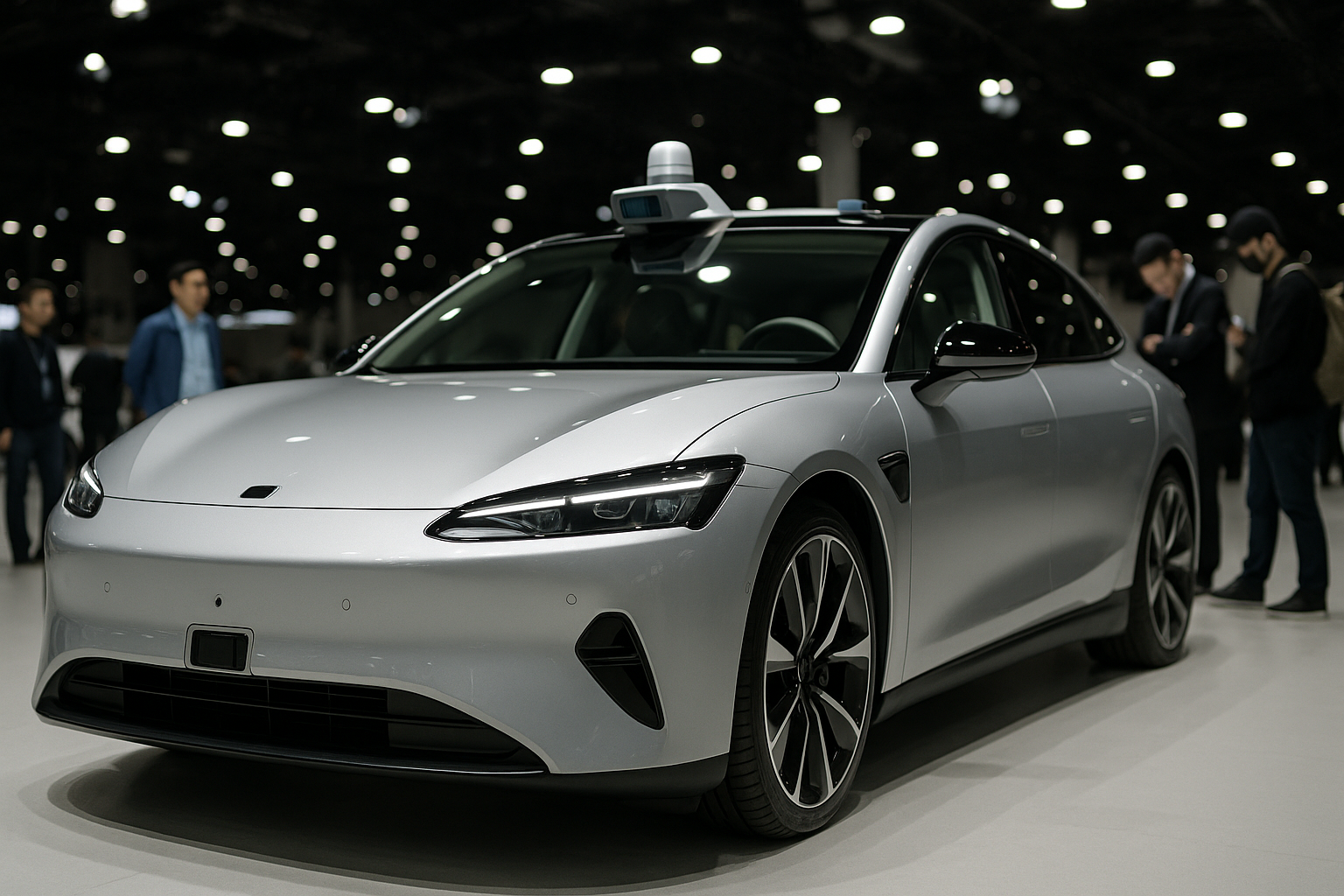
Xiaomi leans harder into assisted driving as its updated SU7 reaches the Beijing Auto Show
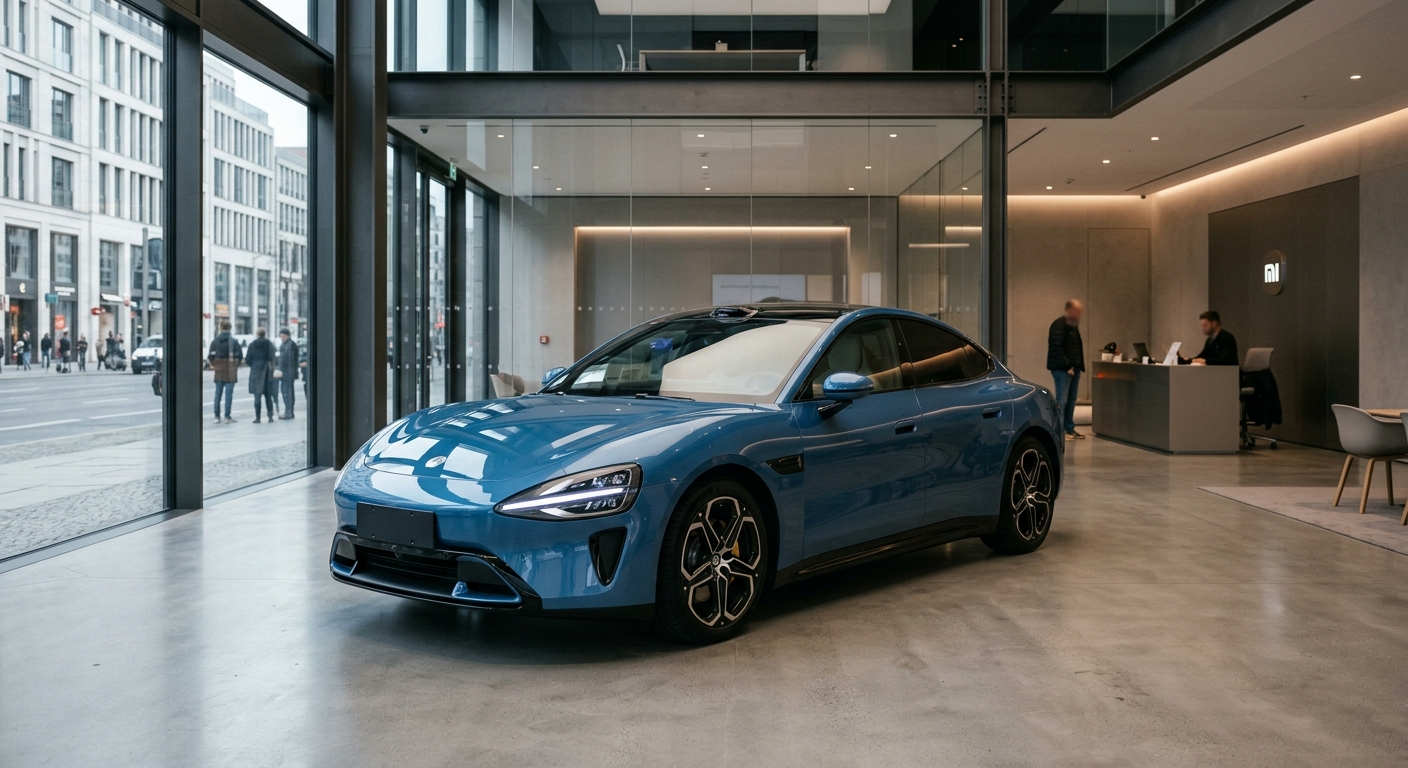
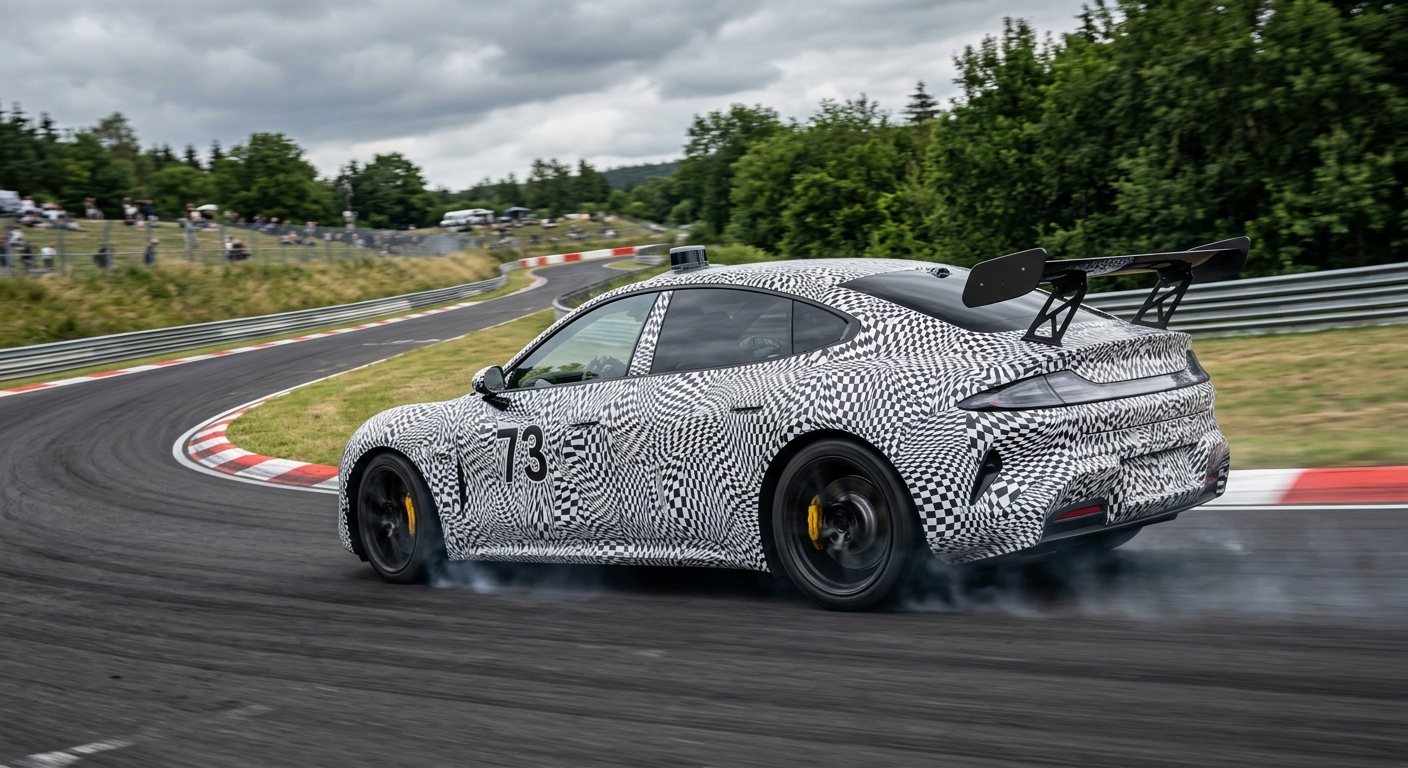
Xiaomi used the opening of the 2026 Beijing Auto Show on April 24 to put assisted driving at the center of its updated SU7 sedan, a sign the company is treating driver-assist software as a core product differentiator rather than a premium option. The refreshed model builds on Xiaomi’s in-house Xiaomi HAD system and arrives with upgraded hardware intended to handle more complex traffic scenarios.
Xiaomi folds driver-assist hardware into the SU7 lineup
According to company disclosures reported on March 18, the updated SU7 will carry LiDAR, a 700 TOPS computing platform and 4D millimeter-wave radar across the lineup, along with a new assisted-driving stack powered by Xiaomi’s XLA cognitive large language model. Xiaomi has said the system is designed to improve decision-making in denser traffic and to make the vehicle feel more controllable and humanlike.
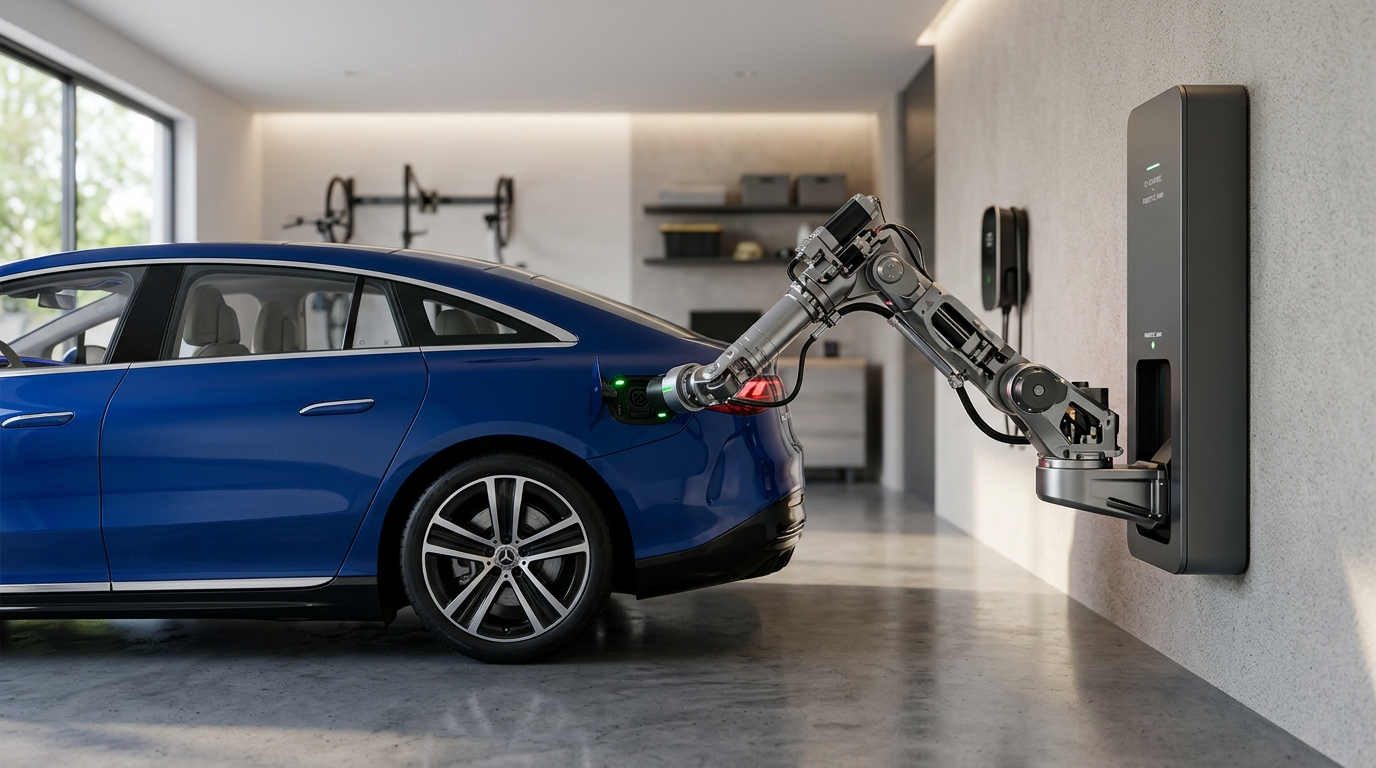
The company has also said the new SU7 brings together assisted driving and embodied robotics technology for the first time, an unusual pairing that reflects how aggressively Xiaomi is trying to unify its AI work across products. That approach was on display again in Beijing, where Xiaomi framed the car as part of a broader software-defined device strategy.
Why the April 24 showcase matters now
The timing matters because Xiaomi is no longer talking about driver assistance as a future capability. In February 2025, Xiaomi began rolling out Xiaomi HAD to eligible vehicles, and the system has already gone through multiple software upgrades, including a version trained on 10 million clips and a later enhanced release that added reinforcement learning and world models. The refreshed SU7 now packages that work into a new production model that is scheduled to reach customers after its March pre-sale phase.
That makes the Beijing Auto Show appearance more than a product showcase. It is a public demonstration that Xiaomi wants assisted driving to function as a selling point with commercial weight, especially as Chinese automakers race to differentiate through AI-enabled cockpit and driving systems. For Xiaomi, the relevant test is no longer whether the technology exists, but whether it can be turned into a reliable, mass-market feature that helps the company compete in a crowded EV market.
Source: Malay Mail / Reuters
Date: 2026-04-24T17:50:00+08:00