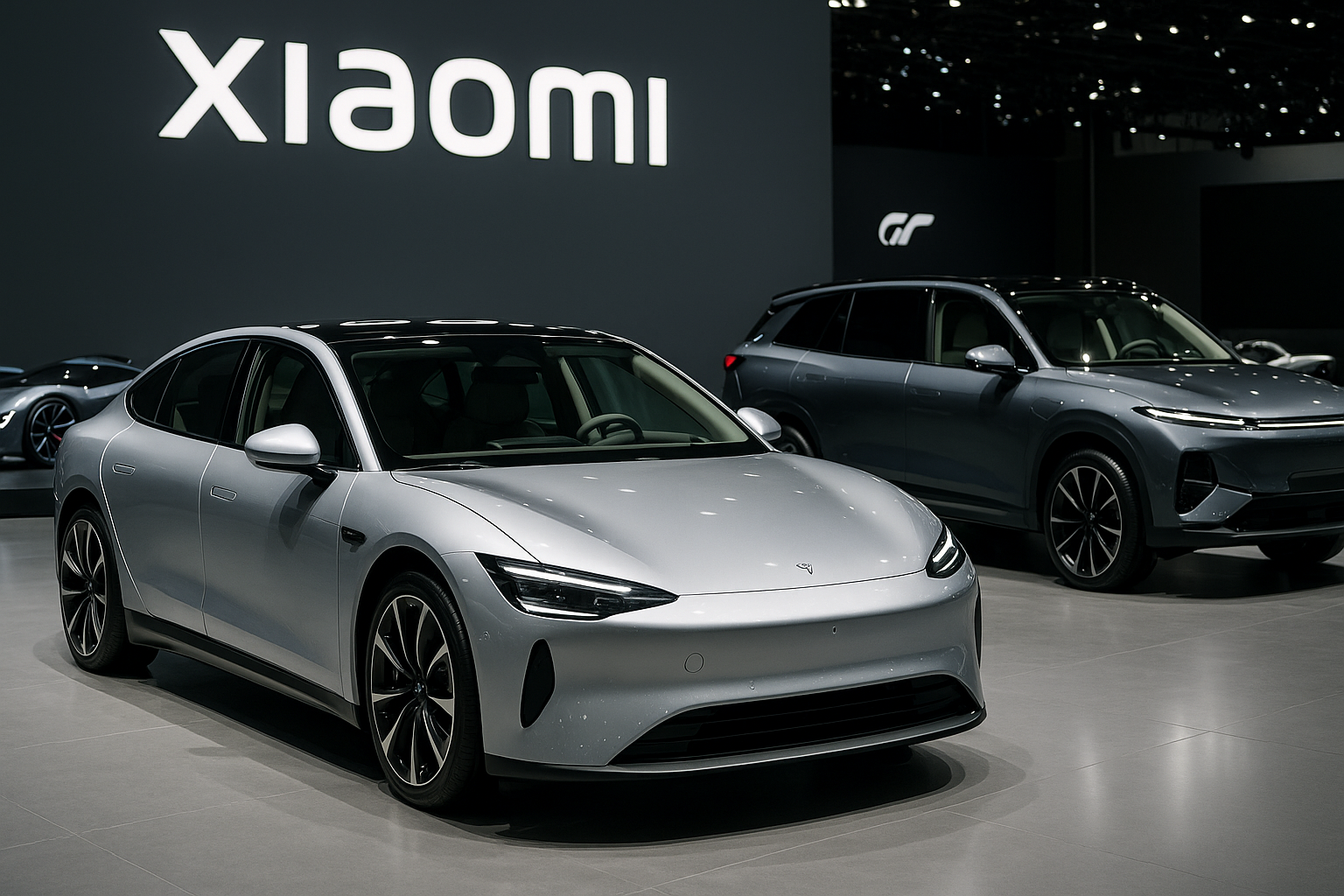
Xiaomi Brings the SU7, YU7, and VGT Concept to Beijing as Its EV Push Enters a Bigger Public Stage
Xiaomi is heading into the 2026 Beijing auto show with more than a single headline car. The company says it will display the SU7 series, the YU7, and its Vision Gran Turismo concept at the show, giving its fast-growing EV business a bigger public stage in front of one of the industry’s most closely watched events.
Xiaomi turns the SU7 into a full model family
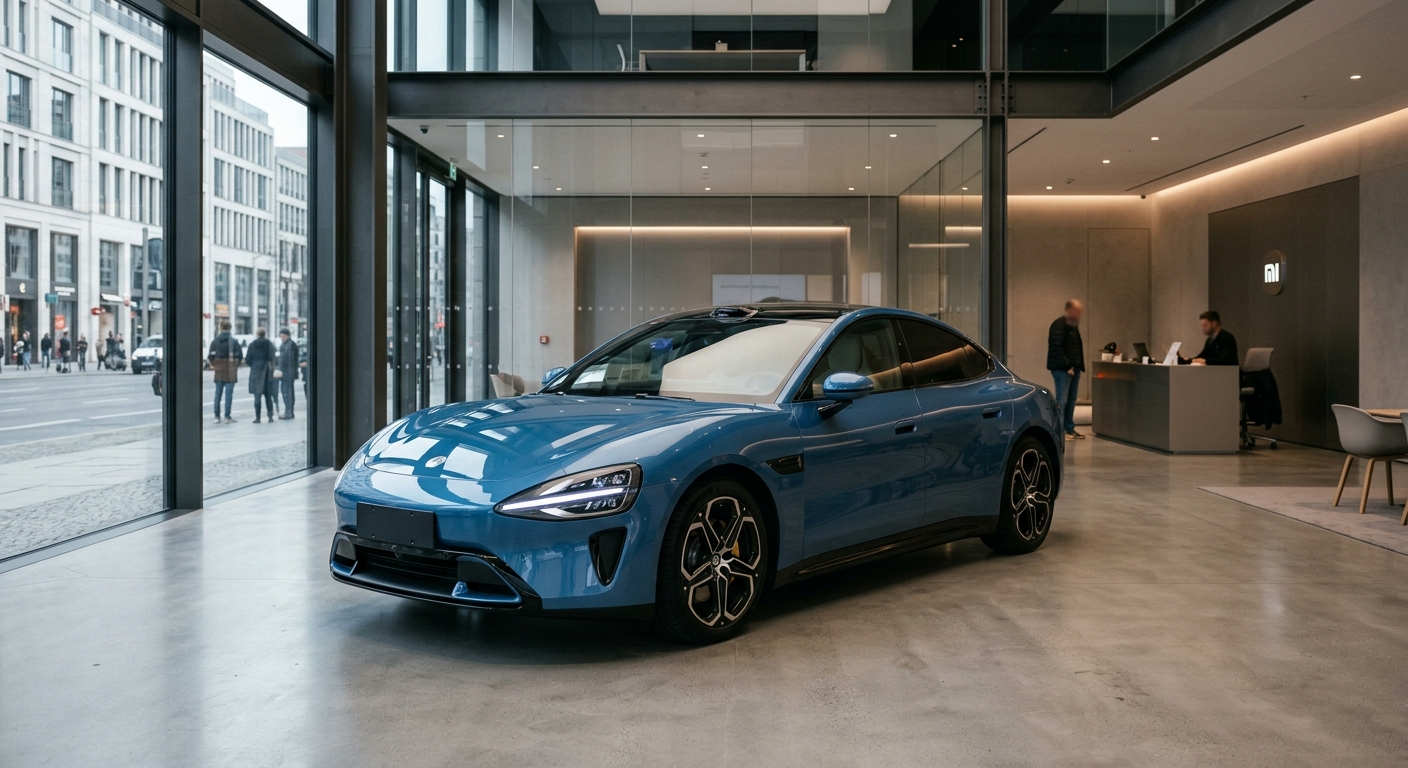
The SU7 remains the car that established Xiaomi as a legitimate electric-vehicle player rather than a novelty act from a consumer-electronics brand. Showing the broader SU7 series at Beijing suggests the sedan is now being presented less as a launch story and more as a proper lineup, with Xiaomi treating it as the core of its passenger-car business.
That matters because the SU7 has been the company’s credibility test: a low-slung electric sedan aimed squarely at China’s crowded performance-luxury end of the market, where styling, chassis tuning, and software all have to land at once. Bringing the car back to a major show lets Xiaomi reinforce that the model line is still central even as the company widens its EV portfolio.
The YU7 gives Xiaomi a second shape, not just a second badge
Alongside the sedan, Xiaomi is also showing the YU7, the SUV that extends the brand into the body style that drives a huge share of EV demand in China and beyond. The move broadens Xiaomi’s pitch from a single eye-catching four-door to a more practical format that should appeal to buyers who want the same tech-forward branding in a more useful package.
For shoppers, that matters more than corporate scale. A sedan-only lineup can build excitement, but an SUV can build volume, and the YU7 gives Xiaomi a chance to translate its software-heavy image into a format many customers will actually cross-shop against established premium electric SUVs.
The VGT concept adds design theater to the engineering message
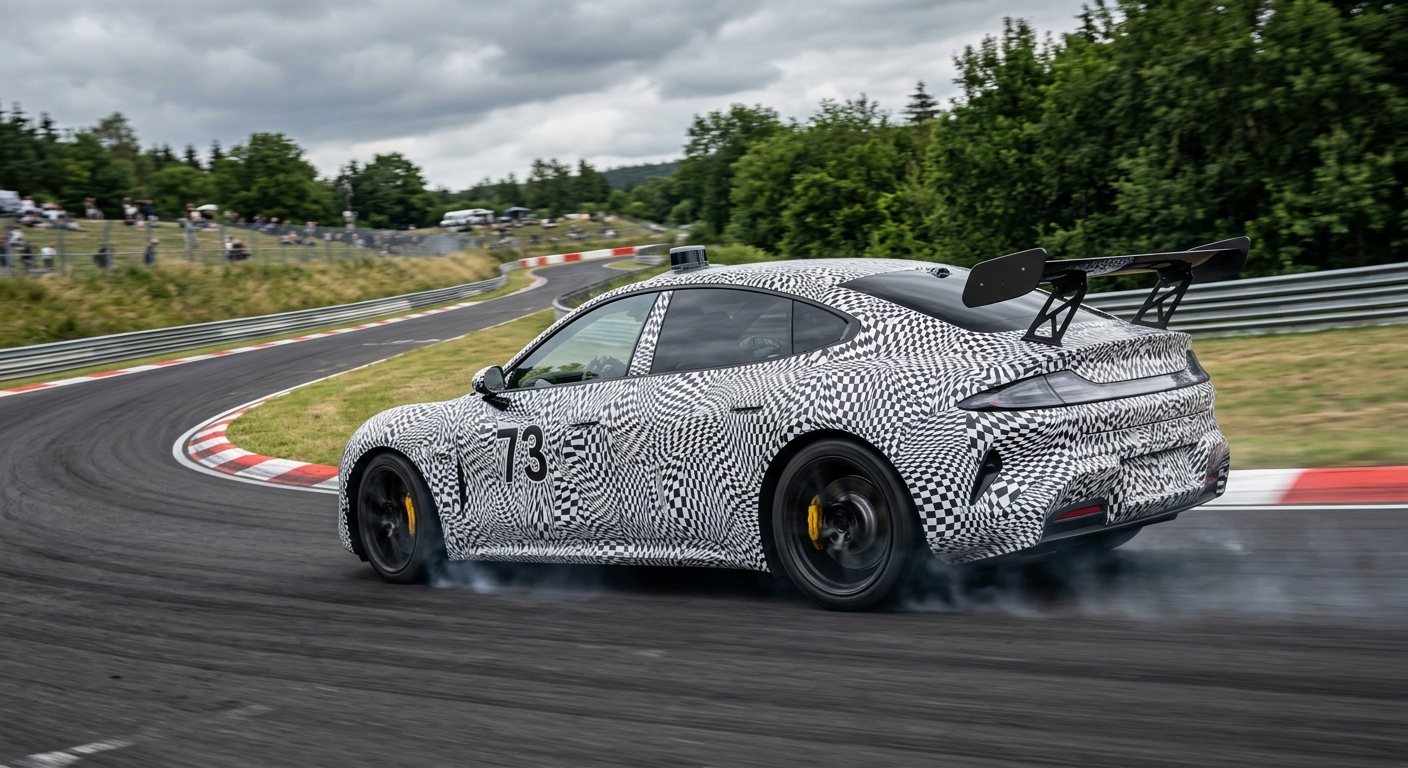
Xiaomi is also bringing the Vision Gran Turismo concept to Beijing, a reminder that the company still wants to be seen as a design and performance brand, not just a high-volume EV assembler. Concepts like this rarely tell buyers what a production car will cost or when it will arrive, but they do reveal how a company wants its technical identity to read in public.
That helps Xiaomi in a market where EV brands are fighting for attention as much as sales. A concept-car spotlight gives the booth more than utility; it gives the lineup a halo and lets Xiaomi present itself as a company with aspirations beyond the next delivery quarter.
Why this Beijing appearance matters now
The timing is the real story. Beijing is one of the biggest stages in the global auto calendar, and Xiaomi is using it to show that its EV program has moved beyond a single breakout model into a more rounded product story. For drivers and enthusiasts, the display is a sign that Xiaomi wants to be judged on design, hardware, and lineup depth, not just on the novelty of a tech company making cars.
That is the kind of evolution that matters in the long run. If Xiaomi can keep turning showroom attention into tangible product momentum, the SU7 and YU7 may end up defining the company’s automotive identity long before any future export plan does.
Source: Internet Info Agency / English News18A
Date: 2026-04-22