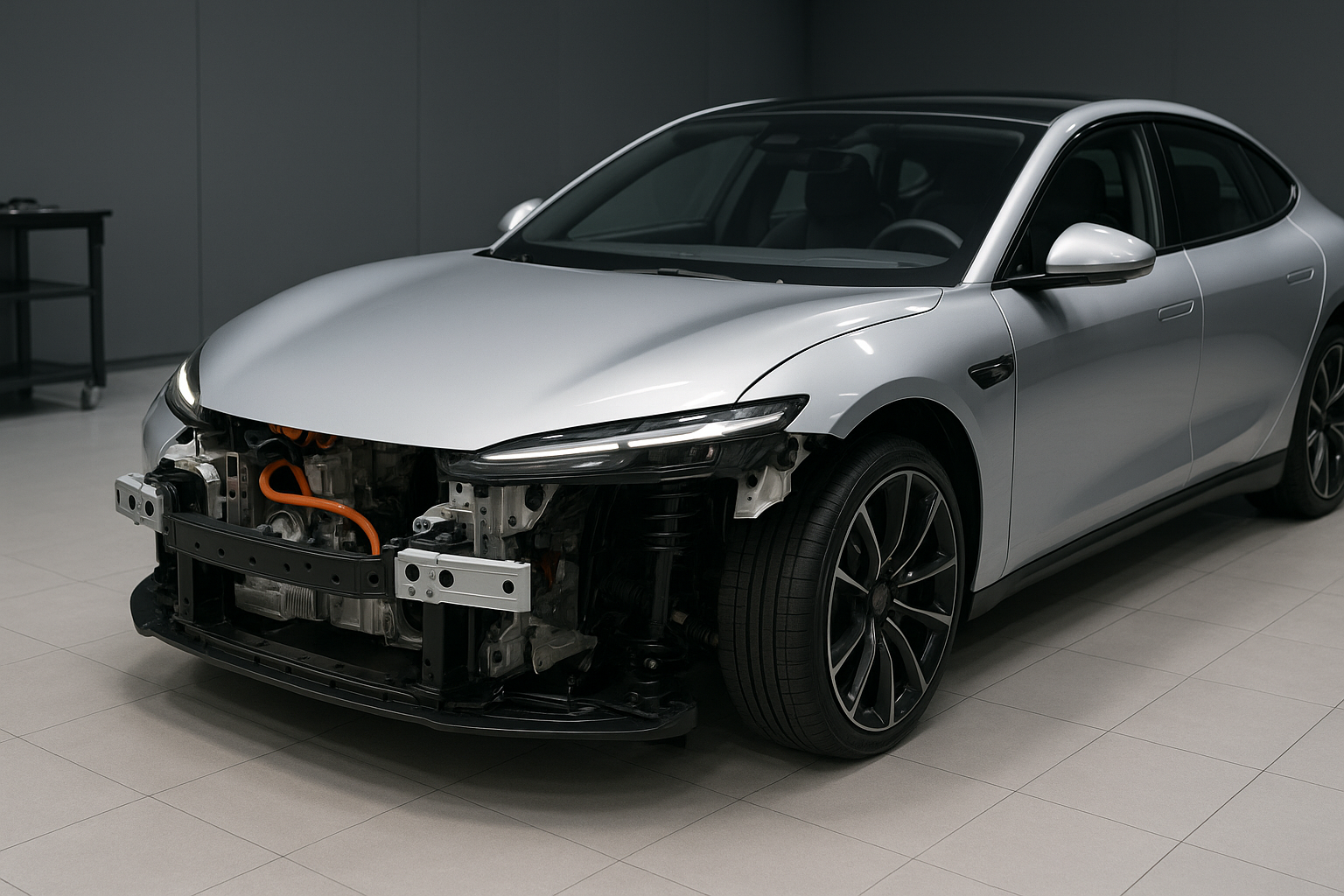
Xiaomi’s updated SU7 gets a full teardown as the electric sedan’s 2026 refresh moves into the spotlight
Xiaomi has pushed its updated SU7 sedan back into the center of the EV conversation with an unusual move: a live teardown hosted by CEO Lei Jun. The stream, held on April 2, 2026, was designed to show the car’s engineering in close detail and to keep attention on the refreshed model as Xiaomi continues to ramp its automotive business in China.
Lei Jun turns the SU7 into a hardware lesson
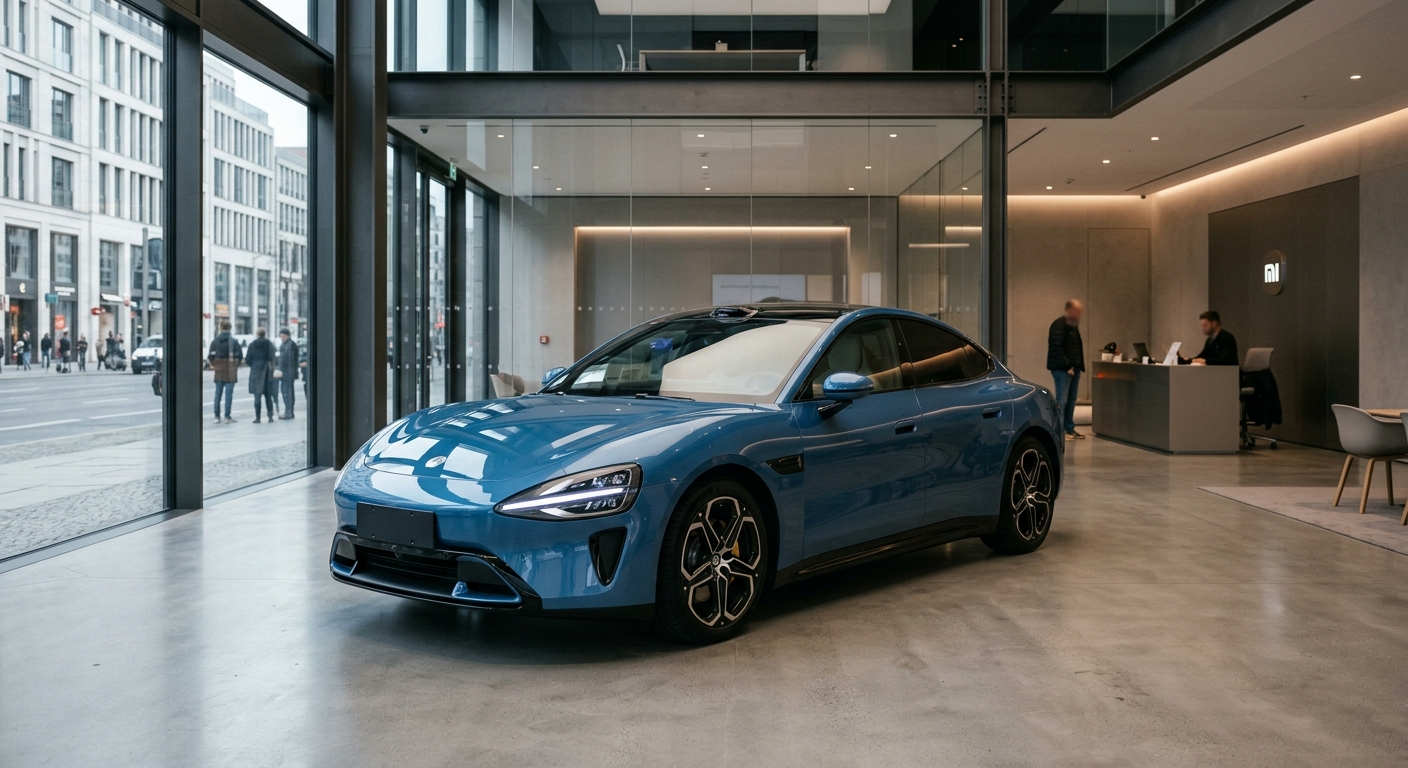
The teardown arrived just weeks after Xiaomi opened orders for the updated SU7, a sign that the company is treating the sedan less like a routine facelift and more like a showcase product. The live format gave Xiaomi a chance to frame the car around tangible hardware rather than marketing language, a smart move for a brand still building credibility in a market where buyers care deeply about battery tech, charging architecture, and chassis tuning.
For a first-generation EV nameplate, that kind of visibility matters. Xiaomi is still proving that it can sustain momentum beyond launch hype, and the SU7 remains the company’s most important vehicle by volume and image. A teardown lets the brand highlight the components underneath the bodywork at the same time it tries to keep the sedan fresh in the eyes of shoppers who may already be comparing it with faster-moving rivals from established Chinese EV makers.
The refreshed sedan is meant to stay ahead of the pack
The 2026 SU7 is not being presented as an all-new model, but as an upgraded version with enough change to justify renewed attention. Coverage around the refresh has pointed to higher-spec hardware, including a more advanced lighting and driver-assistance package on the updated car, along with continued emphasis on fast-charging capability and long-range performance. Xiaomi has also been positioning the car for a quick market response rather than a long, drawn-out relaunch cycle.
That matters because the SU7 competes in one of the world’s hardest-fought electric-sedan segments, where buyers expect speed, software depth, and meaningful range, not just a recognizable badge. Xiaomi’s strategy has been to make the car feel like a consumer-electronics product translated into automotive form, with rapid software and hardware iteration used to keep the nameplate relevant.
Delivery scale is now part of the story
The teardown also lands against a backdrop of accelerating output. Xiaomi reported more than 20,000 vehicle deliveries in March 2026, a sign that the company’s automotive operation is moving beyond novelty into scale production. The SU7 remains central to that effort, and the updated model is now part of Xiaomi’s attempt to keep demand strong while production catches up with the brand’s pace of launches and revisions.
That production rhythm is important for shoppers, too. In a segment where order queues and spec changes can shift quickly, the refreshed SU7 is a reminder that Xiaomi is already operating like a mainstream EV manufacturer rather than a startup experiment. The next question is whether the company can sustain that pace while keeping the sedan’s hardware edge sharp enough to justify its place at the top of the lineup.
Source: Gizmochina
Date: 2026-04-01T00:00:00Z