Xiaomi cancels SU7 Ultra power cap after backlash over track-mode limits
Xiaomi has withdrawn a software change that would have restricted full power on the SU7 Ultra unless drivers completed qualifying laps on approved tracks, ending a brief rollout that quickly drew criticism from owners. The reversal matters because it touches the core promise of the car: a 1,548 PS performance EV marketed around maximum output and track capability.
Xiaomi pulls back the SU7 Ultra restriction
The company’s update had introduced a qualifying-style unlock for the SU7 Ultra’s full performance, effectively capping horsepower for drivers who had not met the new track requirements. Xiaomi later said the change was only pushed to a small group of test users and was withdrawn, halting further rollout.
That makes the incident less about a full product redesign than about how aggressively the company can use software to control access to a car’s peak performance after sale. Even so, the backlash showed how sensitive premium EV buyers are to post-purchase changes that affect advertised capability.
Why the software change landed badly
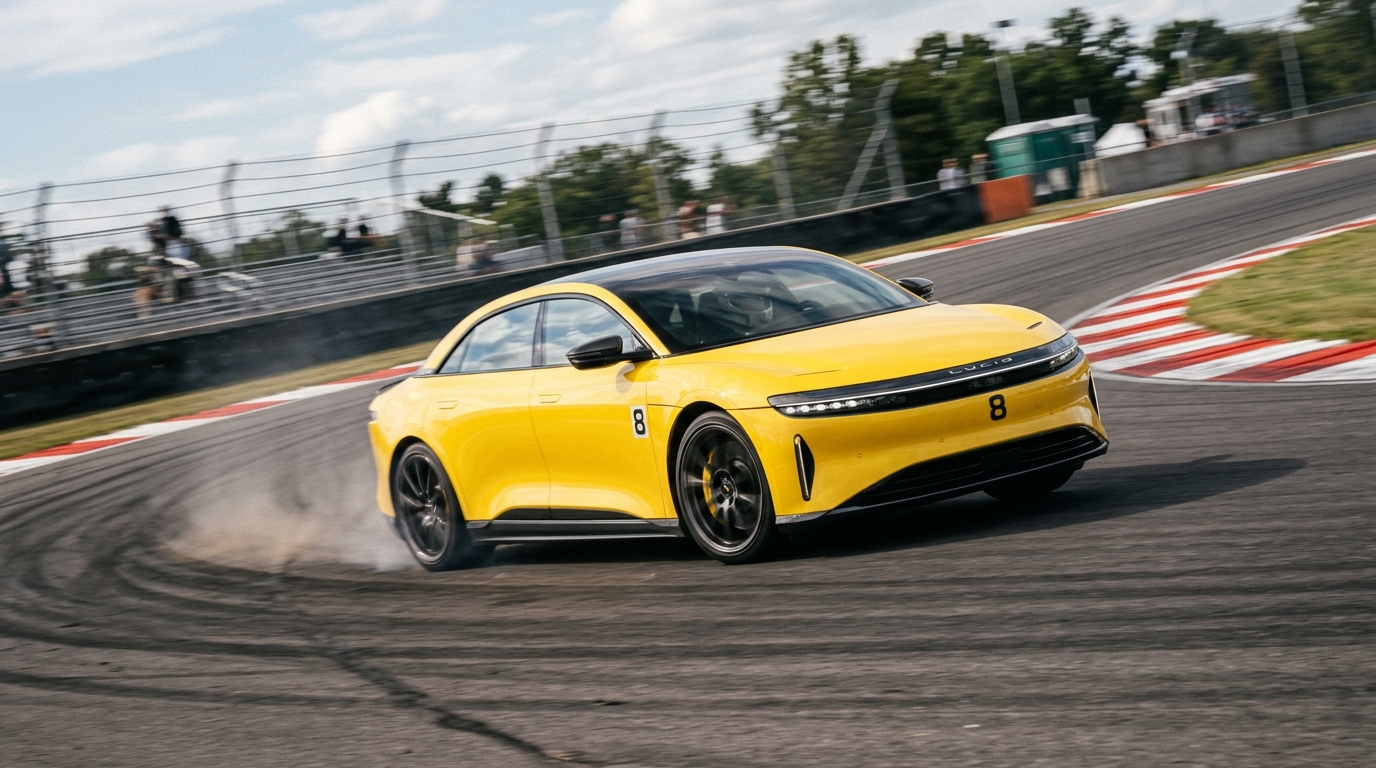
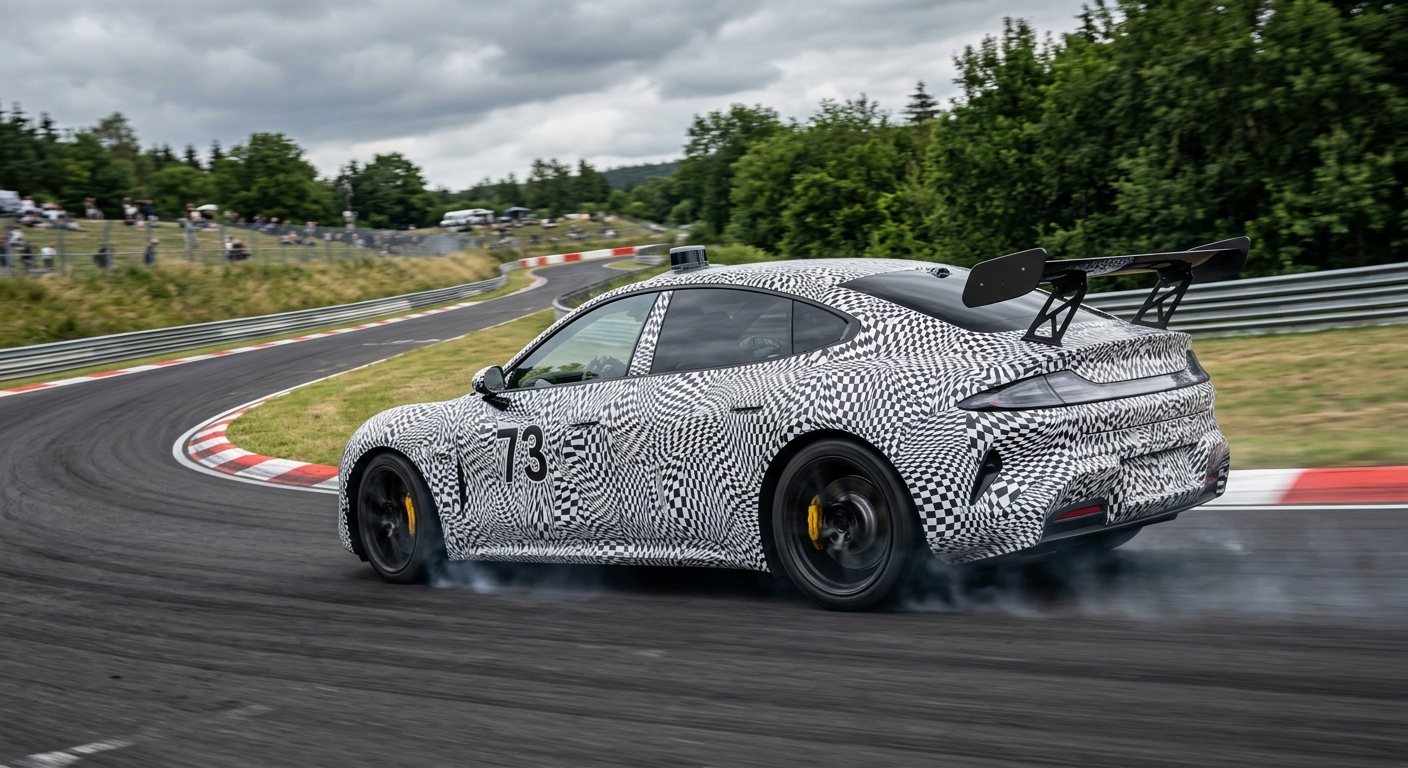
The SU7 Ultra sits at the top of Xiaomi’s EV lineup and is sold as a high-performance model, with triple-motor output, launch-focused acceleration, and track-oriented hardware. Limiting full power behind an on-track verification step changed the ownership experience in a way that many buyers saw as inconsistent with the car’s positioning.
Xiaomi framed the restriction as a safety measure, pointing to concerns about reckless street use of extreme-performance cars. But in practical terms, the update would have shifted control over peak output from the driver to the manufacturer, at least until the qualifying condition was met.
What the reversal says about Xiaomi’s EV software playbook
The retreat suggests Xiaomi is still testing how far it can go in using over-the-air software to shape driving behavior without alienating customers. For an automaker trying to build credibility in a crowded Chinese EV market, that balance is now part of the product itself.
It also highlights a broader operational issue for software-defined cars: performance, safety, and customer expectations can collide after launch, especially when updates affect the feature most closely tied to a halo model’s value proposition.
Source: AutoTimes
Date: 2026-02-17